Death Cab holds the AAA summit. Resident Advisor turns 25. ARC Music Festival takes Chicago. Anastazja lights up Flash in D.C. And XPoNential brings the whole scene to the Camden Waterfront. Every story, every beat, right here.
The Global Dance Floor
Is Wide Open Tonight
Death Cab holds the AAA summit. Resident Advisor turns 25. ARC Music Festival takes Chicago. Anastazja lights up Flash in D.C. And XPoNential brings the whole scene to the Camden Waterfront. Every story, every beat, right here.
Club Night on JamFest: Where Saturday Nights Turn Electric
Every Saturday night at 10 PM Eastern Standard Time, Club Night on JamFest takes the signal somewhere that no other broadcast in the region goes. DJ sets from the studio, remixes built for the floor, every corner of EDM and electronic music, and the freshest sounds from the world’s greatest music festivals delivered in a four-hour uninterrupted run that does not slow down until 2 AM. And when the clock passes 2 AM, the night does not stop. Sunday Spunday picks up the energy and carries it all the way through Sunday morning until approximately 9 AM EST, because the music always has more to say if you are willing to stay and listen. This is the home of global dance culture on JamFest Radio, and tonight there is a great deal of world-class dance music to talk about.
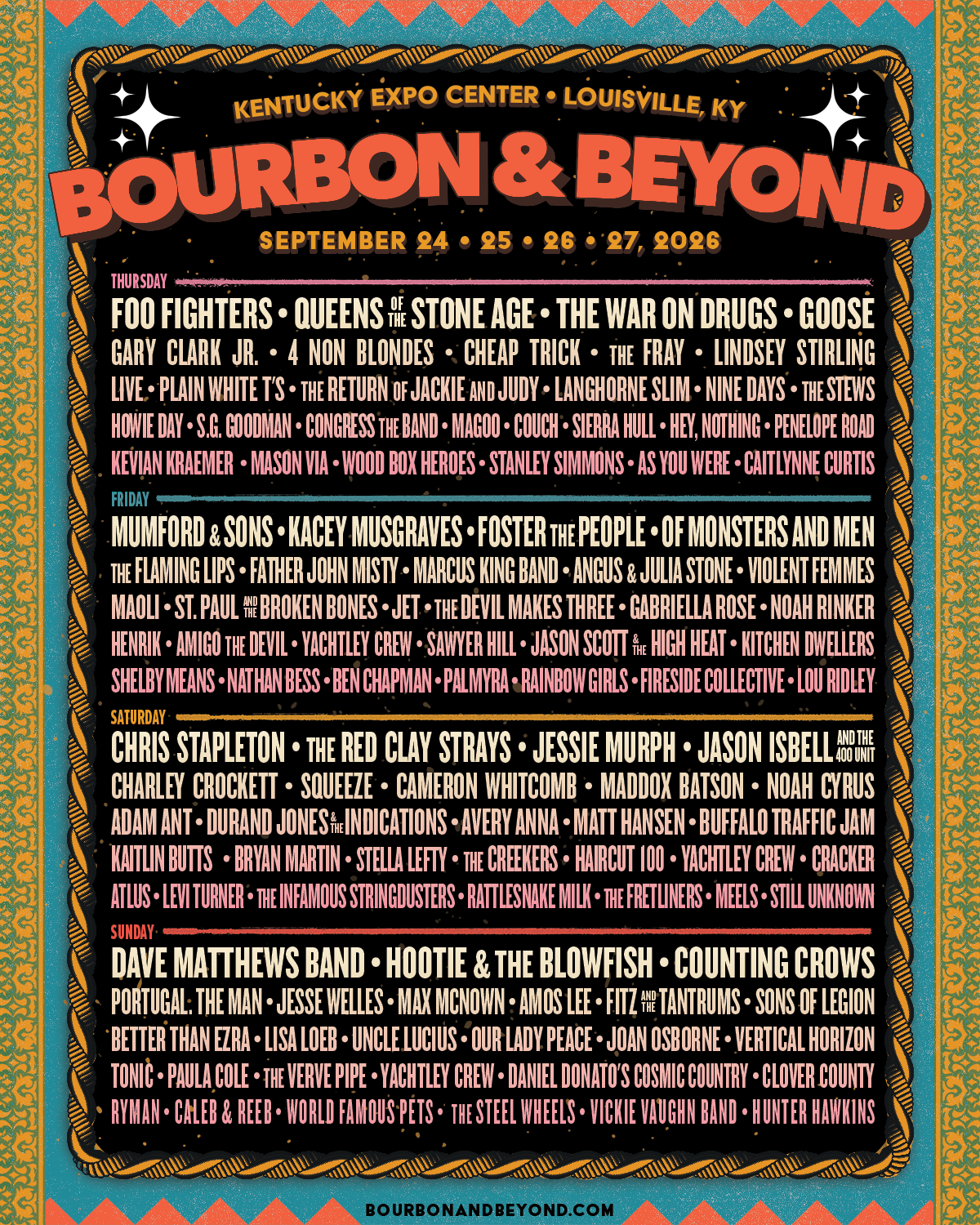
Death Cab Holds the Summit, Mumford and Stapleton Storm the Top 10

Death Cab for Cutie — “Riptides”
The Seattle indie veterans hold the top position on the national Adult Album Alternative chart this week, a placement that reflects both the quality and the staying power of “Riptides,” a track that arrived with the kind of quiet confidence that Ben Gibbard has been delivering for twenty-five years.

Mumford & Sons feat. Chris Stapleton — “Here”
The collaboration between British folk-rock institution Mumford and Sons and Kentucky country soul legend Chris Stapleton has officially entered the AAA Top 10, a convergence of two of the most beloved voices in roots-adjacent mainstream music producing a track that earns its chart position through genuine emotional weight.
The AAA chart this week tells a familiar but satisfying story about what adult alternative radio listeners want from the format: artists with something real to say, delivered with craft and emotional directness rather than manufactured urgency. Death Cab for Cutie at number one with “Riptides” is a band that has never chased a chart position in their lives, which is precisely why their sustained presence at the top of this format feels earned rather than managed. Ben Gibbard’s songwriting has always operated from a specific emotional register, quiet and precise and deeply felt, and “Riptides” continues that tradition with a track that rewards the kind of close listening that AAA audiences bring to the music they love.
The Mumford and Sons and Chris Stapleton collaboration “Here” entering the Top 10 is a different kind of chart story. Marcus Mumford and his bandmates built their reputation on acoustic urgency and communal energy, music that felt like it was being made at the edge of something important and needed to be heard immediately. Chris Stapleton brings to the collaboration a voice that contains fifty years of American soul and country tradition in its grain, a sound so fully developed and so emotionally specific that it operates at a register most singers can only approximate. Together they have produced a track that earns every position it climbs.
Resident Advisor Turns 25 and Sends the Celebration Around the World
Resident Advisor began as a small online listing service for electronic music events in Australia in 2001, and in the twenty-five years since it has become the most trusted and most widely read publication in global dance music culture. It has documented the rise of Berlin as the world’s techno capital, the global expansion of house music out of Chicago and Detroit and into clubs on every inhabited continent, the emergence of grime and drum and bass and dubstep and the hundred subgenres that have grown from and around them, and the ongoing conversation between underground dance culture and the mainstream that has defined so much of what popular music has become in the twenty-first century. Twenty-five years of that documentation adds up to an archive that is genuinely irreplaceable, a record of a global culture that would otherwise exist only in the memories of the people who were in the rooms when the music happened.
To mark the anniversary, Resident Advisor has officially announced RA25, a project spanning the remainder of 2026 that reflects the scale and the ambition of what the publication has built. The centerpiece is a ten-date world tour launching in London on September 25th and hitting key clubbing hubs on five continents, a live celebration of the global electronic music community that RA has documented and supported throughout its existence. The cities and venues involved represent a cross-section of what underground dance culture looks like around the world right now, from the basement clubs of London and Berlin to spaces in Asia, South America, and North America that have developed their own distinct local scenes within the broader global conversation.
Alongside the tour, RA25 includes the release of a limited-edition book through Velocity Press titled Front Left: 25 Years of Electronic Music From the Future, which anthologizes a quarter-century of underground club journalism into a physical document that honors the writing and the culture it covered. Front Left is the position in a club where the sound system hits hardest, where the bass frequencies are most physical, where the dancers who are most committed to the music tend to gather. Naming the anthology after that position is an act of specificity that speaks to what Resident Advisor has always understood about dance music: that it is a physical experience first and a cultural experience second, and that the journalism that does it justice has to start from the floor and work outward rather than the other way around.
For Club Night and Sunday Spunday on JamFest, the RA25 project is both a validation and a provocation. A validation because the global electronic music culture that Resident Advisor has documented for twenty-five years is exactly the culture our Saturday night broadcast exists to celebrate and carry forward. A provocation because the ambition of a ten-city world tour and a definitive anthology publication raises the question of what it means to take dance music seriously as culture, as journalism, as history, and as community, and that is a question we ask ourselves every week when we build the playlist for Club Night.
- World tour: 10 dates, launching London September 25, 2026
- Reach: Five continents, key global clubbing hubs
- Book: Front Left: 25 Years of Electronic Music From the Future
- Publisher: Velocity Press
- Resident Advisor founded: 2001, Australia
ARC Music Festival Takes Over Chicago’s Union Park with Four Days of Pure House and Techno

Chicago invented house music. That is not a promotional claim or a regional boast. It is a historical fact with a specific geography: the Warehouse on South Jefferson Street, where Frankie Knuckles played through the late 1970s and early 1980s, is the room where the specific combination of disco’s rhythmic foundation, electronic production, and the specific social conditions of Black queer Chicago nightlife produced a sound that changed popular music permanently and globally. Every electronic music festival anywhere in the world is, in some meaningful sense, a descendant of what happened in that room on those nights. ARC Music Festival, held at Union Park in Chicago, is the direct heir to that tradition, a gathering that takes place in the city where the music was born and that draws the most significant practitioners of the global house and techno world to pay their respects to the origin while pushing the sound forward.
The four-day schedule at Union Park this year is built around the back-to-back format that has become the signature programming choice for the most sophisticated electronic music events, pairing artists whose individual bodies of work are already substantial into collaborative configurations that produce something neither could produce alone. Sara Landry brings her propulsive, industrial-influenced techno to a crowd that has followed her ascent from Texas club culture to global stages with the specific devotion that the electronic music community reserves for artists who develop their sound from a genuine place rather than a calculated one. Chase and Status, the drum and bass production duo whose career has moved between underground credibility and mainstream recognition for two decades, demonstrate again why their understanding of rhythm and sound design has made them one of the most enduring acts in British electronic music. Joy Orbison and Ben UFO, two of the most respected selectors in the global DJ community, pair in a back-to-back that places two musicians with deeply complementary sensibilities and complementary record collections in a single booth for an extended set that rewards every hour of attention the audience brings to it.
The closing slate honors Chicago’s specific contribution to the history of this music in the most direct way available: Derrick Carter, one of the city’s defining house music figures and a DJ whose sets represent an unbroken connection to the tradition that the Warehouse began, closes the festival alongside Vintage Culture in a back-to-back configuration that places Chicago’s history in dialogue with the contemporary global sound that history produced. Anyma and Mochakk and Underworld fill out a lineup that gives the full four days the variety and depth that a festival of this scale and ambition requires.
Sara Landry · Chase & Status · Joy Orbison B2B Ben UFO · Anyma · Mochakk · Underworld · Derrick Carter · Vintage Culture B2B
For Club Night and Sunday Spunday, ARC Music Festival is the weekend’s anchor event in the electronic music world. The music coming off those Union Park stages will be the music the global dance community is talking about on Monday morning, and we will be playing the artists and the sounds that define it throughout tonight’s broadcast.
Anastazja Headlines Flash in Washington D.C. and Every Ear in the Underground Is Paying Attention
There is a moment in the development of every DJ who eventually becomes genuinely important when the underground stops being a context and becomes an identity, when the music they are selecting stops being a reflection of what is happening around them and starts being a statement about what they believe the dance floor should feel like and what it should do to the people standing on it. Anastazja reached that moment some time ago, and the consequence is a selector whose sets carry a conviction and a purposefulness that the most attentive electronic music listeners recognize immediately as the real thing.
Her Boiler Room appearances, which function in the contemporary electronic music world as something close to a formal audition for the global underground’s attention, generated the kind of viral response that reflects genuine quality rather than manufactured excitement. The Rinse FM features that followed confirmed what those sets demonstrated: a DJ with a sophisticated and genuinely personal understanding of how to build a set across multiple hours, how to move between deep house and UK drum-based rhythms and Brazilian funk without losing the thread of what the set is trying to say, and how to read a room and a moment well enough to know exactly when to push forward and when to let a groove develop at its own pace.
Flash in Washington D.C. is the appropriate room for this booking. Among the capital’s club venues, Flash has built a reputation as the space most committed to the underground values that Anastazja’s music represents: sound quality that serves the music rather than overwhelming it, programming that treats its audience as people capable of sustained and sophisticated listening, and a physical environment designed to make the DJ-to-dancer relationship feel direct and personal rather than mediated by the apparatus of a large-scale production. When a selector of Anastazja’s caliber plays a room of Flash’s integrity, the results tend to be the kind of nights that become reference points for the local community.
The September 11 date falls the Friday before the weekend begins in earnest for Club Night and Sunday Spunday, making it a perfect warm-up for the broader electronic music conversation that our Saturday night broadcast carries forward. If you are in the D.C. area and you want to understand in person what we are talking about when we play this music on JamFest Radio, Flash on September 11 is the room to be in.
- Date: Friday, September 11, 2026
- Venue: Flash, Washington D.C.
- Sound: Deep house, UK drum-based rhythms, Brazilian funk
- Known for: Viral Boiler Room sets, Rinse FM features
XPoNential Music Festival Returns to the Camden Waterfront with Three Days of the Real Thing
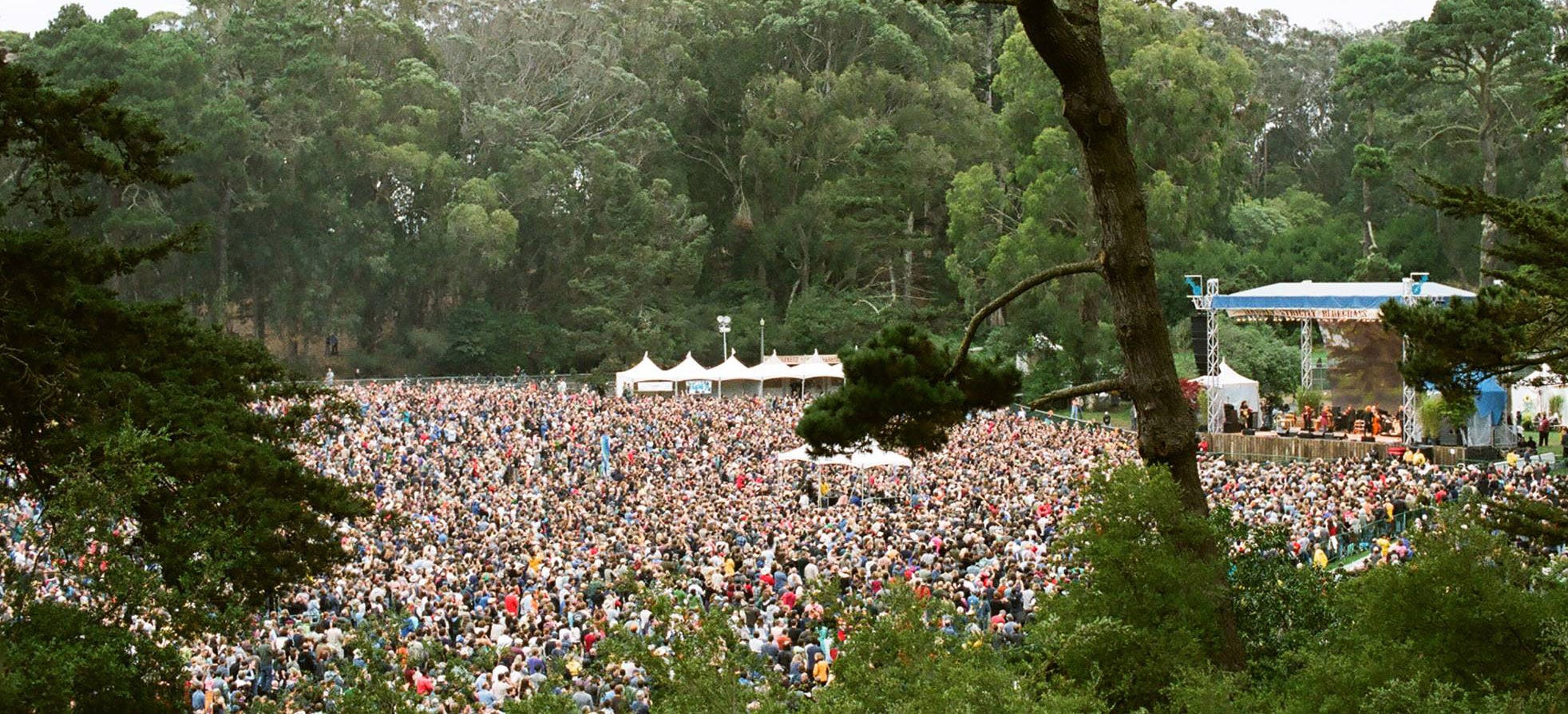
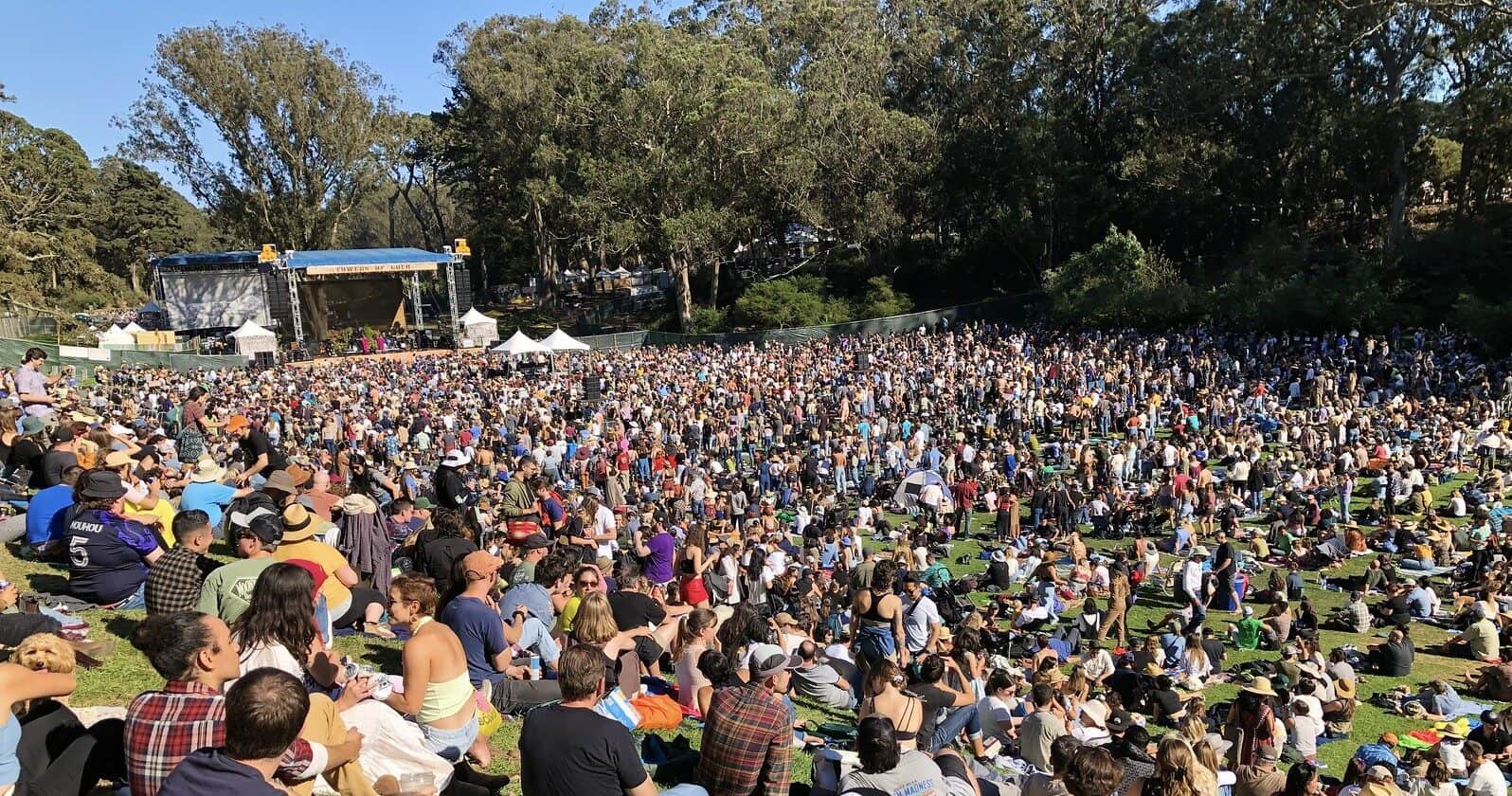
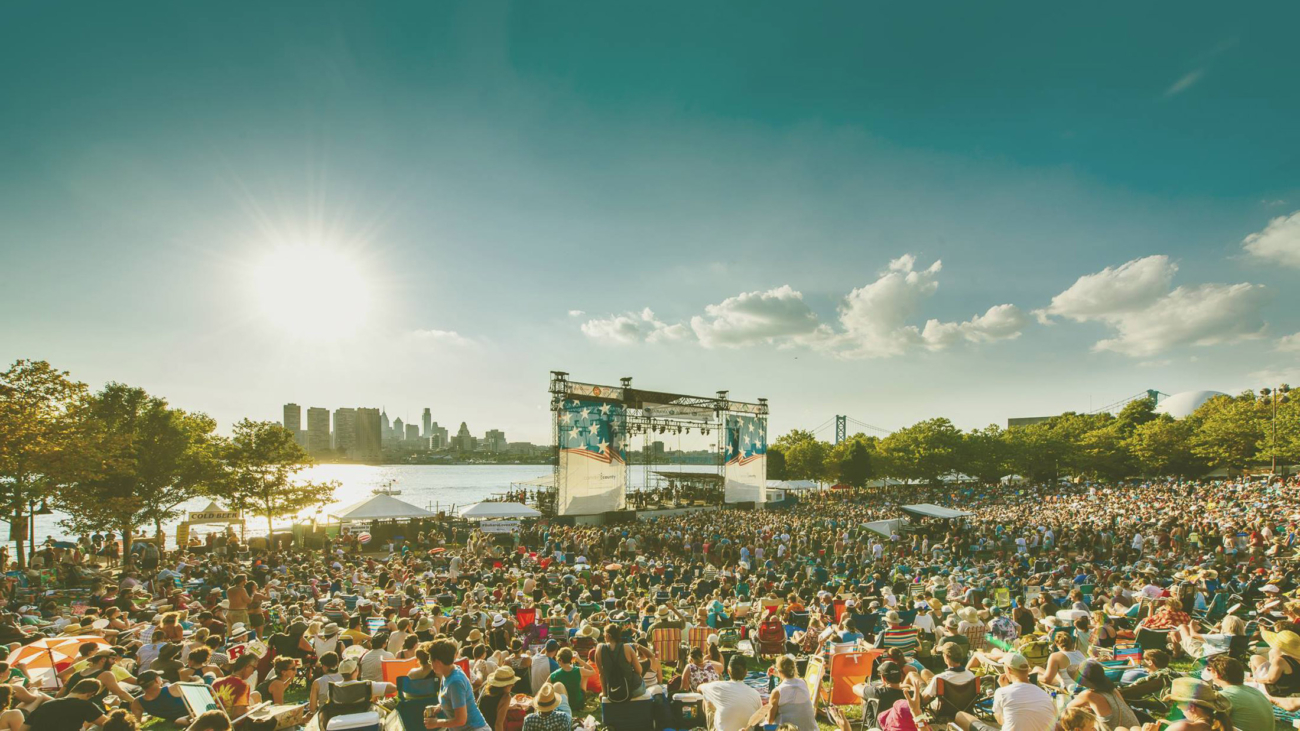
The XPoNential Music Festival has been one of the most reliably excellent and most authentic regional festivals in American music for over two decades, and its specific identity within the landscape of summer and fall outdoor events comes from the curatorial philosophy of its producer, WXPN, Philadelphia’s public radio station. WXPN has spent fifty years building a relationship with an audience that takes music seriously and rewards artists who take their craft seriously in return. XPoNential is the live expression of that relationship, a three-day gathering at Wiggins Waterfront Park in Camden, New Jersey, with the Philadelphia skyline visible across the Delaware River, that honors the full range of what the AAA and roots format has always meant to the community that built it.
Friday opens with The Budos Band, the Staten Island-based Afrobeat ensemble whose instrumental intensity and rhythmic sophistication have made them one of the most compelling live acts in the broader roots and funk world for nearly two decades, alongside Dawes, whose Taylor Goldsmith-led brand of California singer-songwriter craft arrives at XPoNential with the full weight of a catalog that has been deepening and expanding for fifteen years. Saturday belongs to Portugal. The Man on the main stage, the Alaska-born alternative outfit whose long arc from indie underground to mainstream Grammy recognition has been one of the more interesting trajectory stories in contemporary rock, and to St. Paul and the Broken Bones, the Birmingham, Alabama soul-rock ensemble whose live performances carry an energy and an emotional directness that consistently makes them one of the most talked-about acts on any bill they appear on.
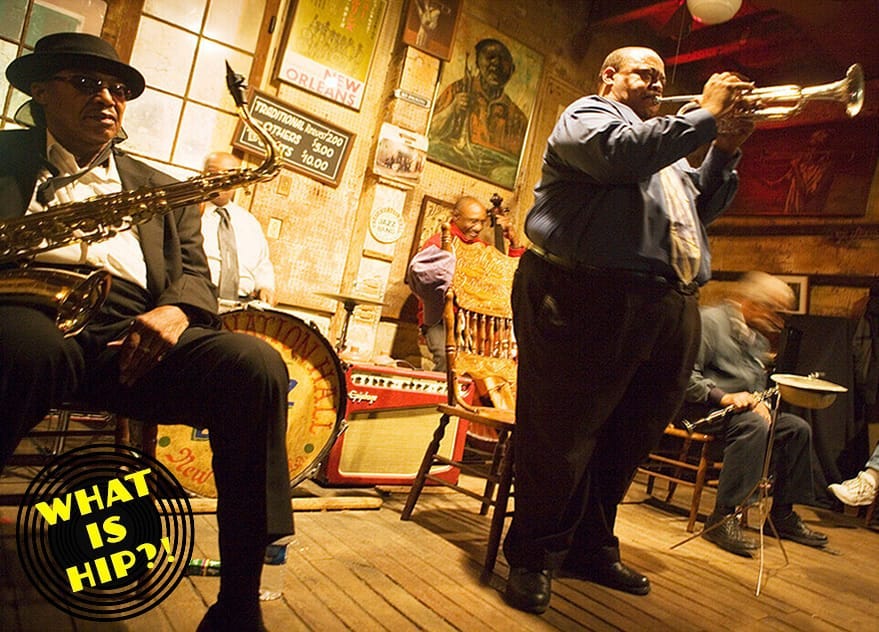
Sunday closes with Madison Cunningham, whose guitar work and compositional intelligence have made her one of the most significant singer-songwriters in the contemporary Americana and alternative space, alongside Ratboys, the Chicago-based indie rock band whose melodic sensibility and lyrical specificity have built a devoted audience among listeners who want something more from indie rock than genre convention. The Rebirth Brass Band appears on the bill as a reminder that the XPoNential tradition has always understood the New Orleans brass tradition as a living and essential part of the American musical conversation rather than a historical artifact.
- Dates: September 18–20, 2026
- Venue: Wiggins Waterfront Park, Camden, NJ
- Friday: The Budos Band · Dawes
- Saturday: Portugal. The Man · St. Paul & The Broken Bones
- Sunday: Madison Cunningham · Ratboys
- Also: Cyril Neville Plays The Dead · Devon Gilfillian · Sierra Hull · Rebirth Brass Band
Eli Winderman Brings a Dead, Phish, and Aphex Twin Interpretation to Johnny Brenda’s This November
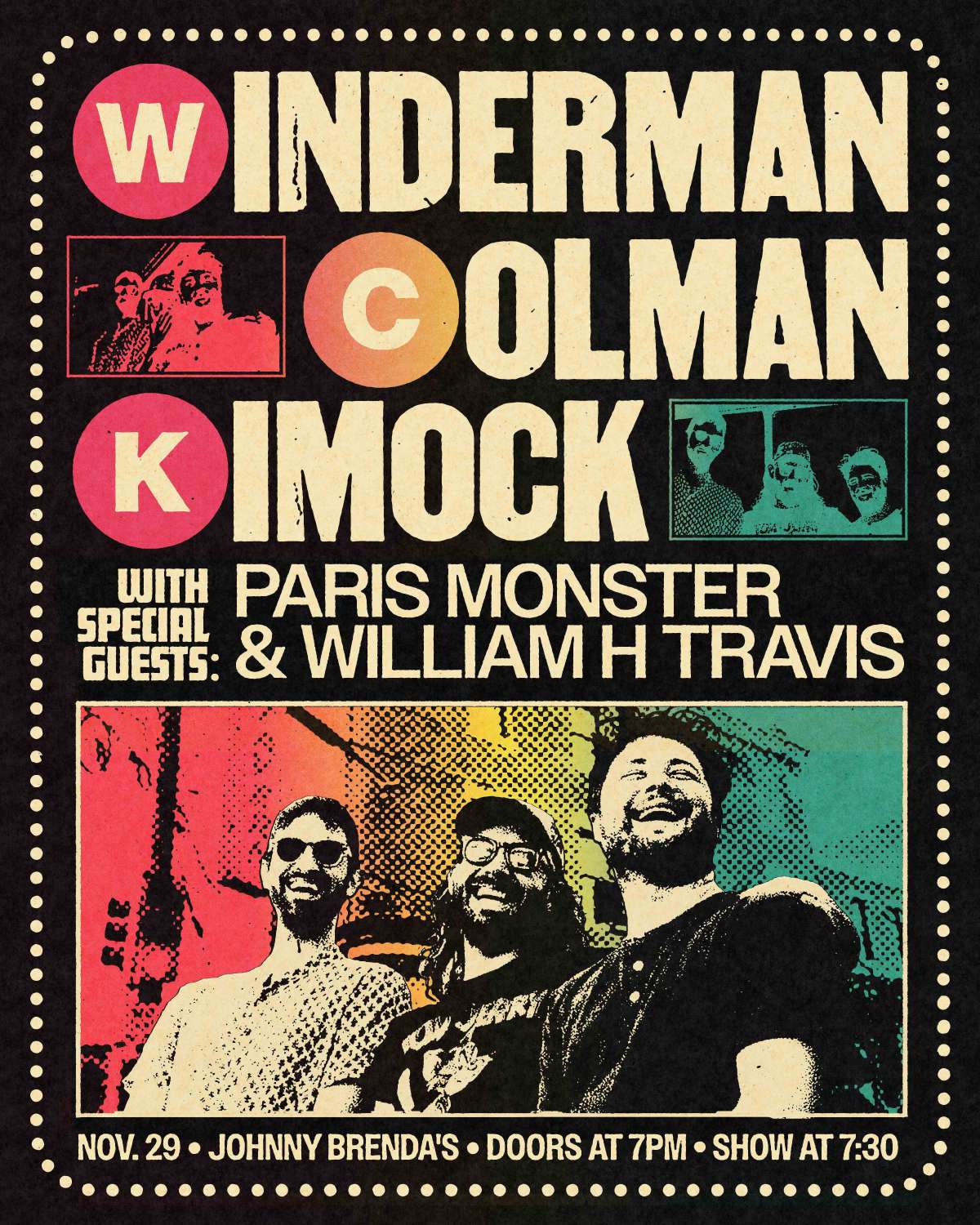
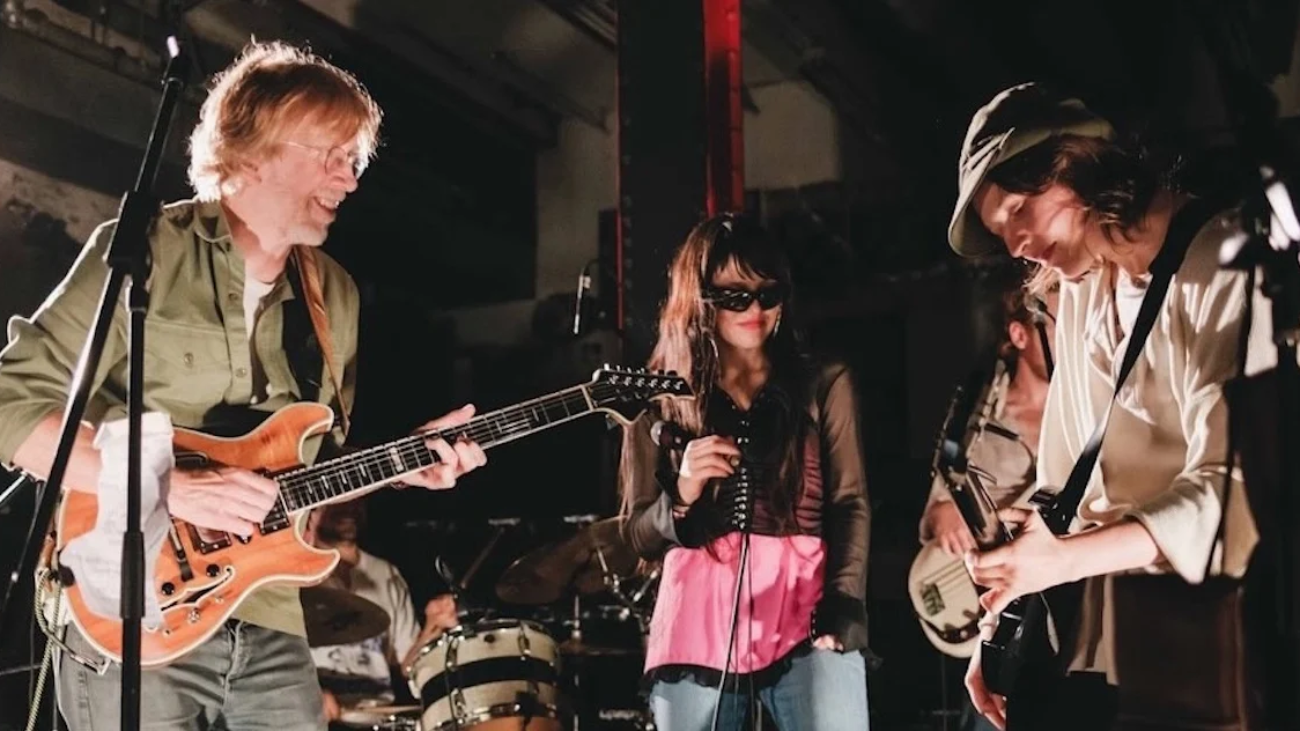
Eli Winderman has built his reputation as the keyboard voice of Dosio, one of the more interesting and genre-fluid acts in the current Philadelphia-area improvisational music scene. His playing carries the kind of harmonic intelligence and rhythmic flexibility that distinguishes musicians who have genuinely absorbed the tradition they work inside from musicians who are simply applying its surface vocabulary. When a musician of that caliber steps outside their primary band context to form a new configuration around a specific interpretive project, the result tends to be worth paying close attention to.
The Eli Winderman Trio he has assembled alongside bassist Jonathan Colman and drummer John Morgan Kimock represents exactly that kind of focused interpretive venture. The choice of source material, the Grateful Dead, Phish, and Aphex Twin in a single evening’s programming, is both audacious and deeply coherent. The Dead and Phish share an obvious improvisational lineage, a commitment to extended live performance as the primary artistic statement and to the live audience as an active participant in the musical experience rather than a passive recipient of it. Aphex Twin occupies a different territory, the electronic and ambient and occasionally brutal electronic music that Richard D. James has been producing under that name since the late 1980s, but the underlying commitment to sonic exploration and to the creation of specific emotional environments through musical means is not as distant from the Dead and Phish traditions as genre labels suggest.
Johnny Brenda’s in Philadelphia is a room that rewards exactly this kind of ambitious interpretive programming. Small enough that the relationship between the musicians and the audience is direct and personal, acoustically well-suited to the kind of keyboard-forward ensemble that Winderman is building, and located in the Fishtown neighborhood that has become one of Philadelphia’s most vibrant cultural zones, it is the ideal setting for a Sunday night in late November that will take the audience somewhere they did not expect to go.
- Date: Sunday, November 29, 2026
- Venue: Johnny Brenda’s, Philadelphia, PA
- Lineup: Eli Winderman (keys, Dosio) · Jonathan Colman (bass) · John Morgan Kimock (drums)
- Program: Interpretations of the Grateful Dead, Phish, and Aphex Twin
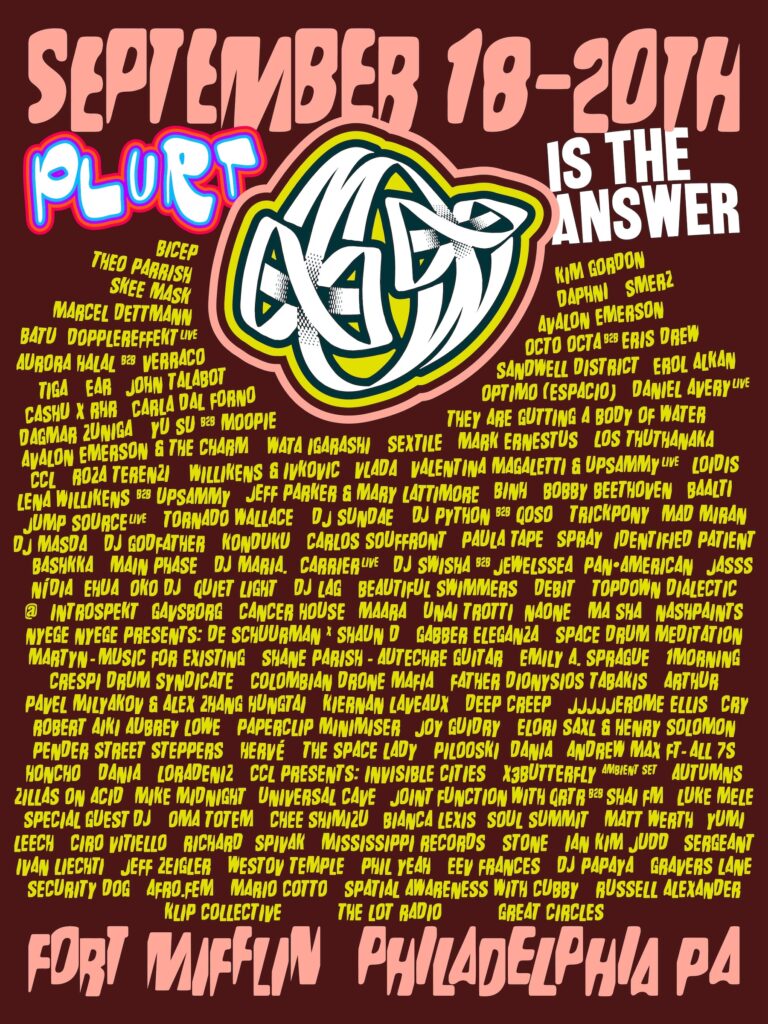
Making Time at Fort Mifflin Is the Most Atmospheric Electronic Music Event in the Region and It Is Happening This Weekend
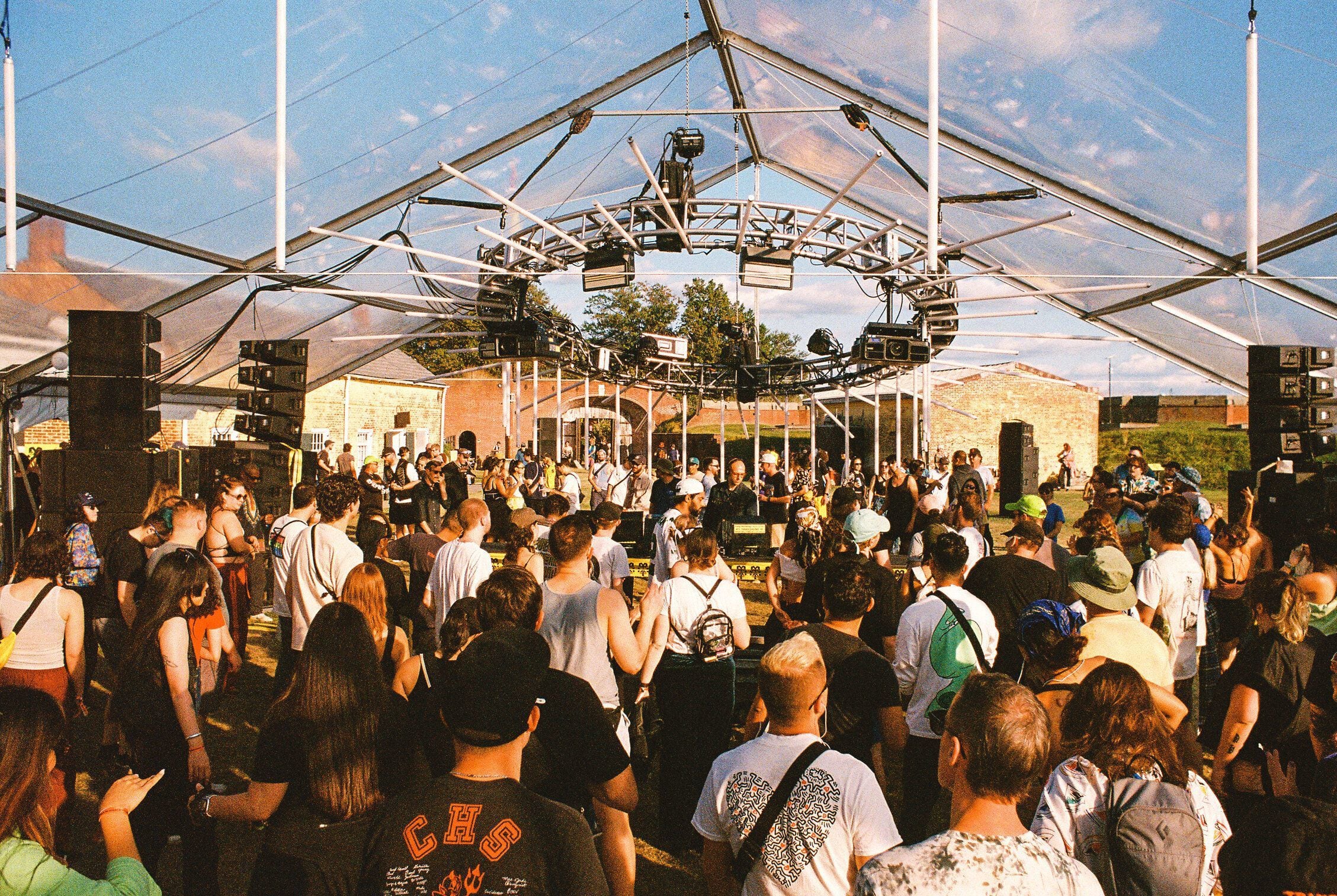
Fort Mifflin was built in the eighteenth century to defend Philadelphia from British naval attack during the Revolutionary War. It is one of the oldest surviving military fortifications in the United States, a place of thick stone walls and centuries of accumulated history, and it sits on Mud Island in the Delaware River with a directness and a physical authority that most purpose-built event venues cannot manufacture at any price. Making Time, the electronic music festival curated by Dave P., transforms this improbable setting every fall into one of the most genuinely distinctive festival experiences in the American underground, a gathering where the contrast between the historic architecture and the futuristic sound design produces an atmosphere that neither could create independently.
The Making Time aesthetic has always been built around the idea that the venue is not simply a container for the music but a participant in it, that the specific qualities of a given space, its acoustics, its visual character, its history, its relationship to the natural and urban environments around it, are part of what the event is making. Fort Mifflin is the most extreme expression of that philosophy in the Making Time catalog, a venue so insistently specific in its character that it transforms every performance that happens within its walls into something that could only have happened here.
The September 25 through 27 run this year brings a lineup of international DJs, synth-pop acts, and avant-garde electronic artists that matches the ambition of the setting. The specific names and sets will produce the kind of late-night, extended electronic music experience that Dave P. has been building toward since the Making Time brand first established itself as the Philadelphia underground’s most trusted curatorial voice. For listeners who follow Club Night and Sunday Spunday on JamFest Radio, Making Time at Fort Mifflin is the local event that most directly connects to the music we broadcast every Saturday night, electronic music taken seriously in a setting that honors it as culture rather than simply entertainment.
Club Night Starts at 10 PM. Sunday Spunday Runs Until 9 AM.
Every artist, every festival, every story in this feature plays on JamFest Radio. Turn it up and let it take you somewhere.
Listen Now at JamFestRadio.com








.webp)