2504_M_OldCrowMedicineShow

JamFest Features The NewGrass Renaissance—Where Bluegrass Tradition Breaks Open and the Future Plays Loud

There are moments in American music when a genre stops preserving itself and starts evolving in real time. That moment is happening again right now in the bluegrass and NewGrass world, and JamFest is at the center of documenting, amplifying, and broadcasting it as it unfolds. This is not simply a revival cycle—it is a structural shift in how roots music is written, performed, recorded, and experienced. From the legacy innovators who first pushed the boundaries in the 1970s to the genre-fluid artists redefining the sound today, the movement is accelerating, and the signal is impossible to ignore.

At the core of this transformation is the philosophy that gave NewGrass its identity in the first place: “Music Without Rules.” That ethos, pioneered by the groundbreaking collective New Grass Revival, fundamentally altered the trajectory of acoustic music. With a rotating lineup that included forward-thinking players such as Sam Bush, Béla Fleck, and John Cowan, the band rejected rigid genre definitions and instead fused bluegrass with rock, jazz, funk, and improvisational frameworks. Their work didn’t just expand bluegrass—it destabilized the idea that it had boundaries at all.

That same DNA now runs through an entirely new generation of artists who are pushing the genre further into hybrid territory. JamFest’s NewGrass Radio Show has become one of the defining platforms capturing this shift in real time, curating a sonic landscape where traditional instrumentation coexists with modern songwriting, expanded improvisation, and cross-genre collaboration. Designed for all audiences but rooted in deep musical literacy, the show operates as both a gateway and a deep archive—bridging legacy and innovation with precision.

Tonight’s JamFest programming reinforces that mission with a dual spotlight event: “Newport Broadside – Topical Songs at the Newport Folk Festival 1963–1964” alongside The NewGrass Radio Show. The historical pairing is intentional. The early 1960s Newport Folk movement represented one of the first major inflection points where folk music intersected with social commentary and broader cultural shifts. By aligning that moment with today’s NewGrass evolution, JamFest draws a direct line between past disruption and present-day reinvention.

The current news cycle in the bluegrass and NewGrass space underscores just how active—and volatile—this moment is. Major releases, tour shifts, collaborations, and health developments are all shaping the landscape simultaneously.

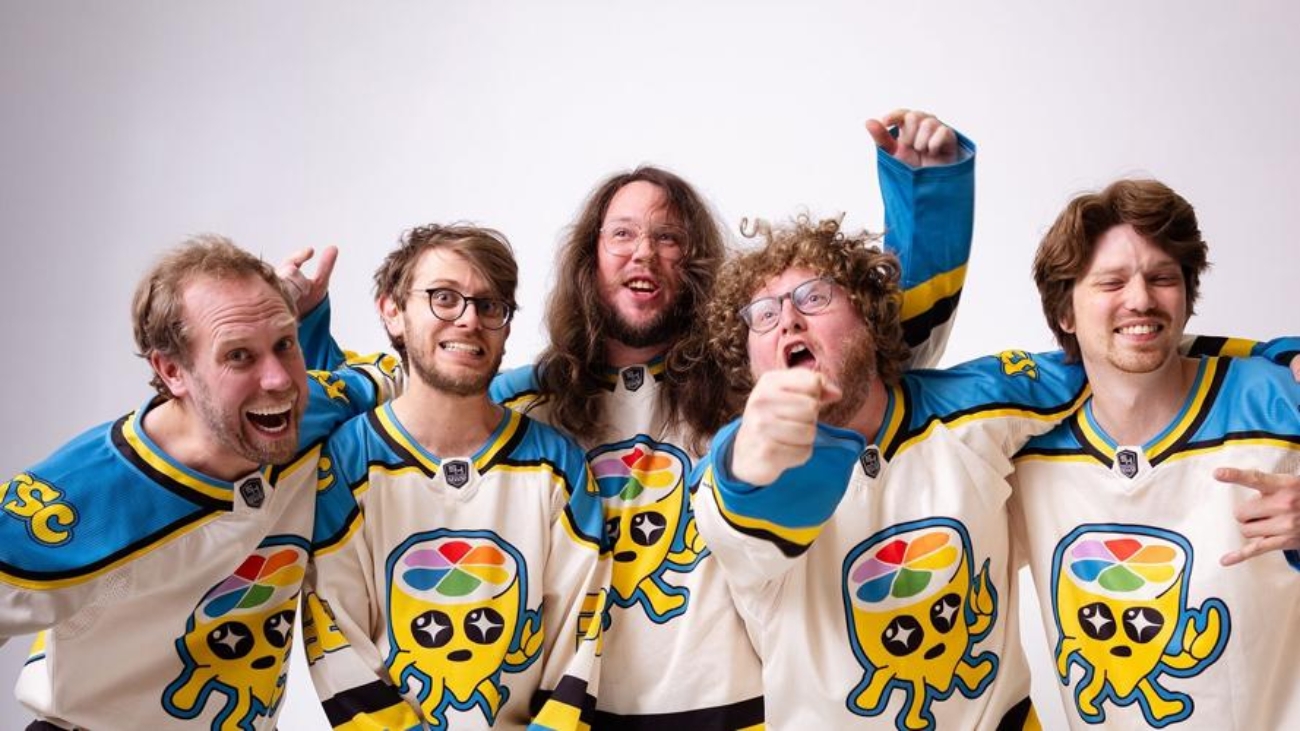
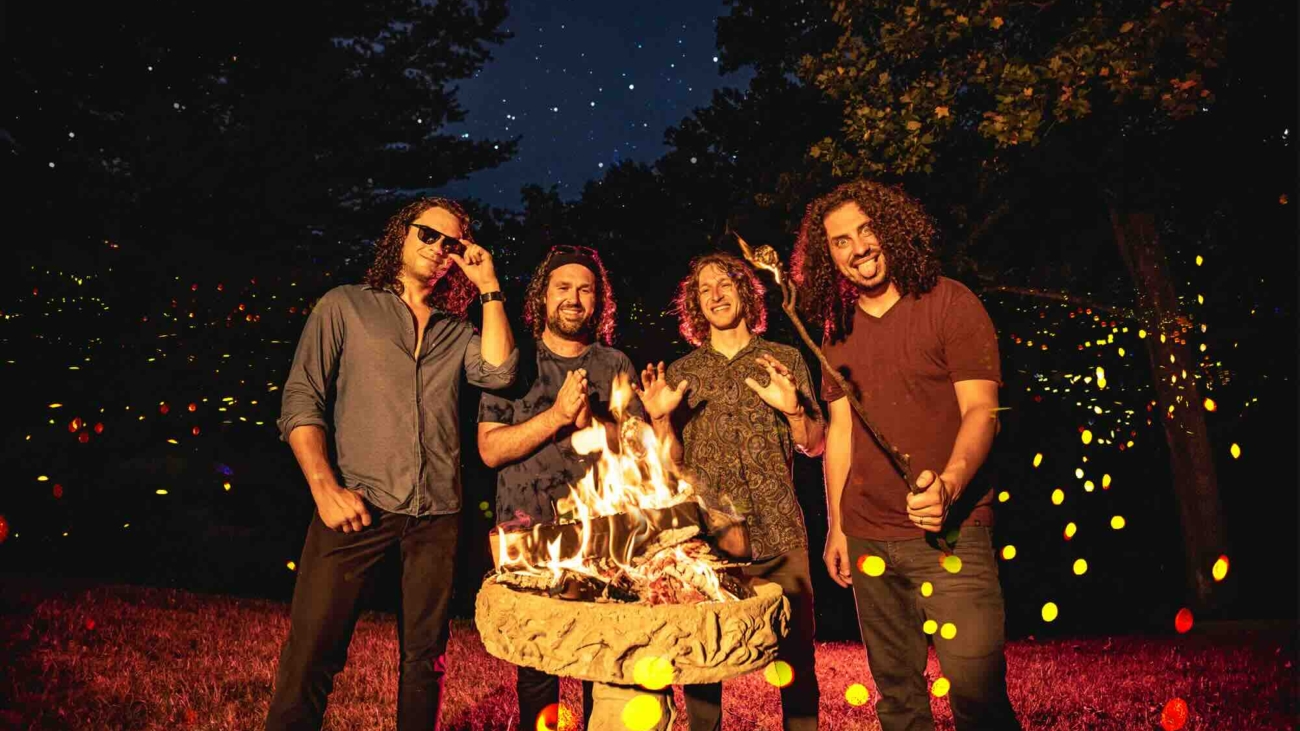
On the recording front, Old Crow Medicine Show has formally announced Union Made, a high-profile album scheduled for June 5, 2026. The project is already generating industry-level attention, driven by its lead single “My Side of the Mountain,” which brings together a rare convergence of elite talent, including Del McCoury, Ronnie McCoury, Molly Tuttle, and Luke Combs. This type of cross-generational collaboration is no longer an exception—it is becoming a structural norm within the genre.

Meanwhile, Billy Strings, one of the most commercially and critically significant figures in modern bluegrass, has been forced to temporarily step away from touring due to a leg injury. His postponed April dates in West Virginia and Indiana have been rescheduled for August 2026, with a targeted return performance set for Willie Nelson’s 4th of July Picnic. His absence underscores both his importance to the live circuit and the fragility of a touring ecosystem that relies heavily on individual performers at peak output.

At the same time, Sturgill Simpson—operating under his evolving creative identity Johnny Blue Skies—continues to redefine genre expectations with his Mutiny for the Masses tour and the unconventional release strategy behind Mutiny After Midnight. Debuting at No. 3 on the Billboard 200 despite a physical-first rollout, the album challenges long-held assumptions about distribution, audience engagement, and market viability in roots-oriented music.

On the touring circuit, Molly Tuttle remains a central force, coming off a strong showing at MerleFest and moving directly into a co-headlining run with Maggie Rose. Her trajectory reflects a broader shift toward artist versatility, where technical mastery, songwriting depth, and crossover appeal are now baseline expectations rather than differentiators.

Beyond the headline artists, the release pipeline continues to deliver substantive work that reinforces the genre’s depth. The Del McCoury Band is preparing a collaborative project featuring Peter Rowan and David Grisman, while Tony Trischka has released Earl Jam 2, extending his ongoing exploration of archival and interpretive bluegrass material. Blue Highway is marking three decades with a live retrospective, Live at ETSU!, and Béla Fleck continues to operate at the intersection of genres with an upcoming collaboration alongside Renée Fleming.

The festival ecosystem remains equally active and increasingly essential as a proving ground for both established and emerging acts. MerleFest has already launched its 38th season with a lineup that balances tradition and forward motion, while ROMP Festival is positioning itself with a strong 2026 bill featuring Marty Stuart, Ricky Skaggs, and the Del McCoury Band. These festivals are no longer just performance platforms—they are strategic convergence points where collaborations form, audiences expand, and genre lines continue to dissolve.

At the same time, the community is navigating serious challenges. Ronnie Bowman remains hospitalized following a severe car accident, while Stanley Efaw and Todd Taylor are both facing significant health battles. In a genre historically defined by tight-knit networks and shared lineage, these developments resonate deeply, reinforcing the importance of community support alongside artistic output.

What distinguishes this current era from previous cycles is the simultaneity of expansion and preservation. The technical vocabulary of bluegrass—its instrumentation, harmonic structures, and ensemble interplay—remains intact, but its application has become fluid. Artists are no longer choosing between authenticity and innovation; they are integrating both as baseline practice.

JamFest’s NewGrass Radio Show operates directly within that intersection. It is not simply a playlist—it is an editorial statement, a curatorial engine, and a broadcast platform that treats this music with the depth and seriousness it demands. By presenting both foundational artists and forward-facing voices in a single continuum, the show captures the genre as a living system rather than a static tradition.

For listeners, this is an entry point into one of the most dynamic musical ecosystems currently operating in North America. For artists, it is a validation platform that recognizes both lineage and risk-taking. And for the broader industry, it is a signal that bluegrass and NewGrass are not niche categories—they are active, evolving frameworks capable of sustaining long-term cultural and commercial relevance.

As tonight’s programming unfolds on JamFest, the message is clear: this is not a retrospective moment. It is a live transmission of a genre actively rewriting its own rules, in real time, with no intention of slowing down.

18867433_20eff6bf-d886-407f-b699-3408f0d7fe12

JamFest Festival Season 2026 Ignites with Coachella’s Defining Moments, Massive Lineup Drops, and the Global Rise of Live Music Culture

The global festival circuit has officially surged into full velocity, and by mid-April 2026 the landscape is already defining itself as one of the most culturally layered, sonically diverse, and commercially potent seasons in recent memory. What began as a strong early-year pulse has now expanded into a full-spectrum movement—anchored by landmark performances, accelerated by headline-making lineup drops, and fueled by a renewed appetite for large-scale communal music experiences that stretch across genres, generations, and geographies. From the California desert to the streets of New Orleans, from Chicago’s urban festival grounds to emerging boutique destinations in the Midwest and beyond, the modern festival ecosystem is not just thriving—it is evolving in real time. At the center of the conversation sits Coachella 2026, which has once again reasserted itself as the cultural ignition point for the entire global season. The first weekend concluded with a series of moments that will likely be dissected, debated, and celebrated for months to come. Karol G delivered a defining performance, becoming the first Latin female artist to headline the festival—a milestone that signals not just representation, but a broader recalibration of global pop influence within the festival economy. Meanwhile, FKA twigs returned with a performance widely regarded as one of the most artistically complete sets of the weekend, reaffirming her position as one of the most compelling live performers of her generation. Yet Coachella’s true power lies in its unpredictability. Surprise appearances have always been part of its DNA, but 2026 pushed that tradition further into spectacle. The Strokes emerging to open for Justin Bieber created a cross-genre collision that few saw coming, while the inclusion of Black Flag injected a raw, legacy-driven edge into a lineup otherwise dominated by contemporary chart leaders. These moments are not isolated—they are signals of a festival model increasingly driven by curation over convention, where the unexpected becomes the headline.

Source: JamFest Festival Season 2026 Ignites with Coachella’s Defining Moments, Massive Lineup Drops, and the Global Rise of Live Music Culture

large_9129_studio54

JamFest Expands the Sound Inside the Cultural Convergence of Club Music, Club Night Energy, and the Reinvention of an Iconic New York Space

There are moments when music, culture, and physical space align in a way that feels larger than programming or performance—something closer to a full-spectrum experience that connects eras, audiences, and artistic disciplines. JamFest is operating directly in that lane right now, pushing beyond the traditional boundaries of radio and live-event storytelling into something more immersive, more continuous, and far more reflective of how modern audiences actually engage with music. What is unfolding is not just a schedule or a lineup—it is a living, breathing ecosystem of sound, anchored by deep musical credibility and amplified by a forward-thinking approach to curation.

At the center of this evolution is Club Night, JamFest’s Saturday night flagship that transforms the platform into a global electronic music conduit. This is not a casual mix show or a passive playlist—it is a full-scale sonic takeover that bridges the studio and the festival circuit, pulling energy from the world’s most iconic dance floors and delivering it directly into listeners’ homes, cars, and headphones. Every Saturday night, the format shifts into high gear with DJ-driven programming, original remixes, and a rotating current of electronic music that spans genres, tempos, and continents. From peak-hour festival anthems to underground cuts that rarely surface outside elite club environments, Club Night is engineered as a continuous experience, not a segmented broadcast.

What sets it apart is the commitment to flow. The transition into Sunday Spunday—beginning at 2AM EST and extending deep into the morning hours—ensures that the energy does not drop; it evolves. This overnight stretch is where the lines between live performance, DJ culture, and curated radio dissolve entirely. It mirrors the arc of a real night out: the early momentum, the late-night intensity, and the sunrise comedown where deeper, more atmospheric sounds take over. In a media landscape often defined by short attention spans and fragmented content, JamFest is leaning into duration, immersion, and narrative through sound.

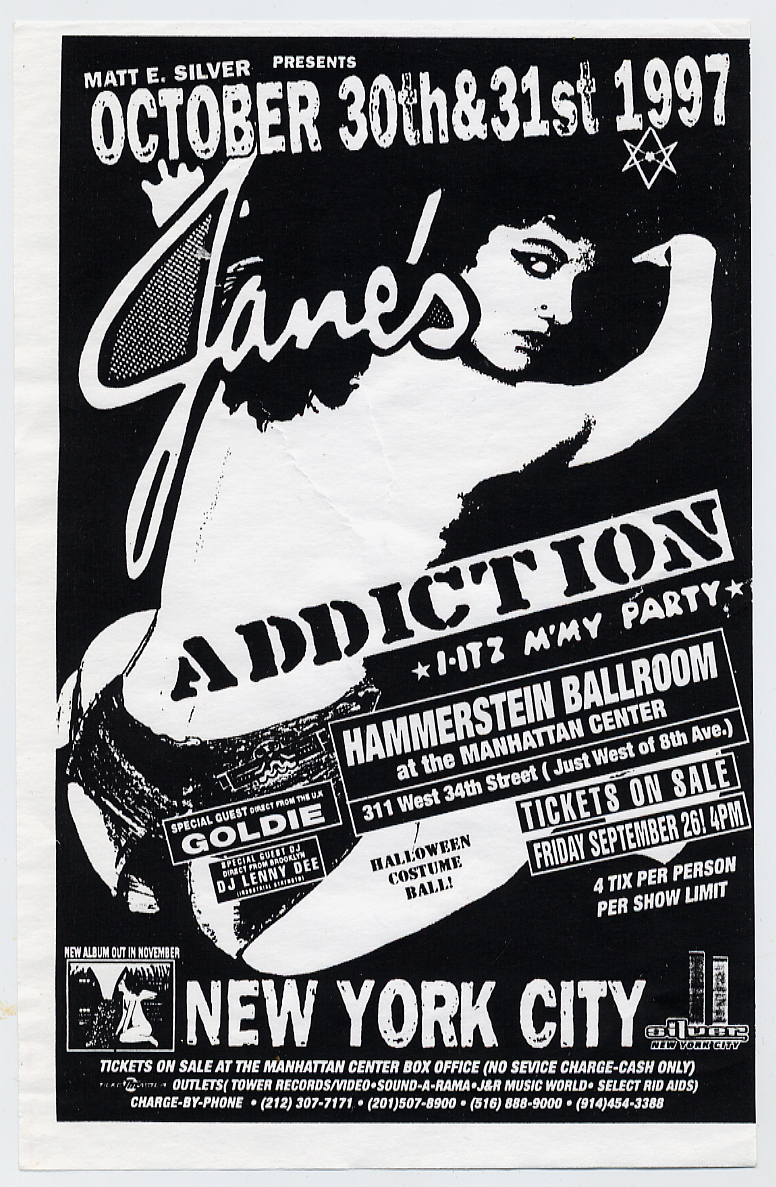
That philosophy of continuity and reinvention is not confined to the airwaves. It finds a powerful parallel in the physical transformation of one of New York City’s most storied cultural addresses: 254 West 54th Street. Once synonymous with the excess, glamour, and cultural upheaval of the original Studio 54 era, the building has continued to evolve, and now it is entering another defining chapter. The Roundabout Theatre Company’s recently announced $100 million renovation marks the first comprehensive overhaul of the venue in decades, signaling a renewed commitment to both preservation and innovation.

The scope of the project is significant. The goal is not simply to modernize, but to elevate the space into a fully optimized, future-facing performance environment. Accessibility is being expanded in meaningful ways, ensuring that a broader audience can experience what the venue has to offer. Advanced assisted listening systems will be integrated, aligning with contemporary expectations for inclusivity and technical excellence. Perhaps most notably, the restoration of a permanent stage and the addition of a full orchestra pit represent a deliberate return to theatrical fundamentals that had been absent since the building’s transition away from its disco roots in the 1980s. This is not nostalgia—it is strategic reinvention.

Equally important is the reimagining of the building’s third floor into a flexible-use space designed for artistic development, education, and community engagement. This addition reflects a broader shift in how cultural institutions operate today. It is no longer enough to present finished work; there is a growing emphasis on fostering the process behind it, creating environments where artists can experiment, collaborate, and connect with audiences in more direct and meaningful ways. In that sense, the building’s evolution mirrors JamFest’s own trajectory—both are expanding their roles from platforms of presentation to engines of creative exchange.

Despite the scale of the renovation plans, the venue remains very much alive in the present. Current productions are drawing significant attention, including a high-profile revival of The Rocky Horror Show that has already extended its run due to overwhelming demand. With a cast that blends theatrical precision and cultural recognition, the production reinforces the venue’s ability to balance legacy appeal with contemporary relevance. Looking ahead, the scheduled staging of Oedipus signals a continued commitment to ambitious, thought-provoking programming that spans genres and eras.

The building’s legacy as a cultural crossroads is also being actively revisited through brand activations and special events. A one-night-only reopening in September 2025 reintroduced the spirit of the original club to a new generation, serving as the backdrop for a major fashion and beauty launch that drew directly from the aesthetic codes of the 1970s. These moments are not attempts to recreate the past—they are reinterpretations, using the mythology of the space as a foundation for new creative expressions.

Downstairs, 54 Below continues to operate as one of the most respected cabaret venues in the country, offering an intimate counterpoint to the larger-scale productions above. Its programming remains consistently strong, attracting performers who bring both technical mastery and emotional depth to the stage. This layered approach—large theater, experimental community space, and intimate cabaret—creates a vertical ecosystem of performance that few venues can match.

There is a throughline connecting all of this, and it is rooted in the idea that music and performance are not static. They are constantly being reshaped by context, by technology, and by the expectations of audiences who are more connected and more discerning than ever before. JamFest’s Club Night and Sunday Spunday embody this shift on the broadcast side, delivering a continuous, evolving experience that reflects the rhythms of real-world music culture. The transformation of 254 West 54th Street reflects it in physical form, demonstrating how even the most iconic spaces can adapt without losing their identity.

For listeners and fans, the result is a richer, more integrated experience. You can move from a late-night DJ set that captures the pulse of a global festival to a historic venue that is redefining what live performance looks like in the modern era, all within the same cultural orbit. That is the power of thoughtful curation and strategic evolution—it creates connections that feel organic, even when they span decades and disciplines.

JamFest is not simply keeping pace with the culture; it is actively shaping how that culture is experienced. And as Club Night continues to expand its reach, carrying listeners from Saturday night into Sunday morning without interruption, it reinforces a simple but powerful idea: the best music experiences are not confined to a moment. They are extended, immersive, and built to be lived in.

ARF26_Lineup__FB

JamFest Features Global Reggae Renaissance Tonight on Project Reggaeologist—Festival Power, New Releases, and Elephant Man’s Defining Return Ignite 2026

There is a distinct shift happening across the global reggae and dancehall landscape in 2026—one that feels both rooted in legacy and aggressively forward-facing. From massive international festival expansions to a wave of meaningful new releases and career-defining moments from genre icons, the culture is not simply active—it is accelerating. What we are witnessing is not a cyclical resurgence, but a sustained evolution where heritage, innovation, and global reach intersect at scale. At JamFest, this moment aligns directly with what we amplify daily, and through the Radio Show Project Reggaeologist, we are not just documenting the movement—we are actively programming its pulse in real time.

The current festival circuit alone tells the story. Reggae is commanding larger stages, broader audiences, and more diverse lineups than at any point in recent memory. The Austin Reggae Festival, set for April 17 through 19, 2026, represents a strategic elevation under new stewardship, now powered by the Reggae Rise Up team. That transition signals a tightening of production quality and booking power, reflected in a lineup anchored by Stephen Marley, Koffee, and Iration—artists who collectively bridge generational authenticity with modern crossover appeal. This is not just a regional gathering anymore; it is a destination event with global implications.

Across the Atlantic, Reggae Land in the UK has expanded into a full three-day experience, underscoring the genre’s deep-rooted influence throughout Europe. The inclusion of Burna Boy alongside cornerstone reggae and dancehall figures like Vybz Kartel, Shaggy, Shenseea, and Beenie Man reflects a deliberate blending of Afrobeat, dancehall, and reggae into one unified sonic ecosystem. Kartel’s appearance alone carries historic weight, marking a long-anticipated debut that will undoubtedly reshape the narrative around live dancehall performance in Europe.

Meanwhile, Reggae Rise Up Arizona continues to solidify its reputation as one of the premier U.S.-based reggae festivals, bringing together Stephen Marley, Rebelution, Dirty Heads, SOJA, and Collie Buddz in a setting that has become synonymous with consistency, community, and high-caliber curation. This is the American festival model at its most refined—artist-driven, fan-focused, and built for longevity.

Beyond land-based festivals, the Love & Harmony Cruise—currently sailing out of Miami through April 6, 2026—represents another dimension of the culture’s expansion. Floating festivals have become a powerful extension of the reggae lifestyle, offering immersive, multi-day experiences where the music is not confined to a stage but becomes the entire environment. These formats deepen fan engagement and create a global meeting point for the community in ways traditional venues cannot replicate.

At the same time, the studio landscape is delivering substance that matches the scale of the live circuit. Maxi Priest’s latest single, “Touch By An Angel,” arrives as a reminder of the genre’s emotional core—romantic, melodic, and timeless in its delivery. Ziggy Marley’s forthcoming project Brightside, scheduled for release on April 18, is positioned as one of the most anticipated drops of the year, carrying forward a legacy while pushing into new thematic territory. Hempress Sativa continues to assert her voice through the Woman Club Tour, extending the reach of her recent album Woman and reinforcing the growing prominence of female artists in the reggae space. Anthony B’s upcoming album World of Love, arriving April 24, further strengthens the release calendar with a project expected to blend conscious messaging with modern production sensibilities.

Closer to home, the tri-state region is beginning to reflect this global momentum. The inaugural Jersey Joint 4/20 Festival in Glassboro, New Jersey on April 18, 2026, signals a localized but meaningful expansion of reggae and lifestyle culture into new community-driven formats. Events like this are essential—they create entry points, build regional identity, and ensure that the genre’s growth is not limited to major markets alone.

Yet even within this wave of activity, one release stands above the rest in terms of cultural impact and narrative significance. Elephant Man’s Pretty Baby is not simply a project—it is a statement of intent, a recalibration of relevance, and a masterclass in how legacy artists can re-enter the conversation with authority.

The origin story alone is remarkable. What began in the summer of 2025 as a bold reinterpretation of Connie Francis’s 1962 classic “Pretty Little Baby” quickly evolved into a viral phenomenon. In an era where virality often burns fast and fades faster, “Pretty Baby” did the opposite. It sustained momentum, driven by global dance challenges, algorithmic amplification, and a genuine connection with audiences across generations. The track climbed streaming platforms, secured a dominant position on reggae charts, and embedded itself into the cultural zeitgeist in a way few releases manage.

Recognizing the opportunity, Elephant Man did not rush a follow-up. Instead, he expanded the concept into a fully realized eight-track EP that transforms the original single into the foundation of a broader sonic experience. The project builds outward—layering high-energy dancehall rhythms with polished production, strategic collaborations, and a clear understanding of what modern audiences demand without abandoning the core DNA that defines the genre.

This is where Pretty Baby separates itself from typical releases. It is both nostalgic and contemporary, leveraging familiarity while delivering innovation. It speaks to longtime fans who recognize the lineage, while simultaneously capturing a new generation that discovered the sound through digital platforms. That duality is not accidental—it is engineered, and it is effective.

From a macro perspective, Elephant Man’s resurgence is emblematic of a larger truth: reggae and dancehall are not niche genres operating on the fringes of global music—they are foundational influences that continue to shape mainstream sound. The rhythms, the cadence, the cultural storytelling—they permeate pop, hip-hop, Afrobeat, and beyond. What is happening in 2026 is not a revival—it is a reaffirmation of dominance.

This is precisely why JamFest’s Radio Show Project Reggaeologist exists at the center of this conversation. With a format built around non-stop reggae, dancehall, roots, world, and ska, alongside curated selections from the most influential reggae festivals across the globe, the platform operates as both a discovery engine and a cultural archive. It is where legendary catalog meets emerging talent, where studio recordings intersect with live energy, and where listeners are immersed in the full spectrum of the genre without interruption.

Each week, the show continues to elevate both established icons and the next wave of artists, ensuring that the evolution of reggae is not just observed—it is experienced. This is critical in a landscape where algorithms often dictate exposure. Reggaeologist reintroduces curation, expertise, and intentional programming into the equation, providing a level of depth that passive listening platforms cannot replicate.

As 2026 unfolds, all indicators point to continued expansion. Festival footprints will grow, cross-genre collaborations will deepen, and artists will increasingly leverage global platforms to amplify their reach. But at its core, the foundation remains unchanged: rhythm, message, and connection.

What we are seeing now is a convergence of scale and substance—a moment where reggae and dancehall are not just participating in the global music economy but actively shaping it. And through JamFest, through Reggaeologist, and through the artists driving this movement forward, that story is being told louder, wider, and more definitively than ever before.

NOTMC_382950_7657f4ae-5056-b365-abd9694b2e76b2e9

New Orleans Takes Center Stage This Spring: A City in Full Sound as Festival Season Ignites and JamFest’s “What Is Hip?!” Captures the Pulse of a Living Musical Legacy

There are places where music happens, and then there are places where music is born, shaped, and continuously redefined. New Orleans stands alone in that second category—a city where rhythm is not just heard, but lived, where every street corner, second line, and late-night set contributes to a legacy that continues to influence global sound. As April 2026 unfolds, New Orleans enters its most electrifying stretch of the year: festival season. This is when the city doesn’t just celebrate music—it becomes the epicenter of it.

At the heart of this seasonal surge is the return of French Quarter Festival, running April 16 through April 19, 2026. Widely regarded as one of the most authentic and community-driven music festivals in the country, the event transforms the historic French Quarter into a sprawling, multi-stage performance environment featuring more than 300 live acts across 20 stages. Unlike larger commercial festivals, this one remains deeply rooted in local culture, offering a lineup that reflects the true sound of the city.

Artists like PJ Morton, Irma Thomas, and Big Freedia anchor a program that spans jazz, funk, gospel, R&B, brass, and beyond. The expanded footprint along the riverfront—highlighted by activity at Goldring Woldenberg Riverfront Park—signals a continued evolution of the festival, while additions like the 5K run reinforce its community-first identity. This is not a passive experience. It is immersive, kinetic, and deeply participatory.

But the energy doesn’t stop there. The broader festival calendar continues to build toward New Orleans Jazz & Heritage Festival, the globally recognized event that has come to define the city’s spring cultural surge. While Jazz Fest remains the headline attraction, what makes this moment truly special is the density of activity surrounding it—the smaller showcases, residencies, pop-up performances, and genre-crossing collaborations that fill every available space with sound.

Across the city, that sound is being shaped by both legends and innovators. Terence Blanchard returns home with his groundbreaking opera Fire Shut Up in My Bones, bringing a deeply personal and nationally celebrated work back to the city that helped shape his voice. It’s a full-circle moment that reinforces New Orleans’ role not just as a birthplace of jazz, but as a continuing incubator for boundary-pushing composition.

Meanwhile, veteran saxophonist Clarence Johnson III is in the midst of an extended residency at the Jazz & Blues Market, marking more than four decades of contribution to the local scene. Performances like these are not just concerts—they are living archives, where history is preserved and passed forward in real time.

The city’s forward momentum is equally evident in the emergence of new ensembles and cross-cultural experimentation. A recently debuted chamber group is drawing attention for its interpretation of Venetian baroque compositions, creating an unexpected but compelling dialogue between New Orleans and European musical traditions. It’s a reminder that this city has always absorbed, adapted, and reimagined influences from around the world.

That same spirit of expansion and inclusion is driving new events like Who Fab Fest, set for April 12, 2026 at The Broadside. As the city’s first LGBTQ+ music and culture festival, it represents an important evolution in the local landscape, with performances from artists such as Mia Borders and BJ So Cole. It’s not just a new event—it’s a statement about where the culture is headed.

Beyond the major festivals, April’s calendar is packed with high-impact performances that keep the city in constant motion. “Jammin’ on Julia” brings live music into the Arts District on April 4, turning galleries and streets into interconnected stages. The Hondo Rodeo Fest arrives April 10 at Caesars Superdome, blending country spectacle with large-scale production. “Barrels on the Bayou” hits Lafayette Square on April 18, while Skerik’s Saucefest closes out the month on April 28 with a genre-bending, improvisation-driven showcase that aligns perfectly with New Orleans’ experimental edge.

Looking ahead, the momentum carries into the fall with the return of NOLA Funk Fest, confirmed for October 2026 at the New Orleans Jazz Museum. After successful runs in previous years, its continuation underscores the sustained appetite for funk-driven programming and the city’s ongoing commitment to honoring its roots while pushing forward.

For JamFest, this entire moment represents more than just coverage—it’s alignment. This is exactly where the platform thrives: at the intersection of live performance, cultural authenticity, and musical evolution. That connection is fully realized through the continued presence of the “What Is Hip?!” Radio Show, a program dedicated to the sounds, artists, and traditions that define New Orleans and its extended musical universe. As festival season unfolds, the show becomes a conduit—bridging on-the-ground energy with a broader listening audience, amplifying the artists, and preserving the essence of what’s happening in real time.

“What Is Hip?!” isn’t just a title—it’s a question that New Orleans answers every single day. It’s in the brass bands that move through the streets, the late-night jazz sets that stretch into morning, the fusion of genres that refuse to stay confined, and the artists who continue to redefine what this city sounds like. It’s in the festivals, the residencies, the new ensembles, and the cultural milestones that make April 2026 one of the most dynamic periods in recent memory.

As the city moves deeper into festival season, one thing becomes clear: New Orleans is not revisiting its past—it’s actively building its future. And for those paying attention, for those listening closely, and for those tuned into JamFest and the “What Is Hip?!” Radio Show, this is the moment where everything connects.

0a38079f7fc5108e04d032a624c5c3b1.1000x1000x1

Festival Season Moves Forward with Key Recaps, Tour Announcements, and What’s Next on JamFest

The live music cycle continues to move at a steady pace, with major festivals wrapping up, new events approaching, and global tours expanding. This past week reflects how festivals, touring, and local scenes all operate together as part of the same ecosystem, where live performance remains the primary driver of audience engagement.

First, U2’s Days Of Ash EP Arrives as a Defining Cultural Statement—Now Center Stage on JamFest’s Rock NRN Radio Show Tonight at 9PM EST

Big Ears Festival 2026 in Knoxville ran from March 26 through March 29 and drew approximately 35,000 attendees. The festival focused on experimental and cross-genre programming, with performances from David Byrne, Robert Plant, Laurie Anderson, and Flying Lotus. Its structure continues to emphasize curated sets over traditional genre segmentation, making it a consistent influence on artists working outside conventional formats.

Ultra Music Festival 2026 in Miami took place March 27 through March 29 and maintained its position as a leading electronic music event. Headlining performances from John Summit, Major Lazer, and Armin Van Buuren drove both in-person attendance and global streaming activity. Tomorrowland Winter also concluded recently, continuing to expand the reach of electronic festival programming into nontraditional seasonal environments.

Coachella 2026 is entering its final preparation phase ahead of its April 10 through April 12 and April 17 through April 19 weekends in Indio. Current focus includes logistics, vendor coordination, and expanded on-site experiences. As in previous years, Coachella is expected to set benchmarks not only for attendance, but for production scale and cross-industry visibility.

CMA Fest 2026 has begun rolling out its daytime stage lineup, confirming artists including Luke Bryan, Keith Urban, and Shaboozey. The event continues to balance established acts with newer artists, maintaining its role as a key platform within country music.

On the touring side, several major announcements are shaping the upcoming months. Céline Dion confirmed her return to live performance with newly announced Paris dates following a public appearance at the Eiffel Tower on March 30. Lisa of Blackpink announced her Las Vegas residency, Viva La Lisa, at Caesars Palace, scheduled for two weekends in November 2026. BTS debuted their album Arirang at number one on the Billboard 200 and is set to begin a U.S. stadium tour in April, with stops in Florida, California, and Texas. Post Malone continues to expand his touring footprint, appearing at the NCAA March Madness Music Festival and continuing the Big Ass Stadium Tour with Jelly Roll through July.

At the regional level, live music activity remains consistent. On April 3, 4 Tha Culture takes place at The Union Firehouse in New Jersey, featuring Zu-Life and DreArtist. The same night, Bent Iron Brewing hosts First Friday Music, a recurring event centered on original performances curated by Mick Chorba. On April 4, The Union Firehouse presents Yell at God, a folk punk show featuring Brook Pridemore. On April 11, Primos Del Este brings a Latino music festival to Lighthouse Field in Pennsylvania, with Banda Renovación and additional performers.

This activity aligns directly with JamFest programming, particularly Festival Radio. Every Thursday night is Festival Night, an extended broadcast featuring over eight hours of continuous live recordings sourced from major music festivals. Each track is a live performance, reflecting actual sets rather than studio versions. The format focuses on preserving the structure and energy of festival performances, allowing listeners to experience full segments as they occurred.

Festival Night is designed to mirror the range of the live circuit, from electronic headline sets to jam band improvisation and large-scale festival closers. The intent is straightforward, present live music as it was performed, without alteration, and maintain continuity across genres and events.

The broader takeaway from this week is clear. Festivals continue to anchor the live music economy, major artists are prioritizing touring and residencies, and local venues remain active in supporting emerging and regional acts. JamFest remains positioned within that structure, focusing on live performance as the central element of its programming.