The modern live music landscape is no longer operating inside rigid genre walls. The old divisions separating jam bands, Americana, indie rock, Adult Alternative, roots music, improvisational jazz, psychedelic country, festival culture, and classic rock traditionalism have largely collapsed into one enormous interconnected ecosystem driven by collaboration, touring culture, immersive fan communities, and the shared pursuit of authentic live performance experiences.
That transformation is becoming impossible to ignore in 2026.
What once existed as separate musical worlds now overlaps constantly on festival stages, inside historic theaters, across livestream platforms, and throughout the increasingly interconnected touring circuit that stretches from intimate club residencies to massive destination festivals and sold-out amphitheater runs. Artists are sitting in with one another at unprecedented rates. Genre labels are becoming less relevant. Audiences are more adventurous than ever before. The boundaries between jam culture, AAA radio, indie experimentation, progressive roots music, and improvisational rock continue dissolving in real time.
And right now, few bands symbolize the endurance and evolution of that culture more powerfully than Widespread Panic.
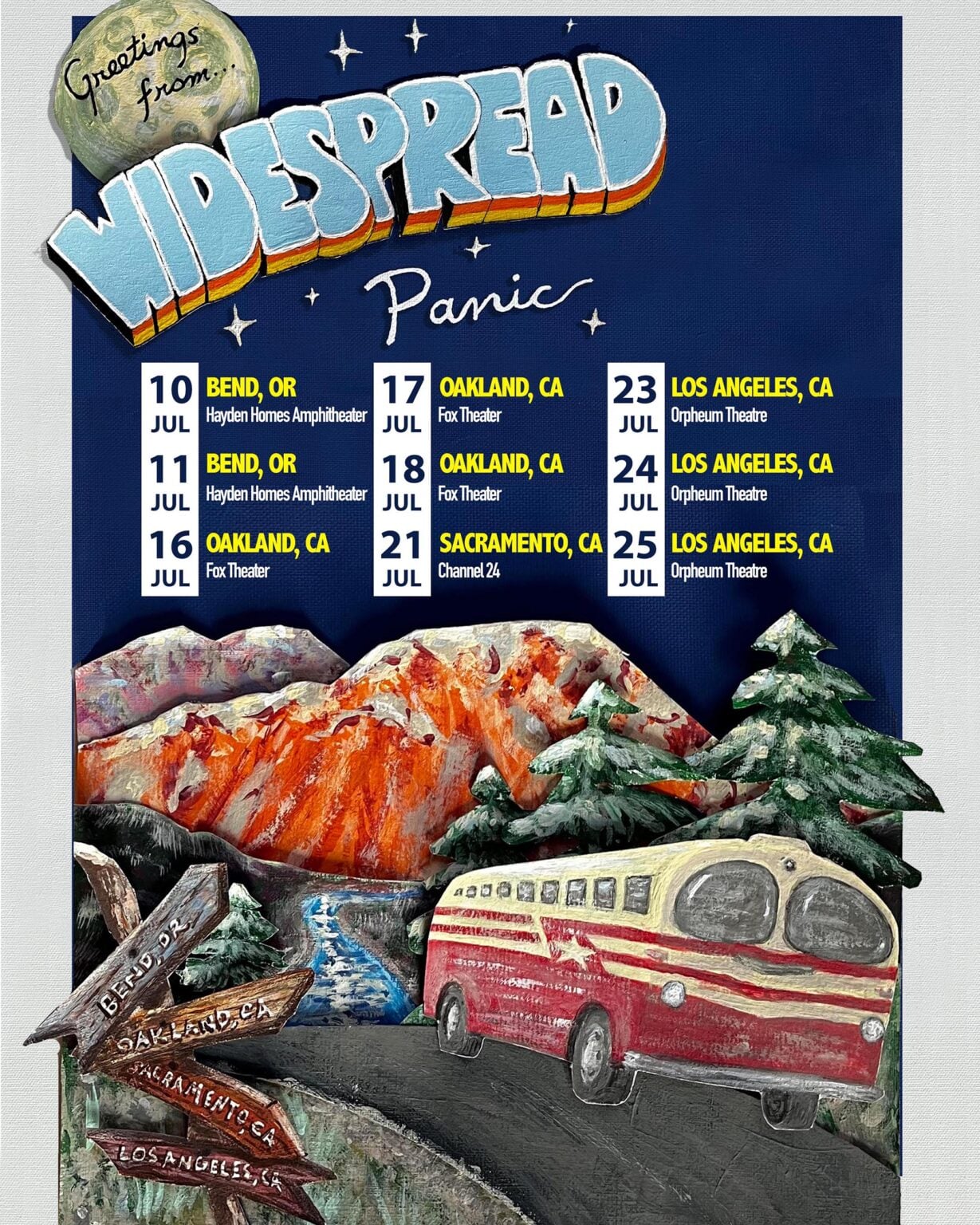
The legendary Athens-born improvisational giants have officially expanded their 2026 touring schedule with the announcement of a two-night stand at Live Oak Bank Pavilion in Wilmington, North Carolina on September 18 and 19. The addition immediately sent waves through the jam-band community, further intensifying what has already become one of the most active and creatively energized touring seasons in recent memory.
For longtime fans, every new Widespread Panic announcement still carries enormous emotional weight.
Very few American bands have cultivated the kind of fiercely devoted touring community Panic has sustained across multiple generations. Decades into their career, the group still commands one of the most passionate live audiences in modern music. Entire fan networks continue traveling city to city following the band’s evolving setlists, improvisational detours, emotional deep cuts, and nightly unpredictability.
That loyalty was never built through commercial trends or mainstream radio dominance.
It was built on the stage.
Night after night. Year after year.
Widespread Panic’s reputation emerged through relentless touring, fearless improvisation, emotional songwriting, and the ability to transform concerts into fully immersive communal experiences where the audience itself becomes part of the performance. The newly announced Wilmington run represents another chapter in that continuing live legacy, arriving during a moment when the broader jam and roots ecosystem appears more creatively alive than it has in years.
Across the country, the entire live music community is surging simultaneously.
Collaborative sit-ins have become one of the defining stories of the current touring season. Jennifer Hartswick, celebrated for her extraordinary work with Trey Anastasio Band, has continued appearing throughout the jam circuit with high-profile guest spots, including standout performances alongside Dark Star Orchestra during the recent Dark Star Jubilee festivities. Hartswick’s ability to move effortlessly between jazz sophistication, rock energy, improvisational spontaneity, and emotional melodic phrasing makes her one of the most respected collaborative musicians in the scene today.
That collaborative spirit continues defining the entire culture.
Legendary drummer Jaimoe, one of the founding rhythmic architects behind The Allman Brothers Band, is also returning to the stage through an upcoming performance with Friends of the Brothers in Fairfield. For generations of improvisational music fans, Jaimoe represents direct connective tissue to the origins of Southern jam culture itself. His drumming helped establish the improvisational framework that countless bands still draw from decades later.
The continued visibility of those foundational figures matters enormously within live music culture because the modern jam and roots scene increasingly operates as an evolving intergenerational conversation rather than a disconnected collection of isolated bands.
The younger generation studies the pioneers. The pioneers embrace the younger innovators. And audiences benefit from both simultaneously.
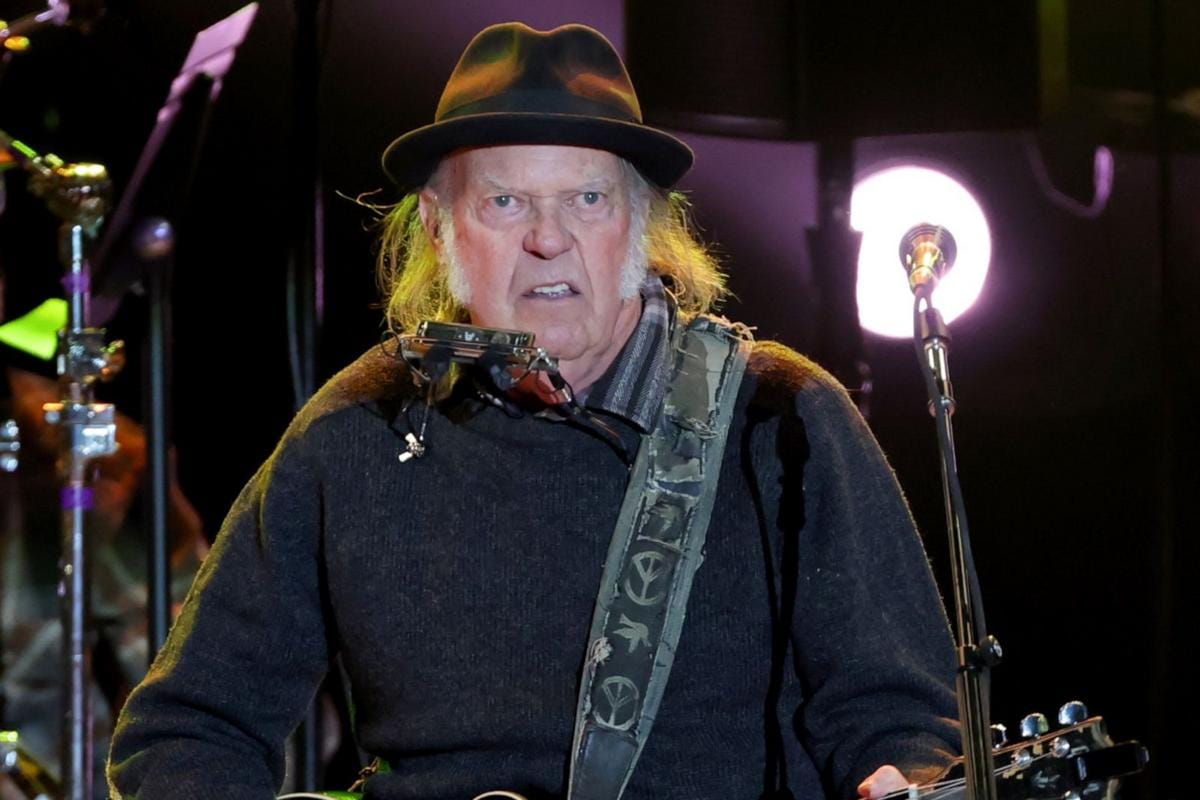
That ongoing cultural continuity appeared again recently when Neil Young unexpectedly returned to the stage for his first live appearance of 2026 during a surprise benefit-show performance. Even after decades of influence spanning folk rock, protest music, grunge, Americana, country rock, and improvisational electric chaos, Young still possesses the ability to completely dominate live music headlines with a single appearance.
That kind of cultural gravity cannot be manufactured.
It is earned through decades of authenticity, risk-taking, and fearless artistic evolution.
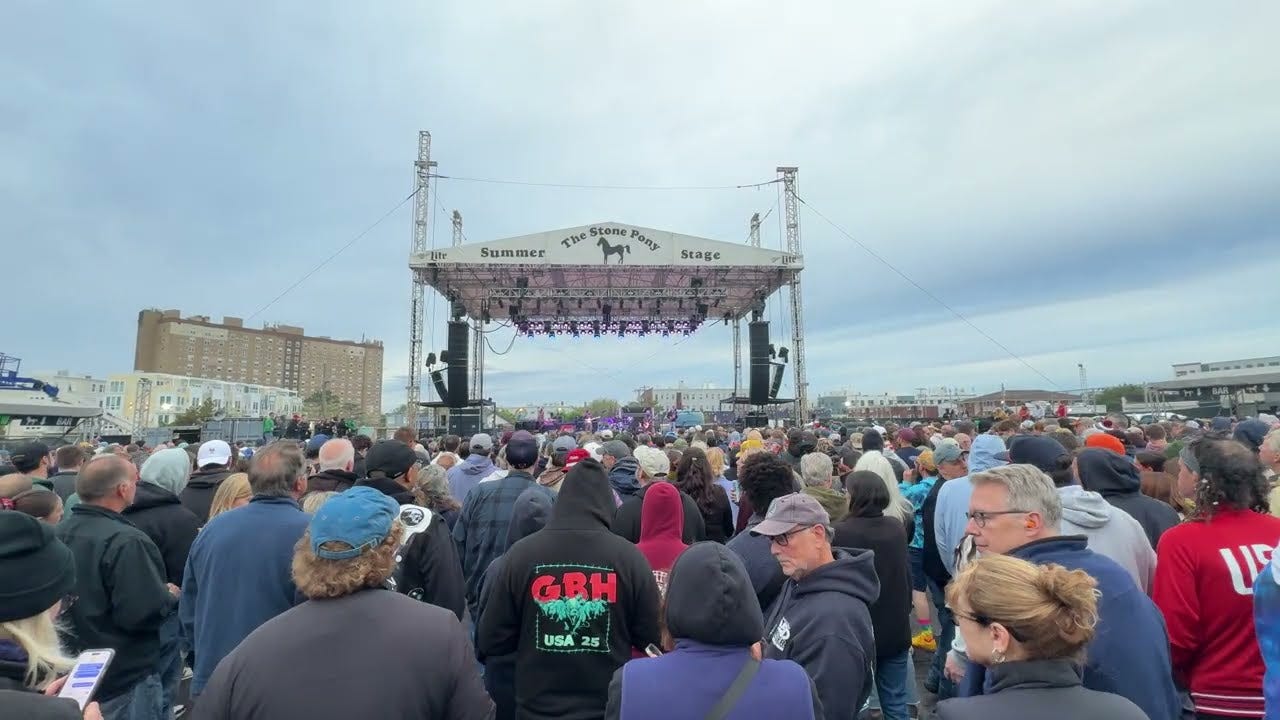
Meanwhile, the current touring season continues producing unforgettable moments throughout the modern jam-band world itself. Joe Russo’s Almost Dead delivered one of the most talked-about surprises of Memorial Day weekend during their Stone Pony Summer Stage performances in Asbury Park when the band dusted off Van Morrison’s “Caravan” for the first time since 2019.
For JRAD fans, moments like that are exactly why the band has become one of the most celebrated improvisational acts operating today.
The group approaches live performance with explosive urgency, blending Grateful Dead material, psychedelic improvisation, progressive rhythmic complexity, jazz-influenced transitions, and spontaneous setlist construction into performances that feel simultaneously reverent and wildly unpredictable. Their version of “Caravan” immediately became one of the most discussed performances of the weekend among dedicated fans and tape collectors alike.
That same adventurous spirit is also visible far outside traditional jam circles.
The Black Crowes continue surprising audiences throughout their latest live runs by weaving unexpected covers and deep-cut selections into their performances alongside classic material. Rather than settling into predictable nostalgia-act territory, the band continues approaching concerts with creative spontaneity and raw rock-and-roll energy.
That commitment to unpredictability increasingly separates truly enduring live acts from artists merely recreating catalog material.
Audiences can feel the difference immediately.
The current festival circuit further reinforces how deeply collaborative modern live music culture has become.
Lotus officially confirmed the lineup for their annual Summerdance gathering, once again positioning the festival as one of the premier destinations within the jamtronica and electronic improvisation world. Festivals like Summerdance increasingly function as immersive multi-day communities rather than simple concert events. Fans arrive seeking connection, discovery, experimentation, and shared cultural experiences extending far beyond individual performances themselves.
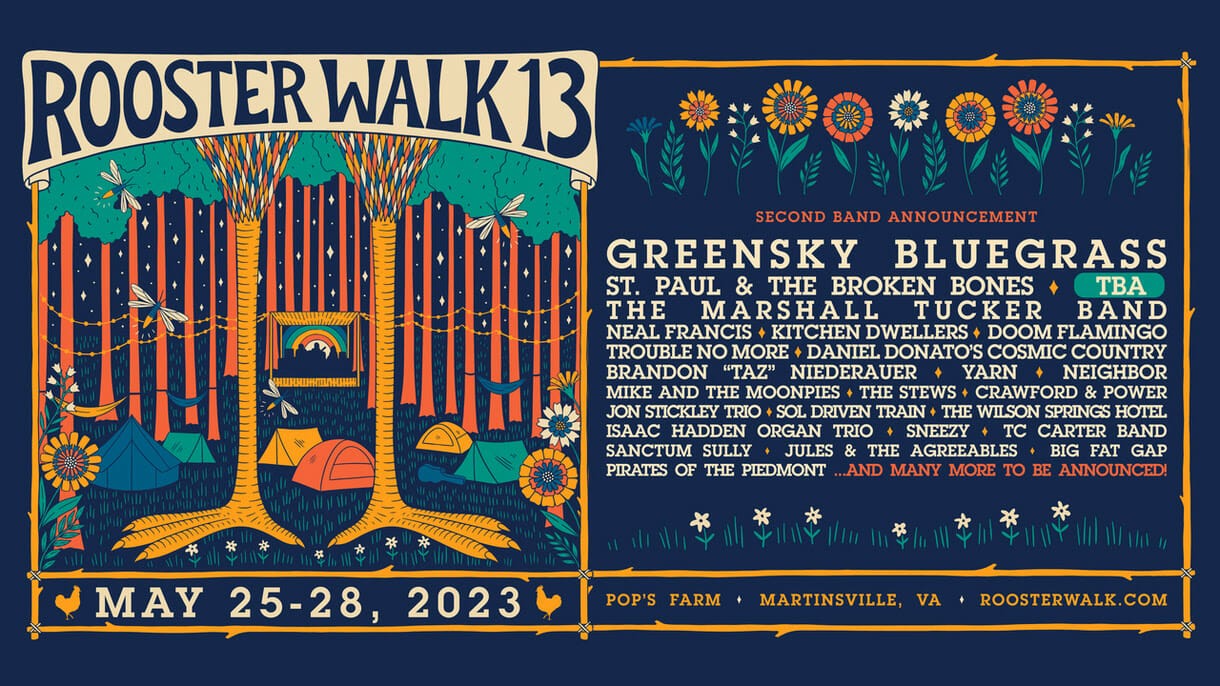
That same spirit exploded throughout the recent Rooster Walk festival, where extensive sit-ins and stage-swapping collaborations blurred genre lines completely. Keller Williams, Daniel Donato’s Cosmic Country, and the Kitchen Dwellers repeatedly crossed paths musically during the weekend, creating the kind of spontaneous collaborations that define the best festival environments.
Daniel Donato in particular continues emerging as one of the most fascinating artists within the evolving roots and improvisational scene.
His “Cosmic Country” approach pulls equally from outlaw country traditions, psychedelic improvisation, Southern rock, jam-band structures, and classic Americana songwriting. The result feels simultaneously nostalgic and futuristic — deeply rooted in American music traditions while refusing to obey traditional genre limitations.
That genre-fluid approach increasingly defines the broader live music ecosystem.
Nowhere is that more visible than within the Adult Alternative Album world, where indie rock, folk, roots, alternative country, psychedelic experimentation, and mainstream songwriting increasingly overlap inside shared touring circuits and festival spaces.
The Roots Picnic arriving this weekend at Belmont Plateau in Philadelphia further demonstrates how expansive modern music culture has become. Featuring headline performances from The Roots, Jay-Z, and Erykah Badu, the festival reflects the growing collapse of rigid genre categorization entirely. Hip-hop, soul, jazz, live improvisation, alternative music, and festival culture now exist side by side naturally because audiences themselves no longer separate music according to outdated industry marketing structures.
Fans simply want emotionally powerful live experiences.
And artists are responding accordingly.
That evolution also explains why new music releases continue carrying enormous significance within touring culture itself.
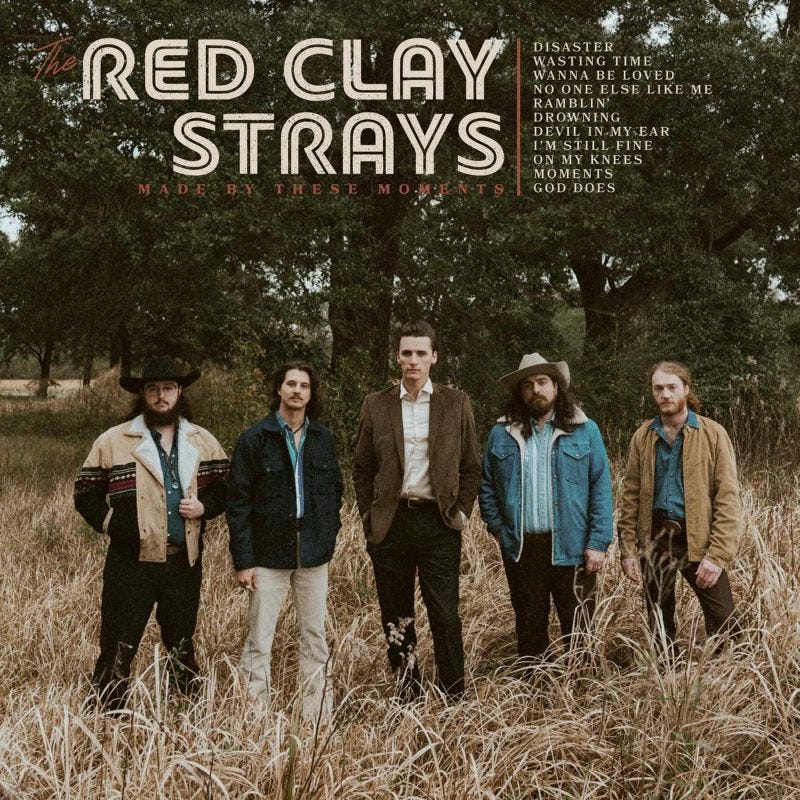
The rapidly rising Red Clay Strays recently announced a major album-release celebration concert at Nashville’s Pinnacle venue in support of their highly anticipated third studio album Grateful. The band’s ascent reflects the extraordinary hunger audiences currently have for emotionally authentic roots-driven songwriting combined with arena-sized live energy.
The Red Clay Strays operate inside a fascinating intersection where Southern rock, Americana, heartland storytelling, gospel influence, country soul, and alternative rock all collide organically. Their growing popularity reflects the broader shift toward emotionally grounded live-oriented music capable of connecting deeply with audiences searching for authenticity.
That same search for authenticity is central to the continuing growth of the NRN Radio Show.
The program has become an increasingly important destination for listeners seeking carefully curated new releases from artists pushing boundaries across AAA, indie rock, roots music, alternative folk, psychedelic songwriting, and emotionally driven live-performance culture. Rather than chasing disposable trend cycles, NRN focuses on spotlighting artists creating meaningful, immersive music built for long-term connection rather than momentary viral exposure.
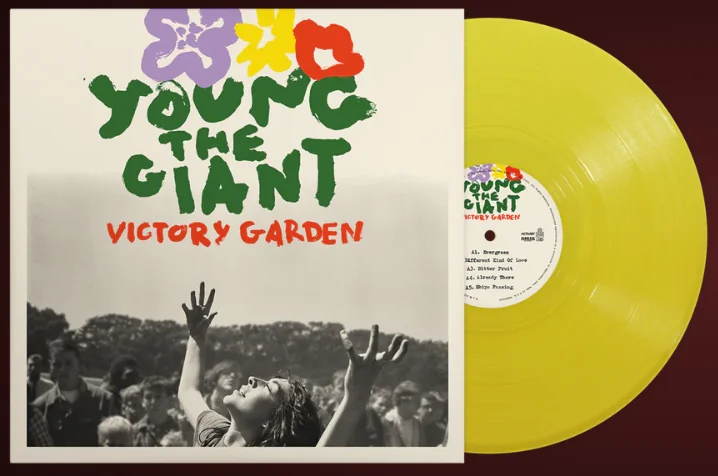
There is a noticeable difference between albums that are constructed and albums that are lived in. One sounds assembled piece by piece until every edge is polished into submission. The other sounds like musicians occupying the same space, reacting to each other in real time, pushing songs forward through instinct, tension, and chemistry. Young the Giant’s Victory Garden belongs firmly in the second category.
Fifteen years into a career that has quietly become one of the most consistent runs in modern alternative rock, the Southern California band has arrived at a record that strips away unnecessary complication and reconnects directly with the strengths that made them matter in the first place. Victory Garden is not interested in reinvention for the sake of headlines. It is interested in connection. The result is one of the most cohesive and emotionally grounded releases of Young the Giant’s career.
Featured as a special handpicked new release presentation on the NRN Radio Show, the album represents a significant artistic statement from a band increasingly focused on reclaiming the power of genuine collaboration, emotional vulnerability, and organic musical chemistry. At a time when modern music production often feels fragmented and hyper-digitized, Victory Garden embraces the beauty of musicians creating together inside shared physical spaces.
That philosophy resonates profoundly with today’s audiences.
Listeners are exhausted by artificiality.
They crave records that sound lived-in, emotional, collaborative, and human.
Young the Giant understands that instinct completely. The band’s evolving sound continues blending expansive indie-rock textures, emotionally layered songwriting, atmospheric arrangements, and deeply collaborative musicianship into music designed not merely for passive listening, but for immersive emotional experience.
That larger movement toward authenticity may ultimately define the entire current era of live music culture.
Audiences want concerts that feel unpredictable.
They want albums that sound personal.
They want collaborations that happen organically.
They want festivals that create temporary communities.
They want artists willing to take risks rather than simply reproduce formulas.
And increasingly, they are finding exactly that.
The modern live music world has become one giant interconnected conversation between genres, generations, touring communities, festival cultures, independent radio, improvisational experimentation, and emotionally fearless artists determined to keep pushing forward creatively.
JamFest exists directly inside the center of that movement.
Whether it is Widespread Panic announcing new tour dates, Young the Giant embracing collaborative reinvention, JRAD reviving forgotten covers, Lotus building immersive festival environments, Daniel Donato reshaping country music expectations, or Neil Young unexpectedly returning to the stage, the underlying story remains the same.
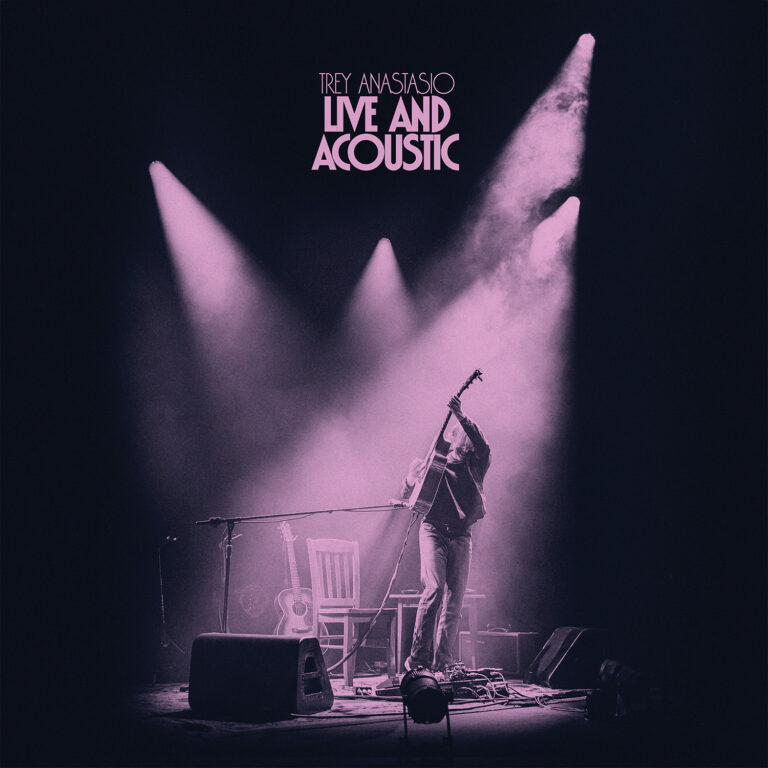
Trey Anastasio Reframes a Legendary Catalog with Live and Acoustic as the 2026 Tour Signals a Defining Moment for the Modern Jam Landscape and NRN Radio Show
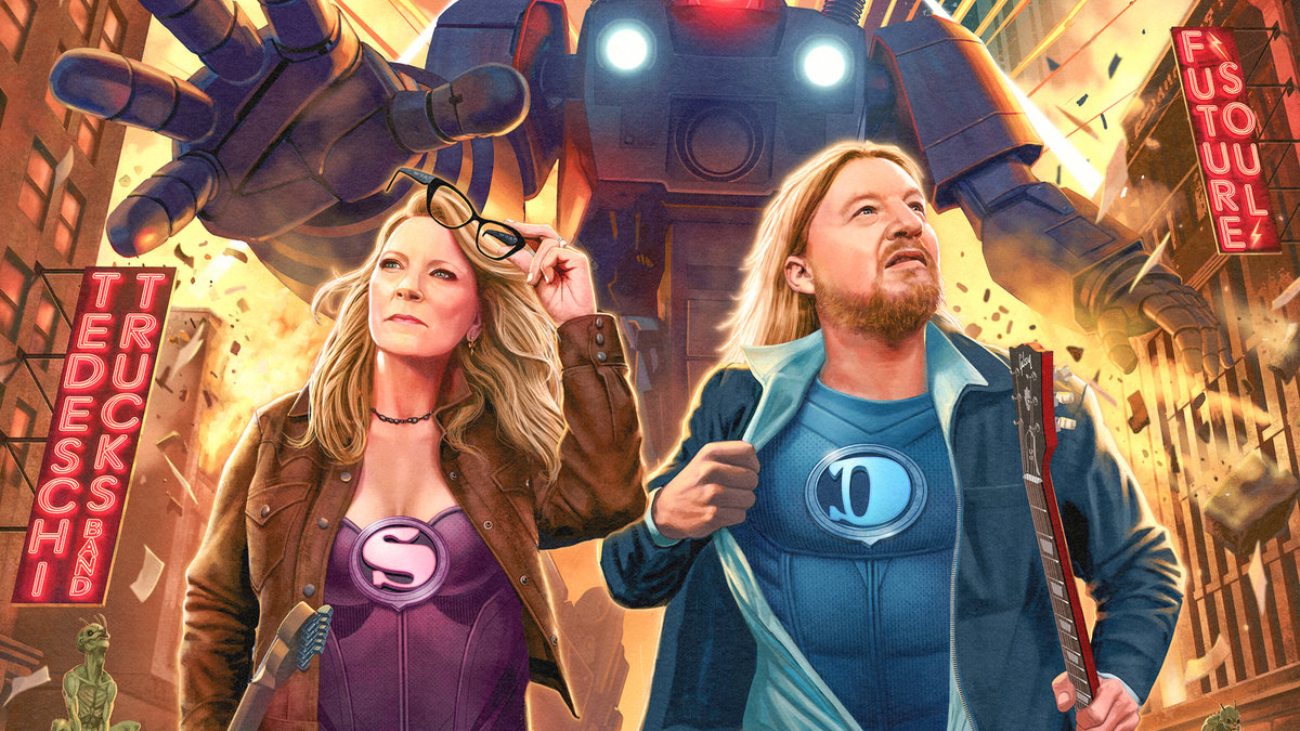
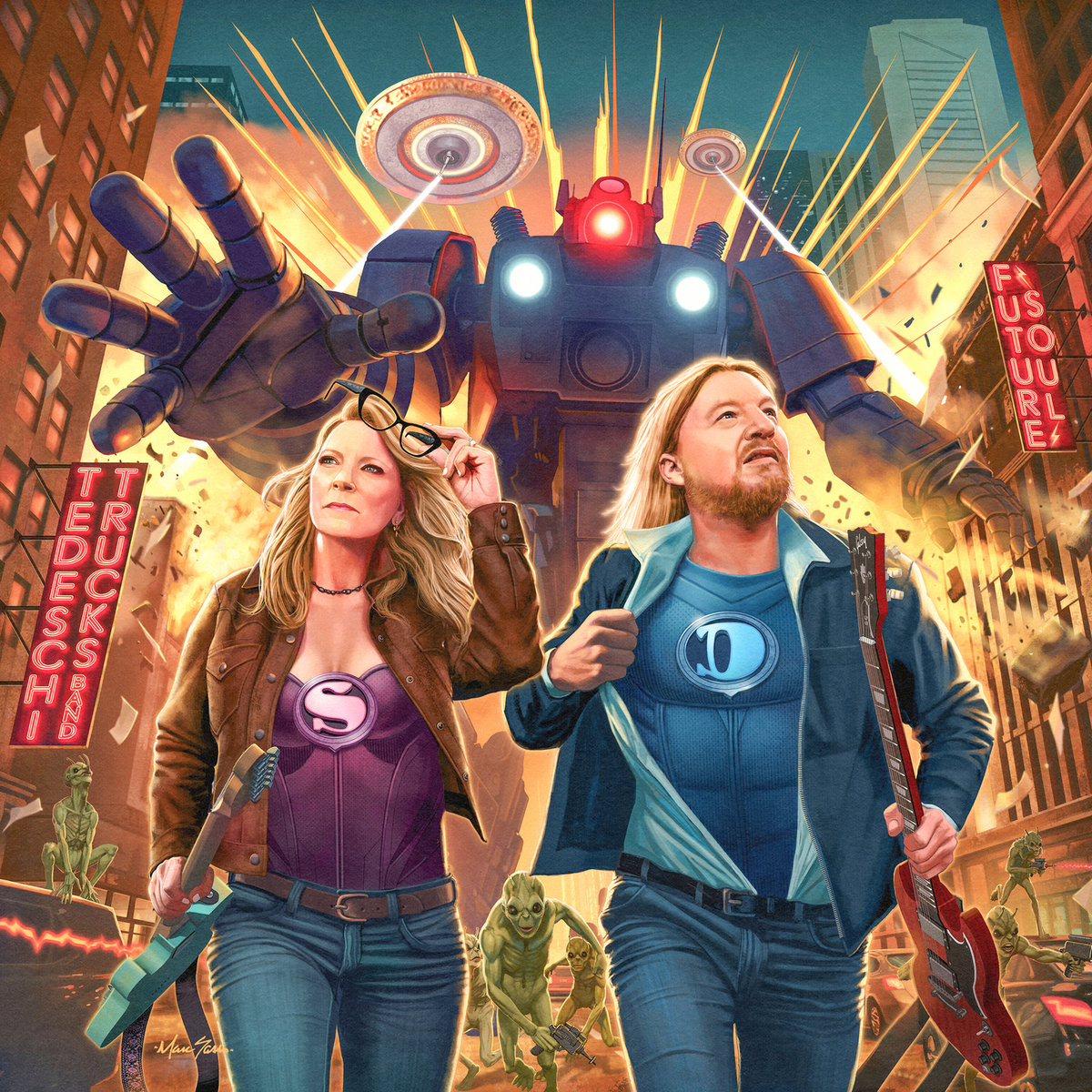
Tedeschi Trucks Band Ignite a New Era with Future Soul — A Defining Release That Expands the Modern Jam Landscape and Powers the Soundtrack of the NRN Radio Show
The live music cycle continues to move at a steady pace, with major festivals wrapping up, new events approaching, and global tours expanding. This past week reflects how festivals, touring, and local scenes all operate together as part of the same ecosystem, where live performance remains the primary driver of audience engagement.
First, U2’s Days Of Ash EP Arrives as a Defining Cultural Statement—Now Center Stage on JamFest’s Rock NRN Radio Show Tonight at 9PM EST
Big Ears Festival 2026 in Knoxville ran from March 26 through March 29 and drew approximately 35,000 attendees. The festival focused on experimental and cross-genre programming, with performances from David Byrne, Robert Plant, Laurie Anderson, and Flying Lotus. Its structure continues to emphasize curated sets over traditional genre segmentation, making it a consistent influence on artists working outside conventional formats.
Ultra Music Festival 2026 in Miami took place March 27 through March 29 and maintained its position as a leading electronic music event. Headlining performances from John Summit, Major Lazer, and Armin Van Buuren drove both in-person attendance and global streaming activity. Tomorrowland Winter also concluded recently, continuing to expand the reach of electronic festival programming into nontraditional seasonal environments.
Coachella 2026 is entering its final preparation phase ahead of its April 10 through April 12 and April 17 through April 19 weekends in Indio. Current focus includes logistics, vendor coordination, and expanded on-site experiences. As in previous years, Coachella is expected to set benchmarks not only for attendance, but for production scale and cross-industry visibility.
CMA Fest 2026 has begun rolling out its daytime stage lineup, confirming artists including Luke Bryan, Keith Urban, and Shaboozey. The event continues to balance established acts with newer artists, maintaining its role as a key platform within country music.
On the touring side, several major announcements are shaping the upcoming months. Céline Dion confirmed her return to live performance with newly announced Paris dates following a public appearance at the Eiffel Tower on March 30. Lisa of Blackpink announced her Las Vegas residency, Viva La Lisa, at Caesars Palace, scheduled for two weekends in November 2026. BTS debuted their album Arirang at number one on the Billboard 200 and is set to begin a U.S. stadium tour in April, with stops in Florida, California, and Texas. Post Malone continues to expand his touring footprint, appearing at the NCAA March Madness Music Festival and continuing the Big Ass Stadium Tour with Jelly Roll through July.
At the regional level, live music activity remains consistent. On April 3, 4 Tha Culture takes place at The Union Firehouse in New Jersey, featuring Zu-Life and DreArtist. The same night, Bent Iron Brewing hosts First Friday Music, a recurring event centered on original performances curated by Mick Chorba. On April 4, The Union Firehouse presents Yell at God, a folk punk show featuring Brook Pridemore. On April 11, Primos Del Este brings a Latino music festival to Lighthouse Field in Pennsylvania, with Banda Renovación and additional performers.
This activity aligns directly with JamFest programming, particularly Festival Radio. Every Thursday night is Festival Night, an extended broadcast featuring over eight hours of continuous live recordings sourced from major music festivals. Each track is a live performance, reflecting actual sets rather than studio versions. The format focuses on preserving the structure and energy of festival performances, allowing listeners to experience full segments as they occurred.
Festival Night is designed to mirror the range of the live circuit, from electronic headline sets to jam band improvisation and large-scale festival closers. The intent is straightforward, present live music as it was performed, without alteration, and maintain continuity across genres and events.
The broader takeaway from this week is clear. Festivals continue to anchor the live music economy, major artists are prioritizing touring and residencies, and local venues remain active in supporting emerging and regional acts. JamFest remains positioned within that structure, focusing on live performance as the central element of its programming.
There are artists who chase trends. And then there are artists who follow an internal compass so precisely that decades later, their work still feels urgent