The Radiators 2.0 Lock In a Three Night Debut Run at Tipitina’s in January 2027
New Orleans’ legendary swamp rockers return to the club that made them, with Dave Malone, Camile Baudoin, Reggie Scanlan, and Frank Bua Jr. back on stage together.
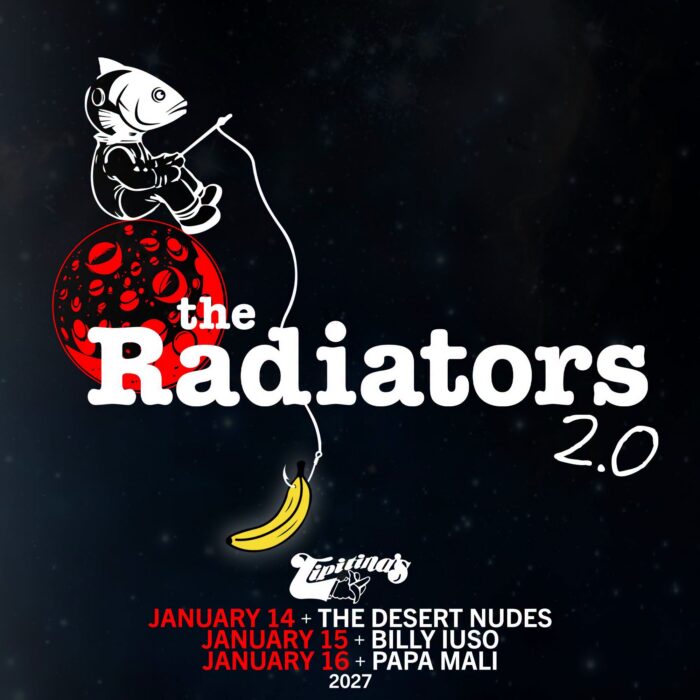
Dates: January 14 to 16, 2027Venue: Tipitina’s, New OrleansOn Sale: Today, 10 AM CT
It is official: The Radiators 2.0 will take over the historic Tipitina’s in New Orleans for three nights, January 14th through the 16th, 2027. The run is the debut of the new moniker for the legendary swamp rock band, and it brings four of the original members back together in the room where so much of the group’s legend was built. Because it is the first multi night stand under the new name, strong ticket demand is expected.
The Lineup
The returning originals are Dave Malone on guitar and vocals, Camile Baudoin on guitar and vocals, Reggie Scanlan on bass, and Frank Bua Jr. on drums. The keyboard chair belongs to Michael Burkart, who steps in to handle the songbook. Co founder and primary songwriter Ed Volker, who retired from regular touring in 2011, has given the new iteration his full blessing. Malone has indicated that guests and a percussionist may join, and Mark Mullins is set to sit in on the first two nights. The musicians have also played together before as Raw Oyster Cult.
The Radiators formed in 1978 and split in 2011, and since then they have regrouped for select shows, usually in January and around Jazz Fest. Their most recent appearance was at the New Orleans Jazz and Heritage Festival in May.
Four original Radiators, a new keyboardist, and the blessing of the man who wrote the songs.
Who Opens Each Night
A different New Orleans scene mainstay opens every evening. On Thursday, January 14th, it is The Desert Nudes. Friday, January 15th brings Billy Iuso, and Saturday, January 16th features Papa Mali.
Tickets and Showtimes
Tickets go on sale to the general public today, Friday, October 30, 2026, at 10 AM Central time through the Tipitina’s ticketing page. Doors open at 8 PM and the music begins at 9 PM each night, and all three shows are for ages 18 and over. A two night pass covering Friday and Saturday is also available.
Tonight on JamFest
Hear the Sound of New Orleans Tonight on the What Is Hip?! Radio Show
If the Radiators news has you in a New Orleans mood, JamFest has the perfect companion tonight. The What Is Hip?! Radio Show brings NOLA style music to the airwaves every Friday night, beginning at 10 PM Eastern and running until 9 AM on Saturday morning.
New Orleans is universally considered the birthplace of jazz, and its earliest form, Dixieland, has also been called traditional jazz, New Orleans, and New Orleans jazz. Few cities in the world have shaped modern music culture the way New Orleans has. The sound of the city, often described simply as the NOLA style, is not confined to one genre. It is a living musical ecosystem in which funk, brass band traditions, Treme street music, rhythm and blues, zydeco, second line grooves, and classic New Orleans soul intersect to create one of the most recognizable musical identities anywhere. Tune in to JamFest tonight and let the Treme brass, the zydeco, and the NOLA groove come alive.
Grahame Lesh Recruits Warren Haynes, Neal Francis and More for a Mardi Gras Celebration at the Bill Graham Civic Auditorium
A New Orleans style blowout lands in San Francisco on Saturday, February 6, 2027, and tickets go on sale this morning.
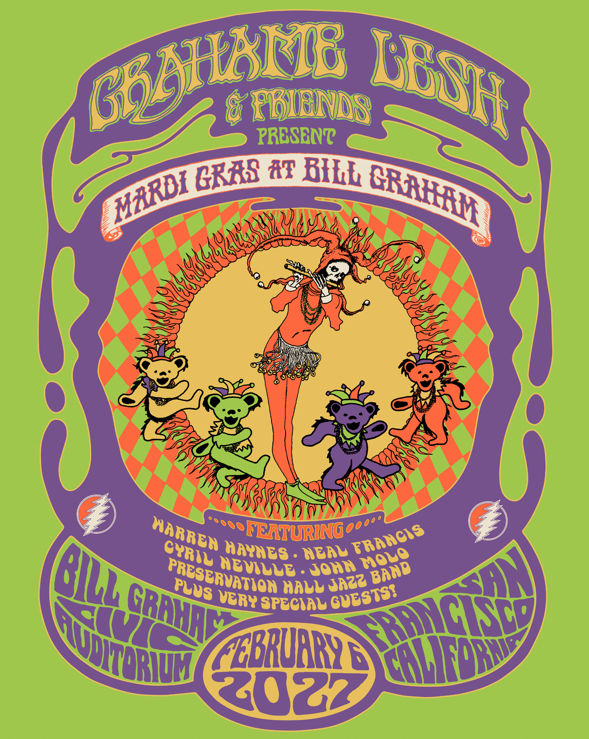
Date: Saturday, February 6, 2027Venue: Bill Graham Civic Auditorium, San FranciscoOn Sale: Today, 10 AM PT
Grahame Lesh and Friends have officially announced a major New Orleans style Mardi Gras celebration for Saturday, February 6, 2027, at San Francisco’s iconic Bill Graham Civic Auditorium. The evening is built around a deep roster of special guests, led by Warren Haynes and Neal Francis, and it carries forward a decades long Grateful Dead community tradition of enormous Bay Area Mardi Gras parties. For Lesh, stepping into that role also means stepping into the mantle once held by his late father, Phil Lesh, whose name has long been tied to the celebrations that fill the city with brass, funk, and second line spirit every winter.
The All Star Lineup
Warren Haynes, the voice and guitar behind Gov’t Mule and a longtime member of the Allman Brothers Band, headlines the guest list alongside the Chicago soul and piano stylist Neal Francis. They are joined by Cyril Neville of the Neville Brothers, a living link to the first family of New Orleans music, and by drummer John Molo, whose résumé includes Phil Lesh and Friends and Bruce Hornsby and the Range. The Preservation Hall Jazz Band rounds out the announced names, bringing the sound of the French Quarter’s most famous traditional jazz hall to the West Coast. The camp says additional very special guests will be named later, so the final lineup is still growing.
Funk, brass, and second line grooves, with a Grateful Dead family tradition at the center of it all.
Hear the Sound of New Orleans Tonight on the What Is Hip?! Radio Show
If the Mardi Gras news has you craving the real thing, JamFest has you covered tonight. The What Is Hip?! Radio Show brings NOLA style music to the airwaves every Friday night, beginning at 10 PM Eastern and running until 9 AM on Saturday morning.
New Orleans is widely considered the birthplace of jazz, and its earliest form, Dixieland, has also been called traditional jazz, New Orleans jazz, or simply New Orleans. Few cities have shaped modern music culture the way this one has. The NOLA sound is not a single genre but a living musical ecosystem in which funk, brass band traditions, Treme street music, rhythm and blues, zydeco, second line grooves, and classic New Orleans soul all meet and feed one another. Tune in to JamFest tonight and let the Treme brass, the zydeco, and the NOLA groove come alive.
JamFest Radio • Weekly Newsletter • September 18, 2026
moe. Goes Intimate, Wilco Returns to Chicago, Warren Haynes Records with an Orchestra, Gov’t Mule Tours with Ziggy Marley, and New Orleans Is Wide Open Tonight
What Is Hip?! Radio Show • Every Friday Night on JamFest • JamFestRadio.com
Tonight on JamFest • What Is Hip?! Radio Show
NOLA style music every Friday night. New Orleans, Louisiana is universally considered the birthplace of jazz, and the sound of the city has never been confined to a single genre. Instead it represents a living musical ecosystem where funk, brass band traditions, Treme street music, rhythm and blues, zydeco, second-line grooves, and classic New Orleans soul intersect to create one of the most recognizable musical identities anywhere in the world. JamFest celebrates the sound of New Orleans every Friday night with the What Is Hip?! Radio Show, and tonight the NOLA groove comes alive as it always does, louder and deeper and more joyful than anything else on the radio.
What Is Hip?! Radio Show
Every Friday Night • JamFest Radio
Funk • Treme Brass • Zydeco • NOLA Soul • Second Line
Stream Live: JamFestRadio.com • Also on TuneIn
moe. • An Intimate Evening • December 2026
Veteran jamband moe. is closing out 2026 the way only a band with this much history and this much confidence in their audience can: by deliberately making themselves harder to see. Their eight-night December run, presented by Relix and billed as An Intimate Evening with moe., is built around the smallest, most restricted-capacity spaces the band has played in years. This is not a band that cannot fill larger rooms. This is a band that has decided, specifically and intentionally, that the end of a significant year deserves something more personal than an arena show, and that the audience willing to work for a ticket to a 300-person room in Chicago or a 500-person room in Woodstock deserves a different and more direct version of the moe. experience than the one available at a major festival.
The December run opens at the Bearsville Theater in Woodstock, New York on December 11 and 12, a 500-person capacity venue with a history and an atmosphere that suits the intimate format perfectly. The middle three nights, December 14 through 16, are being kept entirely secret, with the location and the venue deliberately unrevealed until closer to the dates, a choice that creates the kind of anticipation and community speculation that only a band with a deeply devoted following can sustain. The final three nights, December 18 through 20, take place at Garcia’s Chicago, a brand-new 300-capacity room in the West Loop that is making its statement as a serious live music destination by booking moe. for its inaugural calendar. Tickets for all dates go on sale today, Friday September 18, at 10 AM local time via Ticketmaster and eTix. Given the room sizes, they are expected to sell out within minutes.
moe. Intimate Evening December 2026
Dec 11–12 — Bearsville Theater, Woodstock, NY (500-capacity)
Dec 14–16 — Secret venue — Location TBA
Dec 18–20 — Garcia’s Chicago, Chicago, IL (300-capacity)
On sale today, September 18 at 10 AM local • Ticketmaster & eTix
Presented by Relix
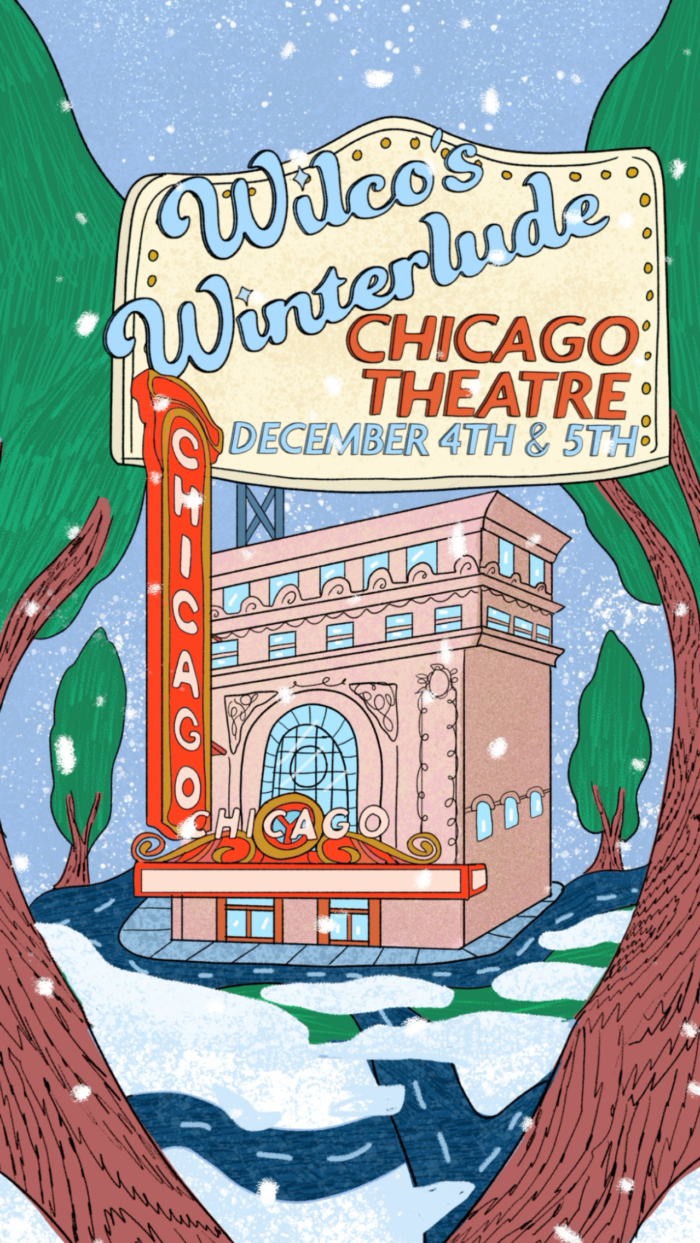
Wilco • Winterlude Returns to Chicago • December 4–5
For the first time since 2019, Wilco is bringing their cherished Winterlude residency back to Chicago, and the return carries the specific emotional weight of something that was paused by the pandemic and is now, seven years later, being reclaimed. Wilco and Chicago have a relationship that goes deeper than a band and its home city. Jeff Tweedy and the rotating constellation of extraordinary musicians that has constituted Wilco across three decades of recording and performing are genuinely of this city in ways that their music reflects constantly, in the specificity of the imagery and the emotional directness of the songwriting and the particular kind of Midwestern melancholy and humor that runs underneath even their most experimentally ambitious records.
The Winterlude tradition places that relationship in the most direct possible context: two nights at the Chicago Theatre on State Street on December 4 and 5, in a room that honors the music being played inside it with architecture and acoustics that a city builds only when it has decided that live performance deserves a space equal to its cultural importance. General public tickets go on sale today, Friday September 18, at 10 AM Central Time through Ticketmaster. Given that this is the first traditional Winterlude in Chicago since before the pandemic, the tickets are expected to move quickly once the public window opens.
Wilco Winterlude 2026
Friday, December 4 & Saturday, December 5, 2026
The Chicago Theatre, State Street, Chicago, IL
General public on sale: September 18 at 10 AM CT • Ticketmaster
First Chicago Winterlude since 2019
Thievery Corporation • 30th Anniversary Finale • 9:30 Club, Washington D.C.
Thievery Corporation formed in Washington D.C. in 1995, and thirty years later they are closing their anniversary year by coming home. The three-night finale of their 30th Anniversary Tour takes place at the 9:30 Club, the venue that has been the beating heart of the D.C. underground since 1980 and that has hosted more significant moments in the city’s music history than any other room in the region, on December 19, 20, and 21, 2026. The choice of the 9:30 Club over a larger venue is deliberate and meaningful. Thievery Corporation could fill a significantly bigger space in their hometown, but the intimacy of the 9:30 Club and its specific relationship to the D.C. music community makes it the appropriate setting for a celebration of this kind.
Before arriving in D.C. for the finale, the December leg of the anniversary tour takes the band through Nashville, Atlanta, two nights in Asheville, Charlottesville, and Richmond, a southeastern run that honors the regional community that has supported Thievery Corporation across three decades of touring. General public tickets for all dates go on sale today, Friday September 18, at 12 PM local time through Ticketmaster and AXS.
Thievery Corporation 30th Anniversary Finale
Dec 19–21, 2026 — 9:30 Club, Washington, D.C.
December leg also includes: Nashville • Atlanta • Asheville (2 nights) • Charlottesville • Richmond
On sale today September 18 at 12 PM local • Ticketmaster & AXS
Warren Haynes • Dreams & Songs • Out September 18
Warren Haynes releases Dreams & Songs today, September 18, and the record represents something genuinely different in his catalog: a live symphonic recording made in his hometown of Asheville, North Carolina, alongside the 64-piece Asheville Symphony Orchestra. The album spans 16 tracks, bringing new orchestral dimension to Haynes’ songs while celebrating the place that has shaped so much of his musical life across a career that has taken him through the Allman Brothers Band, Gov’t Mule, and dozens of the most significant collaborative projects in American rock and blues.
The collaborators on the record reflect the breadth of Haynes’ musical relationships: Oteil Burbridge, John Medeski, Jeff Sipe, Greg Osby, Edwin McCain, and Jasmine Muhammad all appear alongside the Asheville Symphony, with conductor Rich Daniels leading the orchestra through arrangements that honor the emotional directness of Haynes’ songwriting while expanding its sonic architecture in ways that a standard rock configuration cannot achieve. The album is available as a limited-edition 3-LP peach vinyl and in CD format. A behind-the-scenes short filmed by Fiasco Media during rehearsals for the Asheville performance premieres today on YouTube, featuring never-before-seen footage of Haynes working alongside the orchestra with commentary from Rich Daniels.
Warren Haynes: Dreams & Songs + Upcoming Dates
Dreams & Songs — Out Today, September 18, 2026
Available: Limited 3-LP Peach Vinyl • CD • All streaming platforms
Behind the scenes video: Watch on YouTube
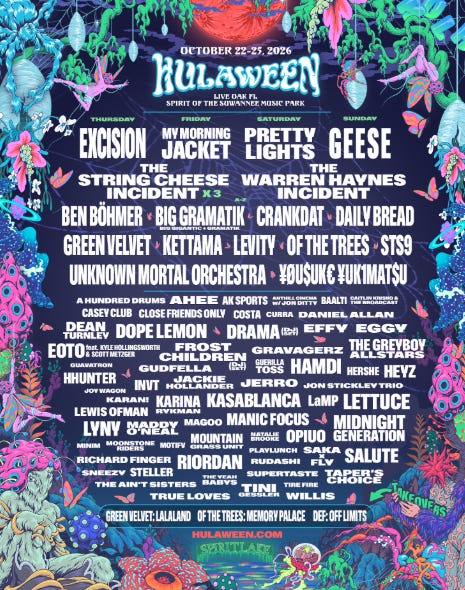
Oct 22–25 — Suwannee Hulaween — The Warren Haynes Incident w/ String Cheese Incident
March 11 & 12, 2027 — Schermerhorn Symphony Center, Nashville, TN w/ The Nashville Symphony
Gov’t Mule • Fall Tour with Ziggy Marley • NYE in Boston
Gov’t Mule is in the midst of one of the more intriguing touring configurations of the fall season, running a co-headlining run alongside reggae legend Ziggy Marley across a sweeping September and October itinerary that takes them from New York City to South Florida and across the Gulf Coast to Texas. The combination of Warren Haynes’ blues-drenched Southern rock and Marley’s reggae and world music sensibility is one that works better than it might look on paper, because both artists draw from traditions that have always understood rhythm and improvisation and the specific power of music that insists on being felt in the body before it is processed by the mind. The tour opens September 23 at The Rooftop at Pier 17 in New York City and runs through October 17 in Irving, Texas, with stops at major amphitheaters and performing arts venues across Florida, the Southeast, and the Gulf Coast.
Beyond the fall run, Gov’t Mule has locked in their New Year’s Eve celebration at MGM Music Hall at Fenway in Boston on December 31, billed as Gov’t Mule and Friends, which carries the specific promise of that billing: a night of guests, surprises, and the kind of extended, celebratory playing that Haynes and the Mule reserve for the occasions that deserve it most. And looking ahead to January 2027, the band appears on the lineup for Royalton Hideaway Blue Waters in Trelawny, Jamaica alongside moe. and Daniel Donato’s Cosmic Country, a destination event that places three very different but deeply compatible musical worlds on the same tropical schedule.
Gov’t Mule Fall 2026 Tour Dates
Sept 23 — The Rooftop at Pier 17, New York, NY w/ Ziggy Marley
Sept 25 — Hellbender, Asheville, NC w/ Ziggy Marley
Sept 26 — Red Hat Amphitheater, Raleigh, NC w/ Ziggy Marley
Sept 27 — Allianz Amphitheater at Riverfront, Richmond, VA w/ Ziggy Marley
Sept 30 — Coffee Butler Amphitheater, Key West, FL w/ Ziggy Marley
Oct 2 — Seminole Hard Rock, Hollywood, FL w/ Ziggy Marley
Oct 3 — St. Augustine Amphitheatre, St. Augustine, FL w/ Ziggy Marley
Oct 4 — The BayCare Sound, Clearwater, FL w/ Ziggy Marley
Oct 6 — Barbara B. Mann PAH, Fort Myers, FL w/ Ziggy Marley
Oct 7 — Adderley Amphitheater, Tallahassee, FL w/ Ziggy Marley
Oct 9 — Mercedes-Benz Amphitheater, Tuscaloosa, AL w/ Ziggy Marley & Larkin Poe
Oct 10 — Coca-Cola Roxy, Atlanta, GA w/ Ziggy Marley
Oct 11 — L’Auberge Casino, Baton Rouge, LA
Oct 13 — Smart Financial Centre, Sugar Land, TX w/ Ziggy Marley
Oct 14 — Majestic Amphitheater, San Antonio, TX w/ Ziggy Marley
Oct 15 — Moody Amphitheater, Austin, TX w/ Ziggy Marley
Oct 17 — The Pavilion at Toyota Music Factory, Irving, TX w/ Ziggy Marley
Dec 31 — MGM Music Hall at Fenway, Boston, MA — Gov’t Mule + Friends
Jan 17–21, 2027 — Royalton Hideaway, Trelawny, Jamaica w/ moe. & Daniel Donato’s Cosmic Country
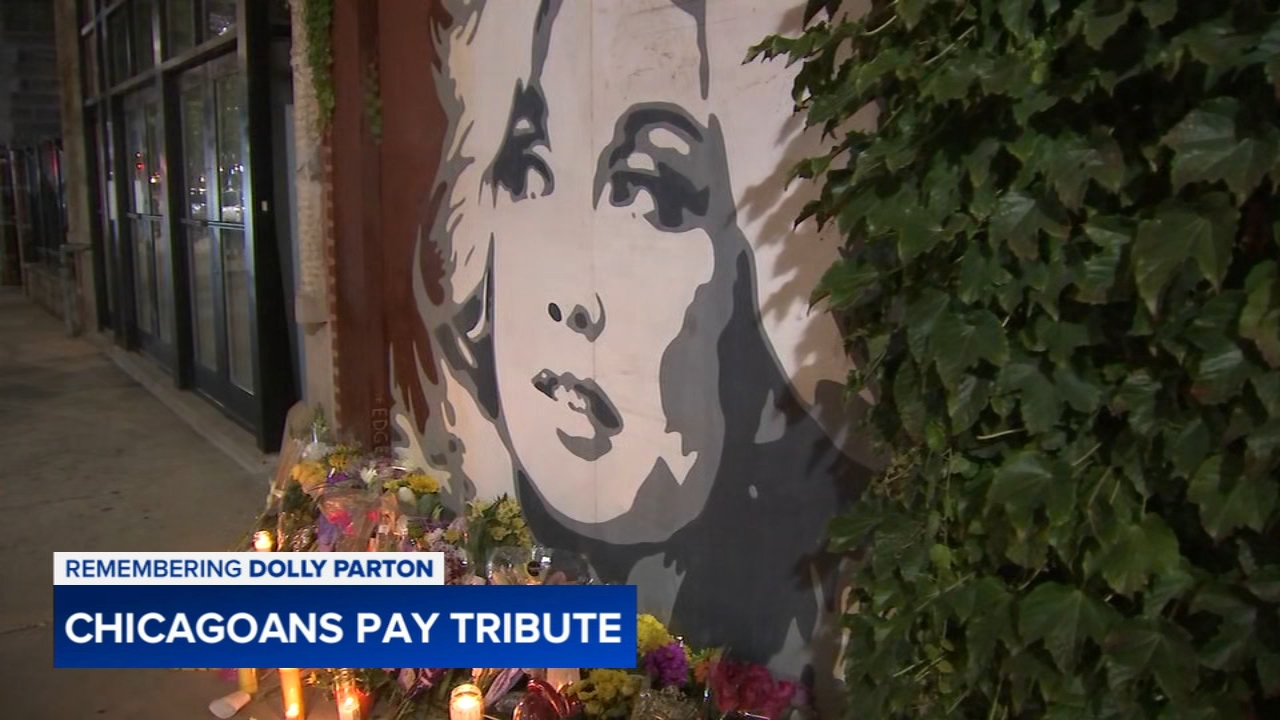
Dolly Parton Tributes • Tedeschi Trucks Band • “Bound to Ride”
The musical community’s ongoing tribute to Dolly Parton produced two significant moments this week that together demonstrate the breadth and depth of her influence across genres that she never claimed as her primary territory but that have always understood her as one of their own. During their two-night headlining run at Wolf Trap in Vienna, Virginia, the Tedeschi Trucks Band debuted a three-part vocal harmony arrangement of Parton’s “Wildflowers,” delivered by Susan Tedeschi, Alecia Chakour, and Gabe Dixon with a stark beauty that honored both the song and the artist who originally recorded it alongside Emmylou Harris and Linda Ronstadt for their 1987 Trio album. The choice of “Wildflowers” was deliberate, a nod to Parton’s restless creative spirit and her deep roots in the folk and country traditions that have always intersected with the Americana and roots-rock world that the Tedeschi Trucks Band inhabits.
On the studio side, a posthumous Parton collaboration is set to appear on the upcoming tribute compilation Where the Soul Never Dies: Celebrating 80 Years of The Stanley Brothers, releasing October 16, 2026. The track, “Bound to Ride,” features Parton alongside Molly Tuttle, Sierra Hull, Alison Brown, Becky Buller, and Missy Raines, a gathering of some of the most accomplished women in contemporary bluegrass and acoustic music that honors both the Stanley Brothers tradition and Parton’s own deep roots in that tradition.
Eyes of the World • Jerry Garcia Immersive Exhibition • Launching 2027
The announcement of Eyes of the World: The Jerry Garcia Experience represents the realization of something Garcia himself began developing more than thirty years ago alongside author Ken Kesey and film producer Cary Granat. The 40,000-square-foot immersive traveling exhibition, sanctioned by the Garcia estate and developed in partnership with his daughter Keelin and former wife Manasha, will launch in San Francisco in early 2027 before moving to Chicago, Nashville, New York City, and Los Angeles. It is the largest and most comprehensive immersive experience ever built around a single musical figure, and the fact that Garcia helped conceive its foundational structure decades before its realization gives it an authenticity and an intentionality that purely estate-driven projects rarely achieve.
The exhibition is built across eight distinct immersive rooms constructed from Garcia’s own voice recordings, personal writings, musings, and visual artwork, charting his life from Haight-Ashbury in 1966 through his later passions including ocean conservation and scuba diving. The culminating space hosts live music sets from rotating Jerry Garcia tribute bands, giving the exhibition a living, breathing musical dimension that connects the archival with the immediate in a way that honors how Garcia himself thought about music: as something that should always be happening, always alive, always in the present tense regardless of who is playing it. Ticket dates and venue coordinates will be formally announced through JamBase and other music hubs this autumn, with proceeds partially benefiting the Jerry Garcia Foundation’s music education and environmental preservation work.
Eyes of the World: The Jerry Garcia Experience
40,000 sq ft • 8 immersive rooms • Live music finale space
Launch: San Francisco, Early 2027
Tour: Chicago • Nashville • New York City • Los Angeles
Developed from Garcia’s own original concept • Sanctioned by the estate
Tickets and dates: Coming this autumn via JamBase
Quick Hits • Cavern Sessions • Billy Strings on Austin City Limits
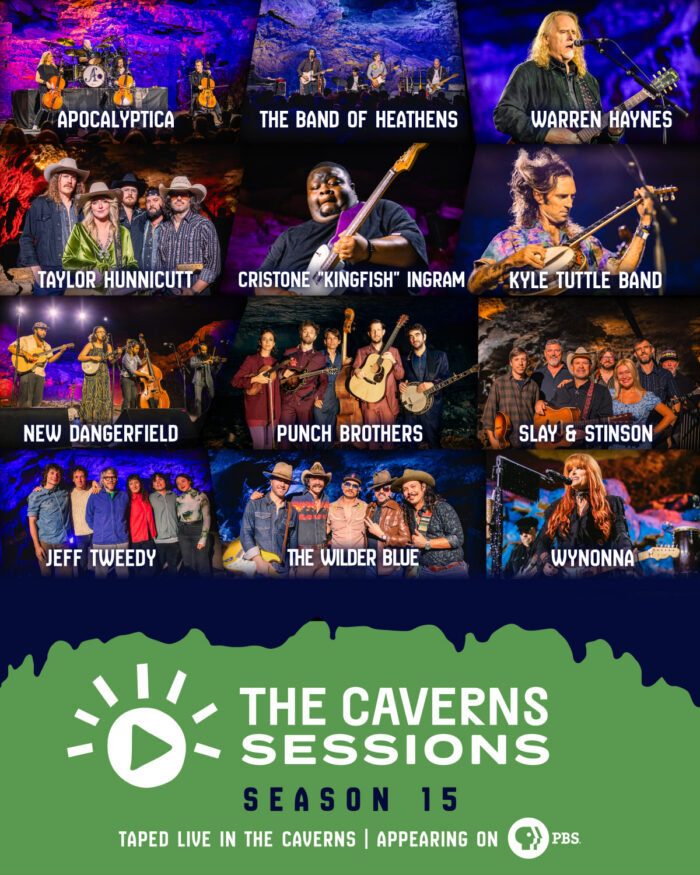
PBS has confirmed the Season 15 lineup for The Cavern Sessions, the long-running performance series taped deep inside Cumberland Caverns in Tennessee, and the jam-adjacent presence this season is significant: Warren Haynes and Wilco’s Jeff Tweedy are among the featured artists. Meanwhile, ahead of the Austin City Limits Season 52 premiere, an in-depth profile of Billy Strings has dropped covering his injury recovery, his creative process, and a preview of his new album. The profile represents the kind of mainstream public television attention that confirms what the roots and bluegrass community has known for years: Billy Strings is operating at a level of artistic achievement and cultural significance that extends well beyond any single genre.
New Orleans • NOLAxNOLA • Tonight’s Live Highlights
The New Orleans fall music calendar is taking shape rapidly, and the NOLAxNOLA multi-venue city festival running late September through early October has dropped its major lineup anchors for 2026. On September 24, Tipitina’s hosts The Rumble playing a massive Parliament-Funkadelic tribute set with special guests Jamison Ross and Ian Neville, and DJ Soul Sister holding down the decks, which is as pure an expression of New Orleans musical identity as the city produces on any given night of the year. The New Orleans Jazz Museum has also announced a special NOLAxNOLA partnership balcony show on September 29 featuring Corey Henry and the Treme Funktet, bringing one of the city’s most beloved brass and funk ensembles to one of its most storied cultural institutions.
BlackAmericana Fest 2026 moves to The Broadside on September 25 and 26 for its third year, celebrating the Black roots of Americana music with Dusky Waters alongside a wide slate of regional blues, folk, and protest music traditions. Former Black Midi frontman Geordie Greep brings his experimental solo project The New Sound to the House of Blues on September 21. And the Krewe du Vieux season launch party hits The Broadside tomorrow night, September 19, with New Orleans blues-rock guitarist and drummer Ghalia Volt headlining a live benefit auction that officially opens the city’s preparation for the next Mardi Gras season.
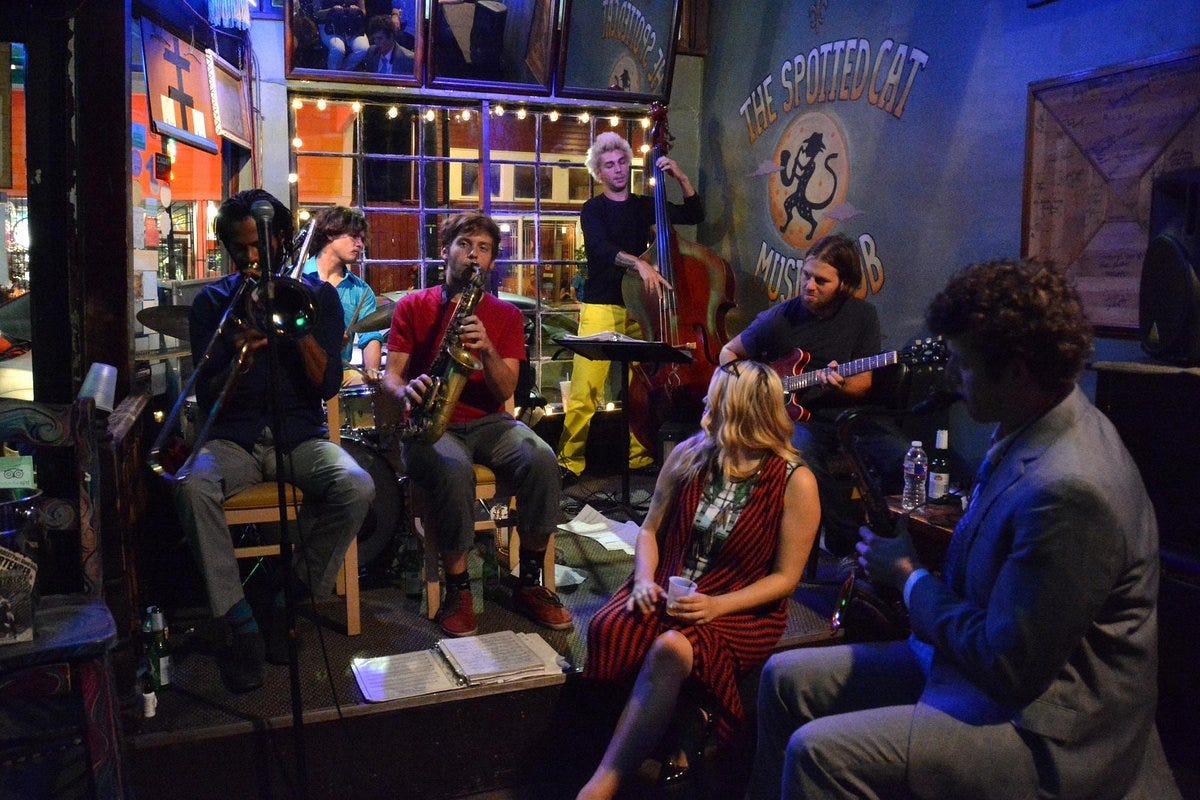
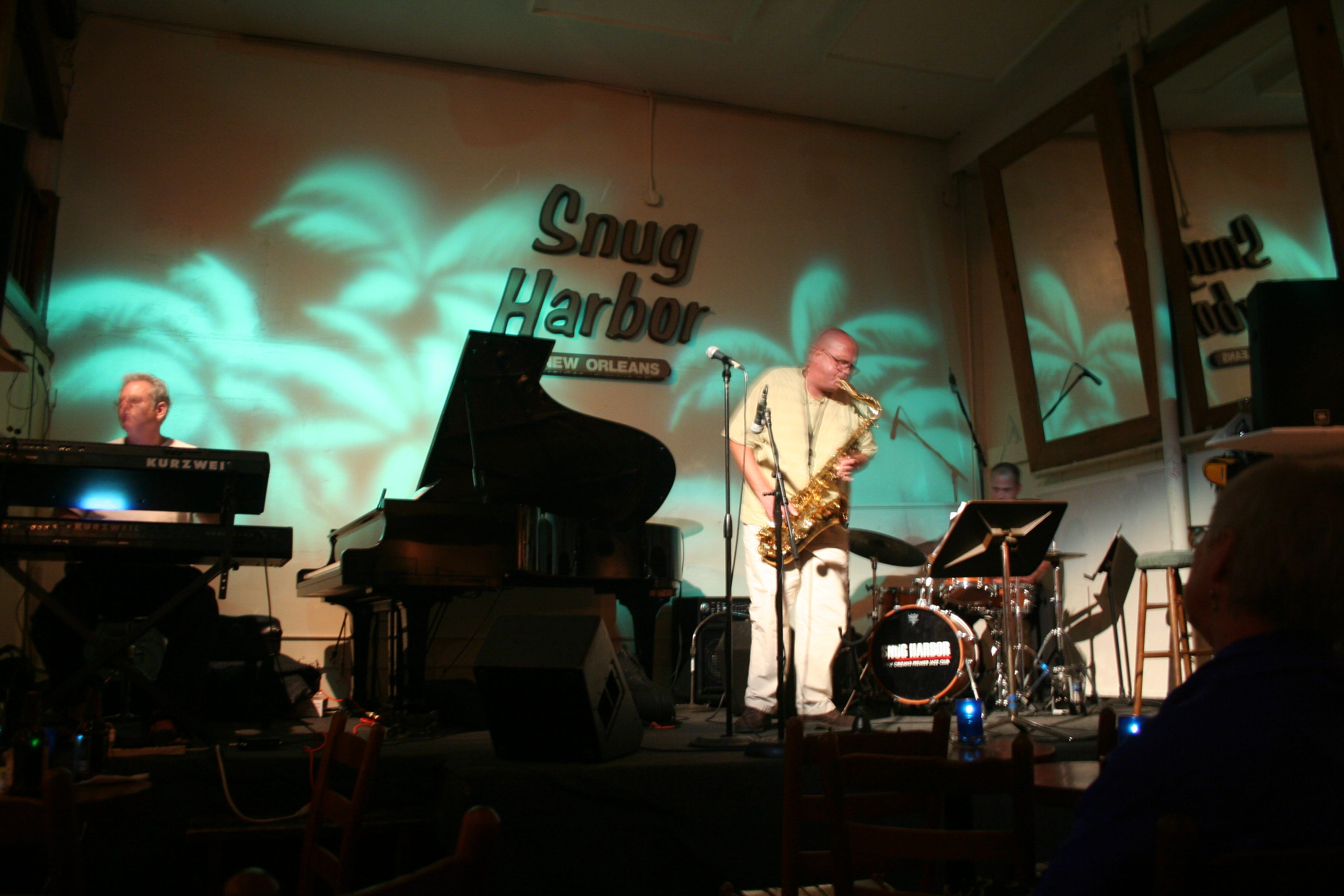
For tonight specifically, Davell Crawford and Company hold down the intimate jazz, gospel, and soul residency at Snug Harbor Jazz Bistro, the Paradise Jazz Band runs the afternoon slot at The Spotted Cat Music Club on Frenchmen Street, and Bubbles Brown takes the late-night jazz rotation at the Apple Barrel Bar. It is, in other words, a Friday night in New Orleans, which means the music is everywhere and the choice of which room to stand in is the only real decision left to make.
The music is always playing somewhere. Tonight it is playing on JamFest Radio, and the What Is Hip?! Radio Show is bringing every note of New Orleans right to you.
What Is Hip?! Radio Show | Every Friday Night, 10 PM Until 9 AM Saturday, The Warren Haynes Incident: A Once-in-a-Lifetime Collaboration Confirmed, Adirondack Independence Festival in Upstate New York
There is a city in the American South that operates by its own rules, runs on its own clock, and makes its own music — and has been doing so for longer than most other cities have existed in any recognizable form. New Orleans does not borrow its culture. It creates it, continuously, from the bottom up, in second lines and brass band parades and late-night jazz clubs and corner stoops where someone always seems to have a trumpet case nearby. It is the birthplace of jazz, the spiritual home of the blues, the incubator of funk, the keeper of zydeco, the original proving ground for American improvisation in every form. And on Friday nights, it is exactly where the What Is Hip?! Radio Show lives and breathes, from 10:00 PM straight through until 9:00 AM Saturday morning on NPR News.
What Is Hip?! Radio Show: Friday Night Is New Orleans Night
Every Friday night at 10:00 PM, the What Is Hip?! Radio Show transforms the airwaves into a full immersion experience in the sound and spirit of New Orleans. Funk. Treme brass. Zydeco. The NOLA groove in all of its many, magnificent forms. We are not just playing music — we are giving you access to a living tradition that stretches back generations, a musical conversation that has been happening continuously in this city for well over a century and shows absolutely no signs of stopping.
The show runs all night long — not as background listening, not as a casual playlist, but as a curated, intentional journey through the sounds that define one of the most musically significant cities on earth. By the time we hand things over to NPR News at 9:00 AM Saturday morning, you will have spent eleven hours in New Orleans, even if you never left your living room.
This is what the What Is Hip?! Radio Show is built to do. And tonight, we want to take you deeper into the music, the culture, and the specific places where all of it happens at its most electric and authentic. Read the Full Article on the JamFest Substack!
Frenchmen Street: The Most Important Block of Music Real Estate in America
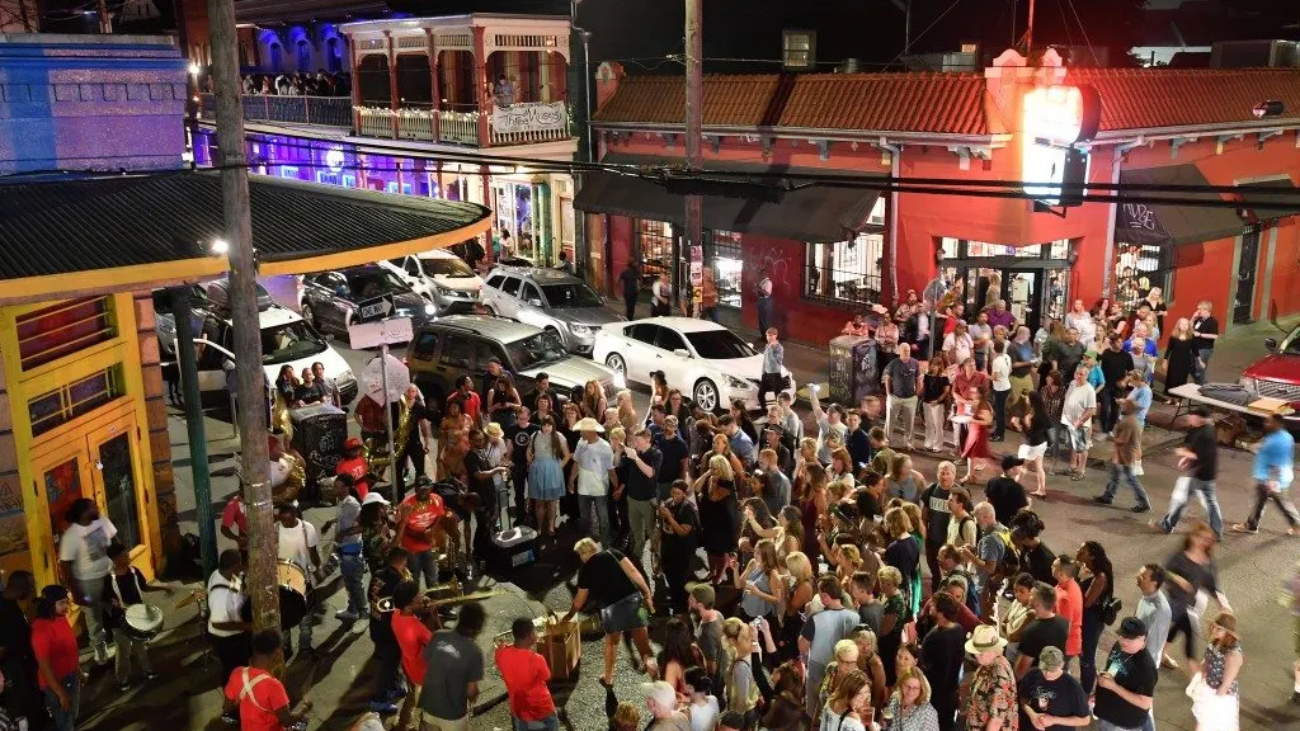
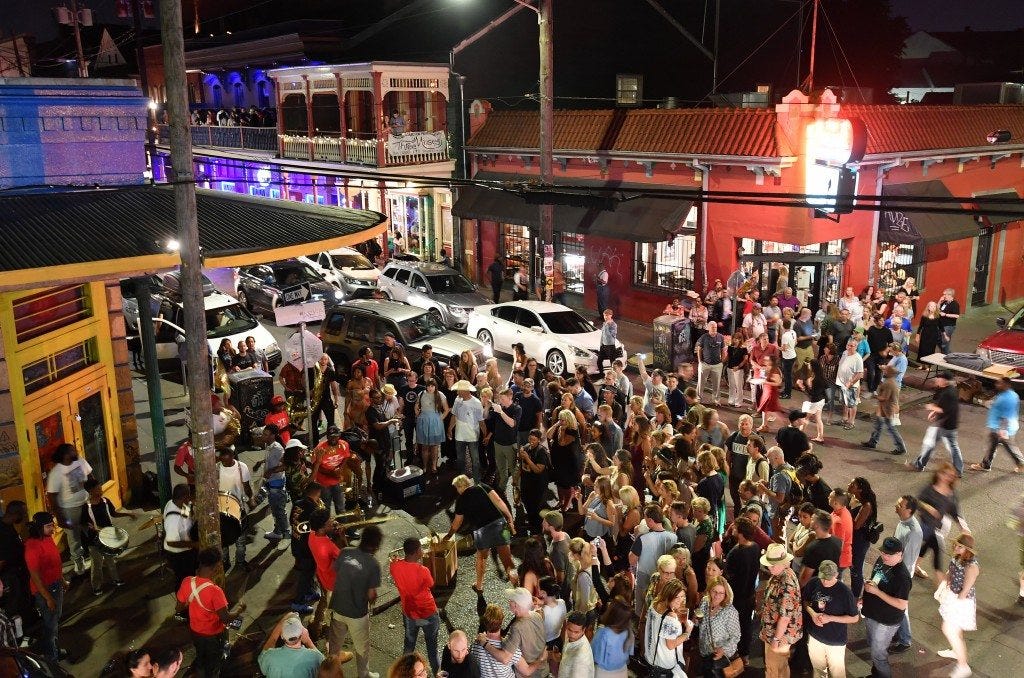
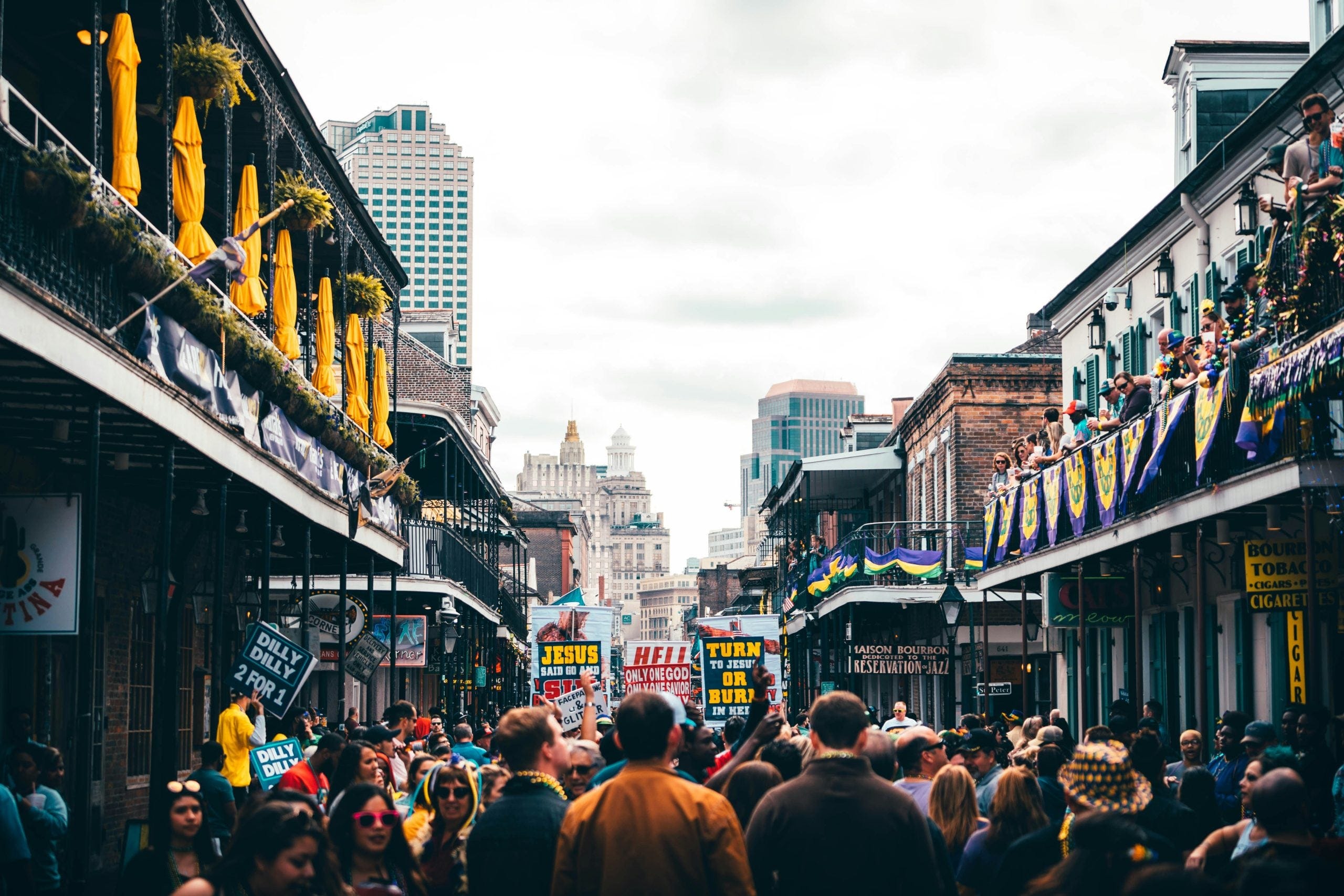
If you want to understand New Orleans music — not the tourist-facing approximation of it, but the real, living, breathing, spontaneous expression of it — you have to understand Frenchmen Street. Tucked into the Faubourg Marigny neighborhood just outside the French Quarter, Frenchmen Street is roughly six blocks of uninterrupted musical energy that operates on a different set of physics than the rest of the country. On any given night, and especially on weekends, the street itself becomes one continuous performance — music spilling out of open doors, brass bands moving between venues, crowds gathering at corners to watch impromptu sessions, the entire block functioning as a single, loosely organized festival that happens every single week, year-round, with no headliner and no stage manager and no producer telling anyone what to play next. Read the Full Article on the JamFest Substack!
The Spotted Cat Music Club: Where Jazz Lives Without Pretense
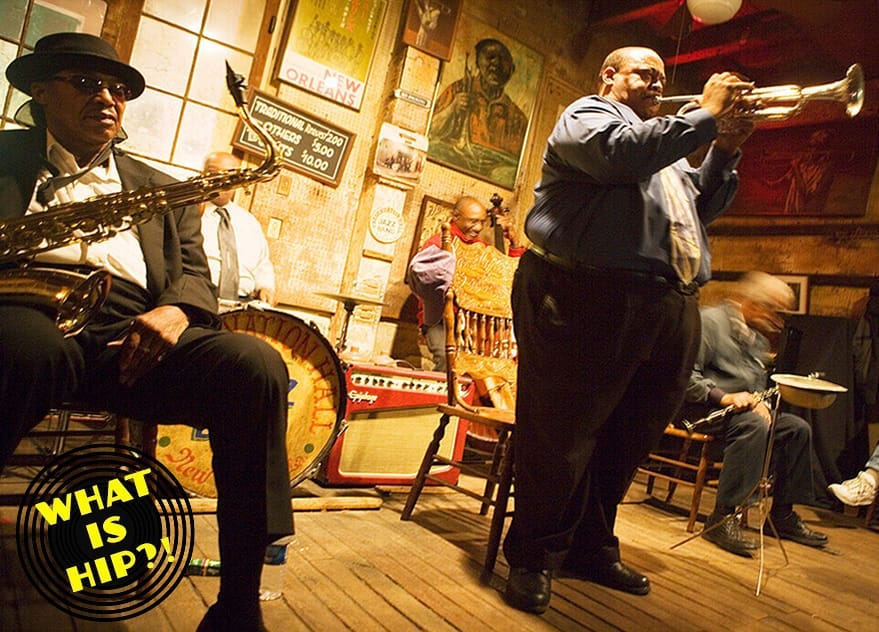
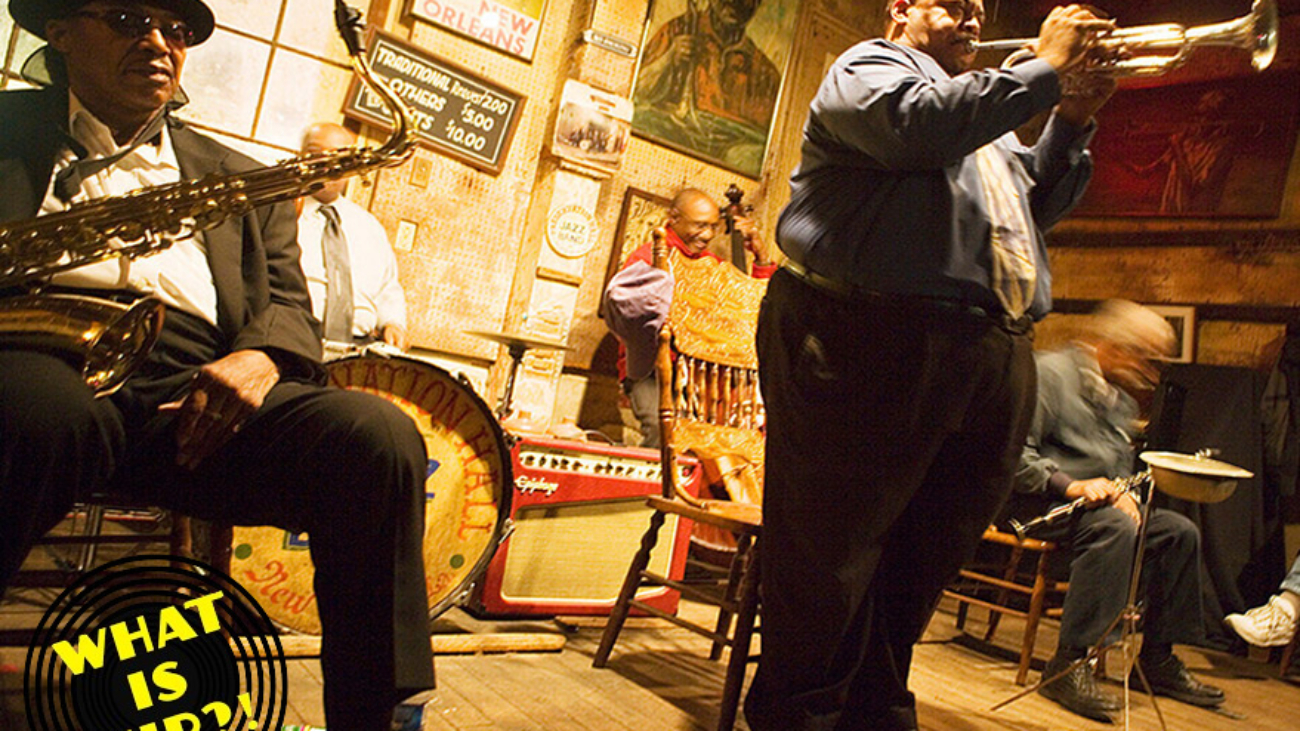
There is no marquee above the door. There is no velvet rope. There is no cover charge. There is, instead, a small room packed so tightly with people that the line between audience and performer essentially dissolves, a tiny stage where some of the finest traditional jazz and hot swing musicians in New Orleans play continuous sets starting at 2:00 PM and running until 2:00 AM every single day of the week, and a vibe so authentic that it feels less like attending a music venue and more like walking into someone’s living room where everyone just happens to be extraordinary at playing jazz.
The Spotted Cat Music Club is, by any reasonable measure, one of the most important small music venues in the United States. Not because of its size — it is genuinely tiny, a standing-room-only room where locals and music-loving travelers share approximately the same square footage and nobody seems to mind — but because of what it consistently delivers night after night: live acoustic traditional jazz, hot swing, and blues performed by musicians who are deeply rooted in the New Orleans tradition and playing with everything they have, regardless of whether there are twenty people in the room or two hundred pressed together at the bar. Read the Full Article on the JamFest Substack!
Snug Harbor Jazz Bistro: Reverence for the Art Form
Walk a little further down Frenchmen Street and the energy shifts. Not downward — sideways. From the casual electricity of the Spotted Cat into something more architectural, more deliberate, more formally dedicated to the idea that jazz is an art form that deserves the same quality of attention you would bring to a symphony hall or an art gallery.
Snug Harbor Jazz Bistro has been operating out of its 1800s brick-walled storefront for decades, and in that time it has become the preeminent listening room in New Orleans — which is to say, the preeminent listening room in jazz. This is where the city’s top virtuosos play ticketed, seated sets to audiences who come specifically and intentionally to listen. Not just to be in the presence of music, but to hear it — every phrase, every choice, every moment of dialogue between instruments that makes jazz the most sophisticated form of real-time musical conversation ever devised. Read the Full Article on the JamFest Substack!
The Maison: Three Floors of Pure New Orleans Energy
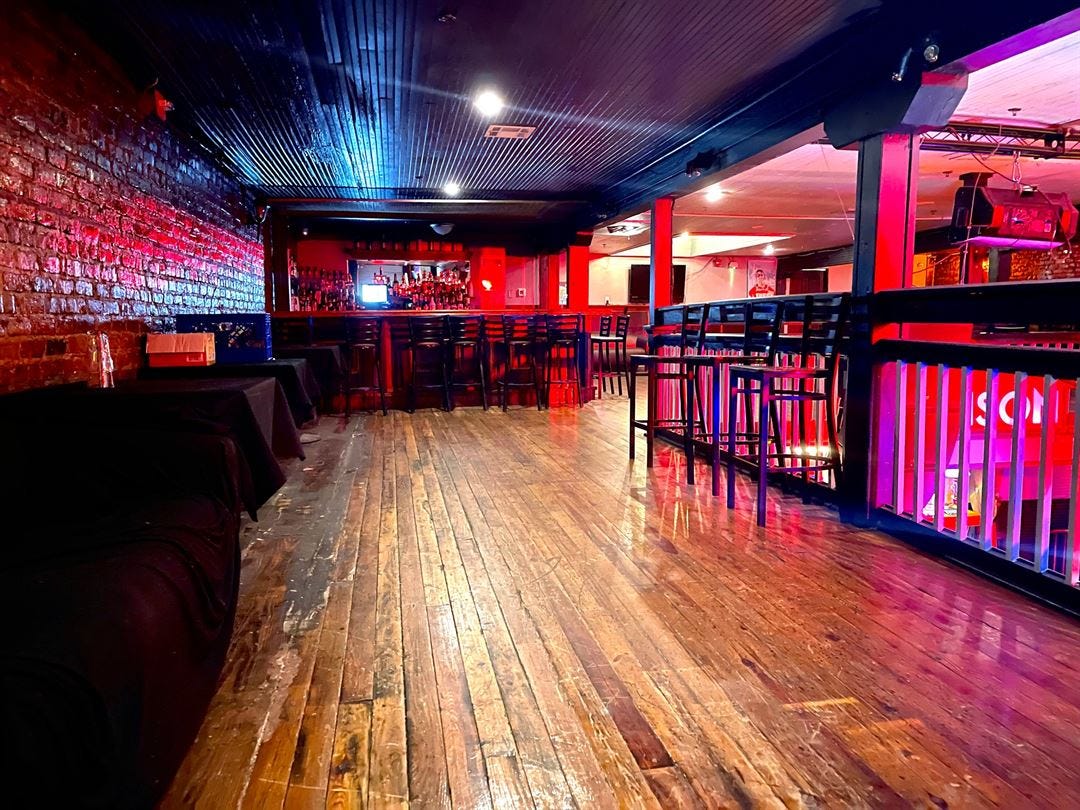
If the Spotted Cat is where the tradition lives in its most intimate form and Snug Harbor is where it reaches its most sophisticated expression, The Maison is where it gets turned all the way up.
Spread across multiple levels with three separate performance stages, The Maison is the largest venue on Frenchmen Street and the one most likely to get your entire body involved before you have finished your first drink. Horn-heavy local brass bands. Funk outfits with rhythm sections that sound like they were assembled by the city itself. Larger jazz ensembles with the kind of ensemble tightness that only comes from musicians who have been playing together in this specific musical tradition their entire lives. All of it delivered at a volume and energy level that makes dancing not just an option but an inevitability. Read the Full Article on the JamFest Substack!
The Frenchmen Art Bazaar: The Street’s Soul Between the Notes
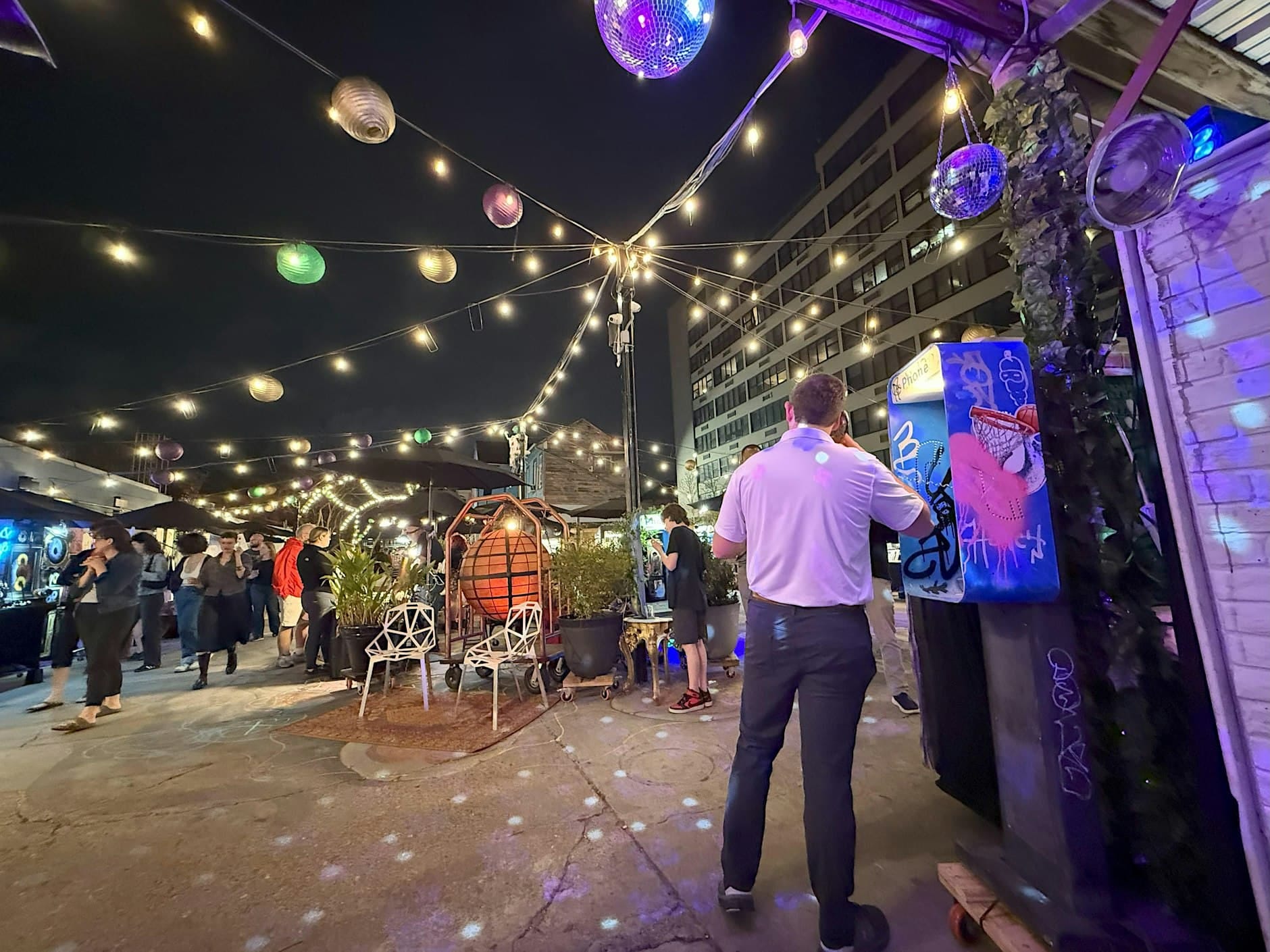
Between the clubs, tucked into a lighted outdoor alley that runs alongside the music venues like a hidden corridor of creativity, the Frenchmen Art Bazaar operates every night from 7:00 PM to midnight as one of the most charming and culturally revealing spaces in all of New Orleans nightlife.
This is an open-air night market where dozens of local independent artists set up booths under string lights and sell their work directly to the people who wander the street between sets. Handmade jewelry. Original paintings. Sculptures. Eclectic regional crafts that carry the visual vocabulary of the city in the same way that the music carries its sonic vocabulary. The entire market is free to enter, free to browse, and organized around the simple premise that art — like music — should be accessible, participatory, and woven into the fabric of ordinary life rather than sequestered in galleries and institutions accessible only to the initiated. Read the Full Article on the JamFest Substack!
The Warren Haynes Incident: A Once-in-a-Lifetime Collaboration Confirmed
Shifting from the streets of New Orleans to the festival fields of Florida, the jam scene just received one of the most significant lineup announcements of the entire 2026 festival season: the official confirmation of the Warren Haynes Incident at Suwannee Hulaween, the premier fall festival experience in the American Southeast.
Here is what makes this announcement extraordinary: Warren Haynes — legendary guitarist of Gov’t Mule, former Allman Brothers Band member, one of the most revered improvisational guitarists alive — will fully join forces with The String Cheese Incident for a massive, dedicated collaborative performance officially billed as a celebration of the music of the Grateful Dead and the Allman Brothers Band. The collective billing, the Warren Haynes Incident, is not a guest appearance or a sit-in. It is a full partnership between two of the most important forces in American jamband music, coming together for a set that will draw on two of the most beloved and musically deep catalogs in the history of the American improvisational tradition. Read the Full Article on the JamFest Substack!
The String Cheese Incident and “Lightning Sky”: A New Chapter in a Long Story
On the subject of The String Cheese Incident — and they are very much the subject of the moment — the band did not merely contribute to one of the year’s most exciting festival announcements. They also dropped a surprise new studio single that deserves its own extended moment of appreciation.
“Lightning Sky,” written by Cheese bassist Keith Moseley, is an acoustic-heavy track described as a tribute to family and spiritual roots — a different kind of statement from a band that built its reputation on high-energy electric improvisational performances that could run for twenty minutes and cover multiple genres before landing somewhere nobody expected. The single is acoustic in orientation and personal in nature, drawing from the same well of heartfelt introspection that has always lived underneath the band’s more exuberant material but rarely gotten so direct an expression in studio form. Read the Full Article on the JamFest Substack!
Adirondack Independence Festival: Upstate New York Gets Its Moment
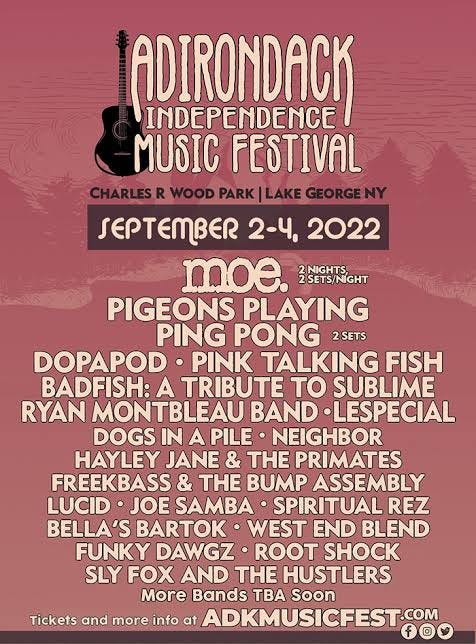
The jam calendar continues to take shape with the final lineup announcement for the Adirondack Independence Festival, the upstate New York gathering that has steadily built its reputation as one of the Northeast’s most essential summer festival experiences.
The confirmed headliners make a compelling case: moe., the veterans of the New York jamband scene whose chemistry and musicianship have made them one of the genre’s most durable and beloved acts. Dogs In a Pile, the New Jersey-born quintet that has emerged as one of the most exciting younger bands in the scene, combining psychedelic improvisation with a rhythmic sophistication that has made them consistently one of the most talked-about acts at every festival they play. Eggy, whose genre-bending approach to jamband music has attracted a passionate and growing following. And Daniel Donato’s Cosmic Country, whose country-meets-psychedelia fusion occupies a genuinely distinctive corner of the contemporary improvisational landscape and delivers one of the most visually and sonically distinct sets of any act working in the scene today. Read the Full Article on the JamFest Substack!
Why New Orleans Music Matters More Now Than Ever
At a moment when so much of the American musical landscape is dominated by streaming algorithms, studio-perfected productions, and the kind of spectacle that substitutes scale for soul, New Orleans music represents something genuinely countercultural. It is music that was never designed to be consumed passively. It was designed to be participated in — to move through you, to invite your body into the conversation, to create the specific kind of shared experience that only happens when human beings are in physical proximity and making noise together.
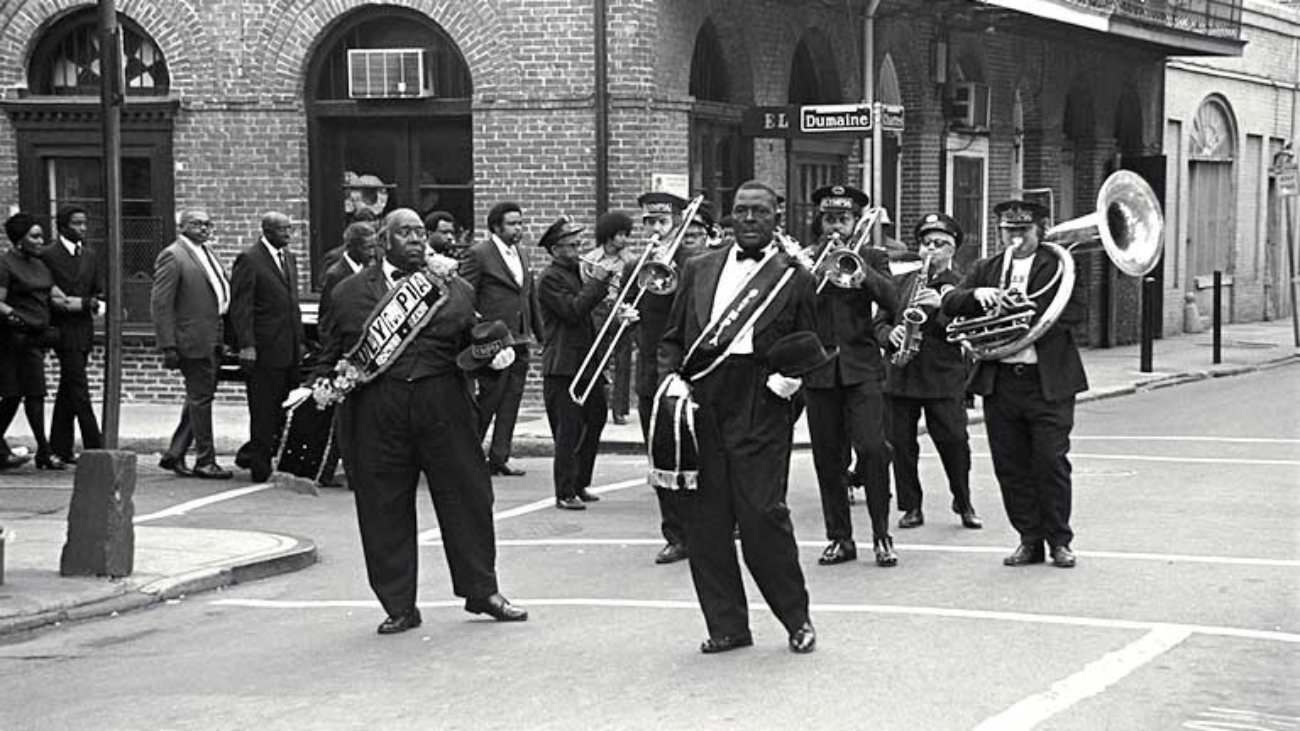
The Treme brass band tradition — those second line parades that move through the streets with a full horn section and a snare drum and a following crowd that grows as the music moves — is one of the oldest and most direct forms of participatory music-making in American culture. It is music that belongs to the street, to the people walking beside it, to the neighborhood it moves through. There is no stage. There is no audience. There is only the music and the community it gathers around itself as it moves. Read the Full Article on the JamFest Substack!
Tune In Tonight: What Is Hip?! Radio Show, 10 PM EST
Tonight, the What Is Hip?! Radio Show does what it does every Friday night: opens the door to New Orleans and invites you inside. Funk from the Faubourg Marigny. Brass from the Treme. Zydeco from the Louisiana countryside. Jazz from Frenchmen Street. The full spectrum of a city that has been making the world’s greatest music since before most other cities had thought to try.
We go live at 10:00 PM Eastern Standard Time and we do not stop until NPR News picks up the signal at 9:00 AM Saturday morning. Eleven hours of music, history, culture, and groove — built for Friday nights, made for anyone who believes that music is not just something you hear but something you feel in your chest and your feet and your whole body when it is played the right way by the right people.
Frenchmen Street is waiting. The brass is warming up. The Spotted Cat is already full. Snug Harbor’s first set starts at 8:00. The Maison’s dance floor has been occupied since happy hour. And at the Frenchmen Art Bazaar, the string lights are on and the artists are set up and the music is drifting in from all directions at once.
This is New Orleans. This is Friday night. This is the What Is Hip?! Radio Show.
Turn it up and let it take you somewhere.
What Is Hip?! Radio Show on JamFest — Every Friday Night, 10 PM EST through 9 AM EST Saturday on NPR News. Funk, Treme Brass, Zydeco, Jazz, and the complete New Orleans groove, all night long. The most essential sounds in American music, eleven hours at a time.
Few cities in the world possess a musical identity as deeply woven into their cultural fabric as New Orleans. Long before music festivals became international attractions, before stadium tours dominated the entertainment landscape, and before streaming platforms transformed how audiences discover artists, New Orleans had already established itself as one of the most important musical cities on the planet. It remains the universally recognized birthplace of jazz, a distinction that extends far beyond history books and tourism campaigns. The city’s influence continues to shape contemporary music in real time, creating an environment where tradition and innovation coexist on nearly every street corner, club stage, and festival field.
As summer 2026 unfolds, New Orleans once again finds itself at the center of a remarkably active period for live music, cultural preservation, and artistic development. Fresh off another successful Jazz Fest season, the city is transitioning into a summer calendar filled with major festivals, national touring acts, community celebrations, historic venue programming, and new investments designed to preserve the traditions that have made New Orleans one of America’s most significant cultural capitals.
The momentum generated by Jazz Fest continues to resonate throughout the city. Every year, the festival serves as both a celebration of New Orleans’ musical legacy and a reminder of its continued relevance within the global music community. The weeks following the event often mark the beginning of a busy summer season as local venues, touring artists, promoters, and cultural organizations capitalize on the energy generated by one of the world’s most respected music festivals. This year is proving no exception.
Attention is already shifting toward another major cultural event that brings international visibility to the city. The countdown to the Essence Festival of Culture is officially underway, and anticipation continues building around a lineup that reflects both contemporary popularity and enduring musical excellence. The 2026 edition features headline performances from Cardi B, Patti LaBelle, and George Clinton, a combination that illustrates the remarkable diversity that has become a defining characteristic of the festival. While each artist represents a different generation and musical perspective, together they embody the broad cultural spectrum that Essence has successfully celebrated for decades. The event has evolved into far more than a music festival, becoming one of the most significant cultural gatherings in the United States while generating substantial economic and cultural impact throughout New Orleans.
Beyond the major festival circuit, New Orleans continues demonstrating its ability to develop and support homegrown talent. One of the city’s most successful contemporary artists, Rob49, is preparing to headline the annual Vulture Island Experience at the Smoothie King Center. The performance represents another milestone for an artist who has become one of the most recognizable voices in modern Southern hip-hop. His success story reflects a longstanding New Orleans tradition in which local artists build strong regional foundations before expanding onto national and international stages.
National touring artists also continue recognizing New Orleans as a critical stop on their itineraries. Chance the Rapper recently announced a city appearance as part of his Coloring Book 10th Anniversary Tour, bringing one of the most influential projects of the past decade back into the spotlight. The anniversary celebration arrives at a time when audiences increasingly appreciate albums that helped define pivotal moments in contemporary music. For New Orleans fans, the announcement reinforces the city’s continued importance as a destination for major touring productions.
While arena performances and major festivals often generate the largest headlines, the heart of New Orleans music culture has always existed within its clubs, neighborhood venues, and historic performance spaces. Few locations symbolize that reality more effectively than Tipitina’s. The legendary venue has officially resumed its celebrated Free Friday Concert Series, a tradition that remains one of the most beloved summer programs in the city. For generations, Tipitina’s has served as both a launching pad for emerging artists and a gathering place for established musicians. The return of Free Fridays represents more than a concert series; it reflects the city’s enduring commitment to ensuring that live music remains accessible to residents and visitors alike.
That commitment extends beyond performances and into cultural preservation itself. City officials recently announced a special appropriation totaling $250,000 dedicated to supporting culture bearers and preserving local traditions. Half of those funds will be distributed directly to individual artists and cultural organizations, including brass band musicians, Mardi Gras Indians, and second-line groups. These investments recognize a simple but important reality: New Orleans’ musical identity depends upon the people who actively maintain and pass down its traditions. While festivals and tourism often receive public attention, the preservation of cultural practices requires ongoing support for the artists, performers, and community leaders who keep those traditions alive throughout the year.
The announcement arrives during a period of reflection within the local music community following the loss of several influential figures. The passing of pioneering bounce music dancer and Take Fo’ Records artist Willie Puckett Jr. has prompted widespread tributes from artists, fans, and community leaders. His contributions helped shape one of New Orleans’ most distinctive musical movements and left a lasting impact on generations of performers. The city also continues mourning the loss of Scott Aiges, whose advocacy and dedication to local music helped strengthen New Orleans’ cultural infrastructure for decades. Together, these losses serve as reminders that preserving musical heritage requires not only celebrating legends but also recognizing the individuals who work behind the scenes to support artists and communities.
The city’s live music calendar remains as active as ever. This weekend, Soul Stu & the Desperate Roadies bring their signature blend of funk, groove, and late-night energy to Maple Leaf Bar, one of New Orleans’ most respected live music institutions. Lyndsey Smith is scheduled to deliver a powerhouse soul performance at Cafe Negril, continuing the venue’s tradition of showcasing exceptional local talent. Later in the week, BC Coogan will perform at Saturn Bar, paying tribute to the rich R&B piano traditions that helped define the city’s sound. Indie-rock fans will have an opportunity to experience Tim Kasher and Old Canes at Gasa Gasa, while jazz enthusiasts can look forward to an appearance from acclaimed trumpeter Jeremy Davenport at the Davenport Lounge, where classic New Orleans jazz remains a centerpiece of the venue’s programming.
Collectively, these performances highlight one of New Orleans’ greatest strengths. Unlike many music destinations that become heavily dependent on a handful of annual festivals, New Orleans sustains a year-round ecosystem of live music. On any given night, audiences can experience jazz, funk, brass bands, soul, blues, hip-hop, rock, Americana, R&B, and countless other styles often within a few blocks of one another. That diversity is not manufactured. It is the product of generations of musical development that continue influencing artists across genres and backgrounds.
At JamFest, we celebrate that spirit every week through programming that honors the cities, artists, and traditions that continue shaping live music culture. Tonight’s edition of the What Is Hip?! Radio Show focuses on the sounds and legacy of New Orleans, a city whose influence on American music remains impossible to overstate. From the earliest days of Dixieland and traditional jazz to the evolution of funk, R&B, brass bands, bounce music, and modern fusion styles, New Orleans has consistently served as a creative engine driving innovation across multiple generations. The program explores the artists, performances, and musical movements that transformed the city into a global cultural landmark while continuing to inspire musicians around the world.
As summer progresses, New Orleans will undoubtedly remain at the center of countless conversations about music, culture, and creativity. Major festivals will arrive, national tours will stop through town, and local artists will continue building upon traditions that stretch back more than a century. Yet perhaps the most remarkable aspect of New Orleans is its ability to balance history and progress simultaneously. The city never treats its musical heritage as a museum exhibit. Instead, it treats that heritage as a living, evolving force that continues producing new artists, new sounds, and new cultural moments.
That is why New Orleans remains more than the birthplace of jazz. It remains one of the most important laboratories for American music itself. Every performance, festival, residency, parade, second line, and club show contributes to a story that is still being written. As the city settles into another busy summer season, that story continues unfolding in ways that remind the world exactly why New Orleans remains one of music’s most enduring and influential capitals.
There are moments in music history when a project arrives not as a museum, not as a venue, and not even as an institution—but as a statement of intent. The Louisiana Music & Heritage Experience is precisely that kind of moment. Rising out of New Orleans—a city that doesn’t just host music but lives inside it—this ambitious $165 million development is positioning itself as one of the most important cultural builds in modern music history. For JamFest, and for anyone who understands the power of live performance, improvisation, and heritage, this is more than a headline. It is a signal.
To understand why this project matters, you have to start where all of it began. Long before global festivals, before streaming platforms, before recorded music reshaped how people consumed sound, there was a rhythmic convergence happening in the streets, in the gatherings, and in the open-air spaces of New Orleans. The earliest forms of jazz—Dixieland, traditional New Orleans style—weren’t curated. They were lived. They were communal. They were improvisational at their core. And they were born in places like Congo Square, where music, culture, and identity collided in real time.
The Louisiana Music & Heritage Experience is designed to capture that energy—not archive it.
At 120,000 square feet, the scale alone places it among the most ambitious music-focused developments ever conceived. But scale is not the story. The story is intent. This is not a museum built around glass cases and static exhibits. This is being constructed as a living environment, one that treats music as something that must be experienced dynamically. The vision is to move beyond preservation into immersion—where visitors don’t just learn about jazz, they step into it.
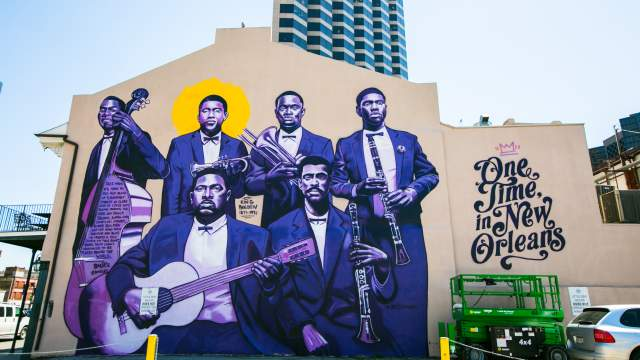
That means technology plays a central role. Advanced experiential design is expected to allow audiences to interact with foundational figures in jazz history, including pioneers like Buddy Bolden, not through passive storytelling, but through interactive formats that blur the line between past and present. The idea is simple but powerful: if jazz was born through improvisation and human connection, then its history should be explored the same way.
Inside the planned 40,000 square feet of exhibition space, the experience expands outward into a full ecosystem. A dedicated performance theater and soundstage will anchor the facility as a legitimate live venue, not just an educational space. A research archive ensures that scholars, historians, and creators have access to the deeper layers of Louisiana’s musical DNA. And perhaps most importantly, a built-in music club and themed restaurant position the space as a daily gathering point—where live sets, residencies, and spontaneous performances can keep the spirit of New Orleans alive long after the exhibits close for the night.
That integration of live performance is where JamFest’s perspective becomes essential.
Because what the Louisiana Music & Heritage Experience is building physically, JamFest has been reinforcing culturally: the idea that live music is not a format—it’s the foundation. It’s why JamFest programming continues to spotlight artists, recordings, and movements that thrive in real-time expression. It’s why the network doesn’t chase trends but instead amplifies authenticity. And it’s why shows like the What Is Hip?! Radio Show every Friday night exist as a direct extension of that philosophy, diving deep into the rhythms, grooves, and lineage of New Orleans-inspired sound with the kind of precision and respect the genre demands.
The alignment is not accidental. It’s structural.
New Orleans is not just the birthplace of jazz—it’s a framework for understanding how music evolves. The call-and-response patterns, the improvisational layering, the blending of cultures into something entirely new—these are not historical footnotes. They are active forces still shaping music today, from jam bands to funk collectives to modern jazz fusion. The Louisiana Music & Heritage Experience is designed to map that continuum, connecting early brass bands to contemporary artists in a way that feels fluid, not forced.
Location plays a critical role in that continuity. Current plans are focusing on two primary areas that carry both symbolic and strategic weight. One option situates the project within the River District near the Ernest N. Morial Convention Center, positioning it as a high-traffic cultural destination integrated into the city’s modern infrastructure. The other option reaches deeper into the city’s historical core, near Basin Street and within sight of Congo Square itself—placing the experience as close as possible to the very ground where jazz first took shape.
Either choice carries significance. One speaks to global accessibility and tourism flow. The other speaks to authenticity and historical resonance. Both reinforce the same underlying truth: this project is not being built in New Orleans by chance. It could not exist anywhere else.
Behind the scenes, the leadership team reflects the same level of intentionality. With figures who have shaped institutions like the Rock and Roll Hall of Fame and the Grammy Museum, the project is being guided by individuals who understand both the importance of preservation and the necessity of evolution. Add to that a board featuring artists and cultural leaders deeply rooted in Louisiana’s music scene, and the result is a rare balance of institutional knowledge and lived experience.
Funding momentum continues to build, with significant state support already secured and major partnerships in place to support the operational side of the facility, including food, beverage, and live programming integration. The timeline points toward a 2027 opening, but the reality is that the project is already active. Through events like NOLA Funk Fest and ongoing community engagement, the Louisiana Music & Heritage Experience is effectively previewing itself in real time—testing how audiences interact with the concept before the doors even open.
For JamFest, that approach resonates at a fundamental level.
Because the future of music culture isn’t about building something and waiting for people to show up. It’s about creating momentum, building community, and letting the experience evolve organically. It’s about understanding that the most important performances don’t always happen on the biggest stages—they happen in the moments where artists and audiences connect without barriers.
That’s what New Orleans has always done. That’s what the Louisiana Music & Heritage Experience is being built to honor. And that’s exactly what JamFest continues to amplify every day across its programming.
As this project moves closer to reality, it won’t just redefine what a music institution can be. It will challenge how audiences engage with sound, history, and culture itself. It will raise the bar for immersive storytelling in music. And it will reinforce something that has always been true but is now being realized at scale: live music is not a chapter in the story. It is the story.
And when those doors finally open, the world won’t just be visiting a museum. It will be stepping directly into the heartbeat of music itself.
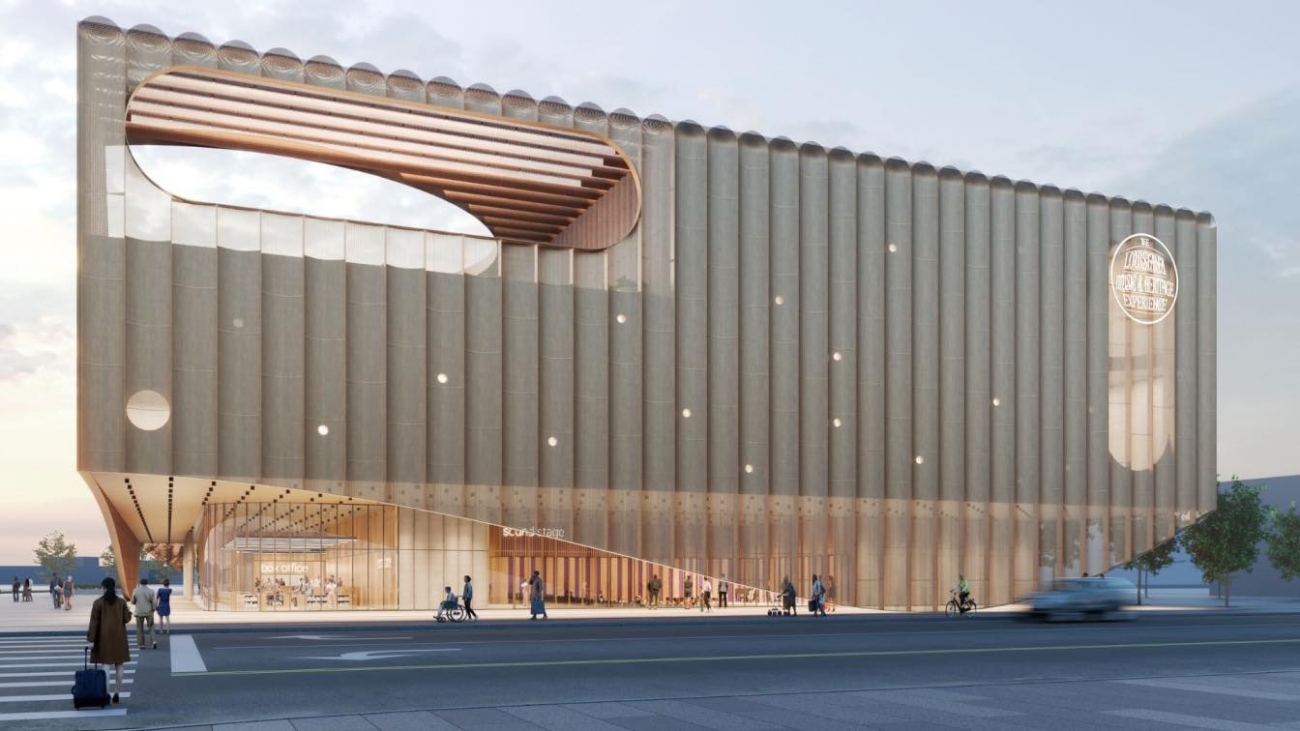
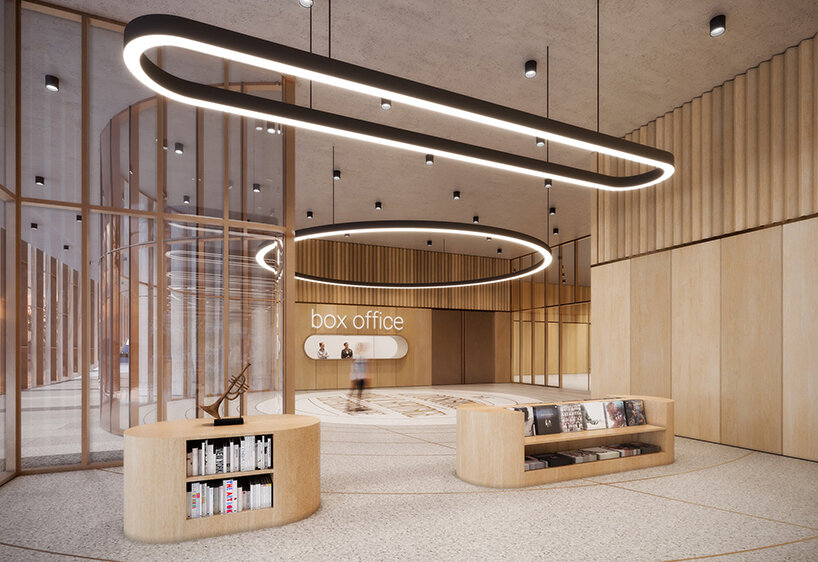
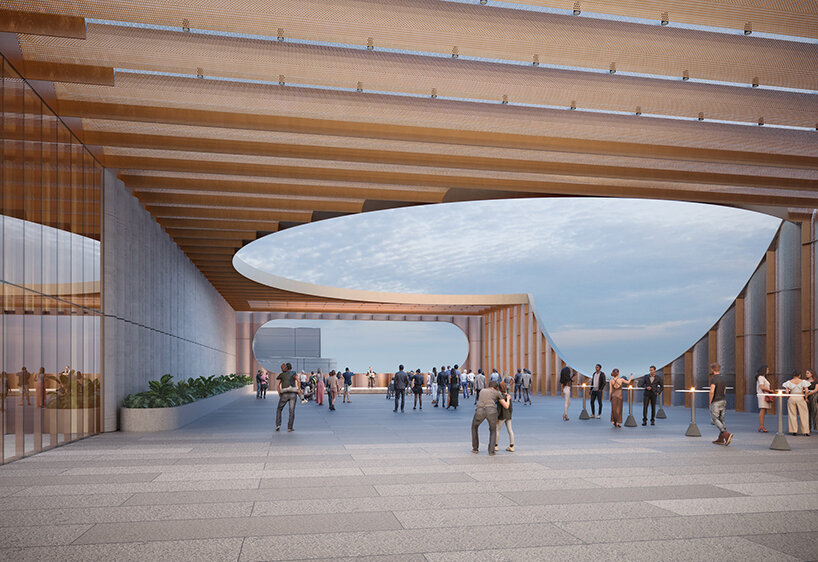
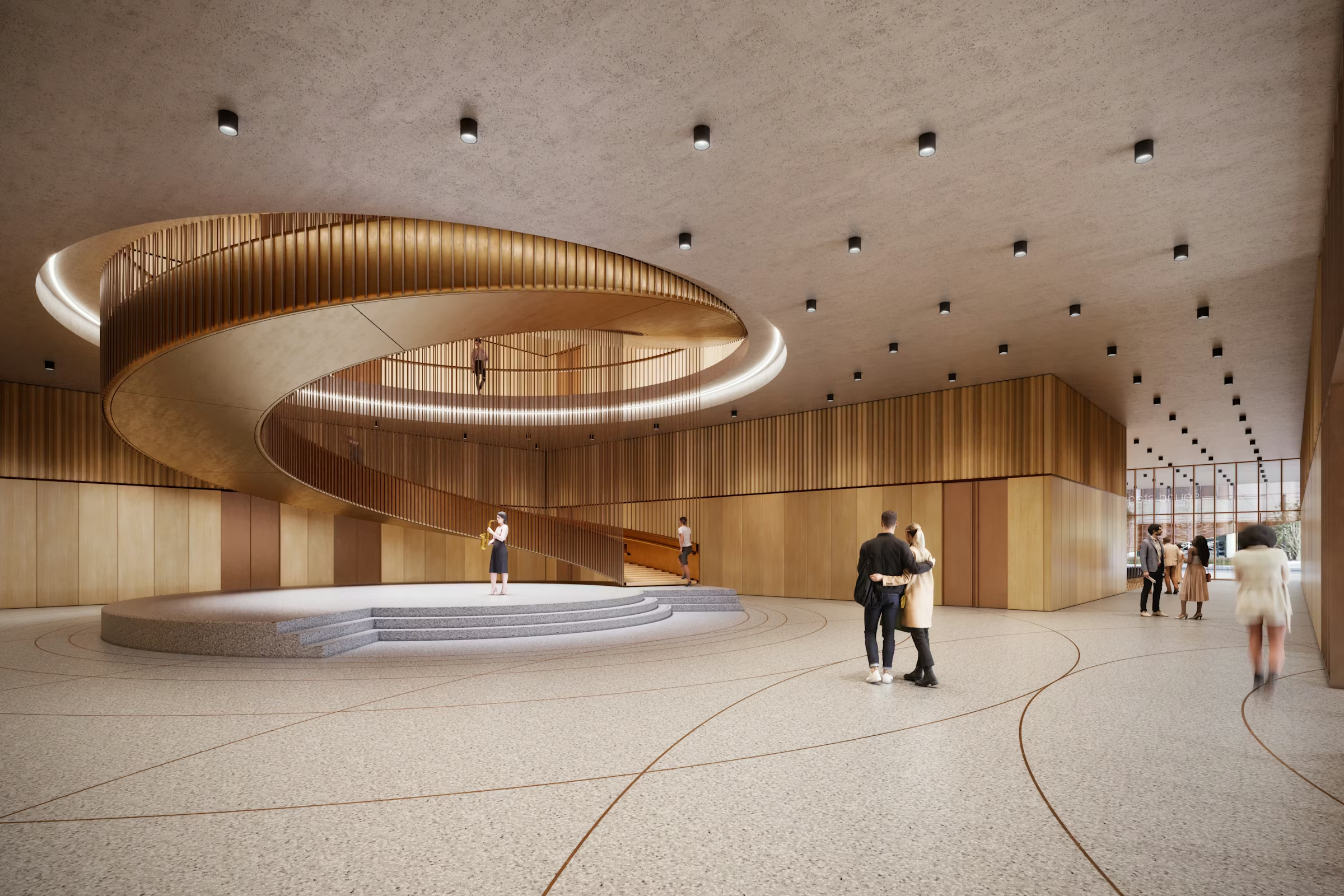
The Louisiana Music & Heritage Experience (LMHE) is set to be a visual landmark as much as a cultural one. Designed by the award-winning firm EskewDumezRipple , the building’s architecture is inspired by the curves and rhythms of musical instruments.
The renderings below showcase the proposed 120,000-square-foot facility, featuring its distinctive “flowing” facade and immersive interior spaces meant to host the museum’s high-tech exhibits and performance soundstage.
There are places where music happens, and then there are places where music is born, shaped, and continuously redefined. New Orleans stands alone in that second category—a city where rhythm is not just heard, but lived, where every street corner, second line, and late-night set contributes to a legacy that continues to influence global sound. As April 2026 unfolds, New Orleans enters its most electrifying stretch of the year: festival season. This is when the city doesn’t just celebrate music—it becomes the epicenter of it.
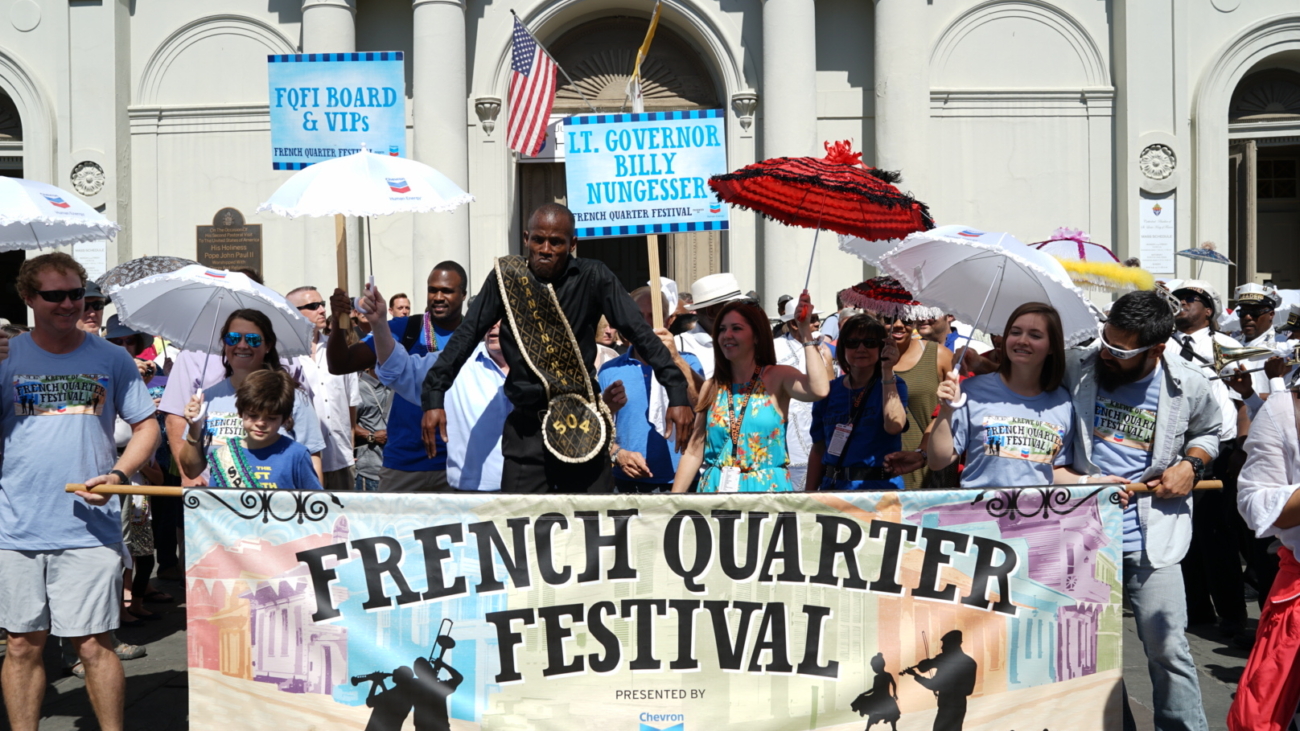
At the heart of this seasonal surge is the return of French Quarter Festival, running April 16 through April 19, 2026. Widely regarded as one of the most authentic and community-driven music festivals in the country, the event transforms the historic French Quarter into a sprawling, multi-stage performance environment featuring more than 300 live acts across 20 stages. Unlike larger commercial festivals, this one remains deeply rooted in local culture, offering a lineup that reflects the true sound of the city.
Artists like PJ Morton, Irma Thomas, and Big Freedia anchor a program that spans jazz, funk, gospel, R&B, brass, and beyond. The expanded footprint along the riverfront—highlighted by activity at Goldring Woldenberg Riverfront Park—signals a continued evolution of the festival, while additions like the 5K run reinforce its community-first identity. This is not a passive experience. It is immersive, kinetic, and deeply participatory.
But the energy doesn’t stop there. The broader festival calendar continues to build toward New Orleans Jazz & Heritage Festival, the globally recognized event that has come to define the city’s spring cultural surge. While Jazz Fest remains the headline attraction, what makes this moment truly special is the density of activity surrounding it—the smaller showcases, residencies, pop-up performances, and genre-crossing collaborations that fill every available space with sound.
Across the city, that sound is being shaped by both legends and innovators. Terence Blanchard returns home with his groundbreaking opera Fire Shut Up in My Bones, bringing a deeply personal and nationally celebrated work back to the city that helped shape his voice. It’s a full-circle moment that reinforces New Orleans’ role not just as a birthplace of jazz, but as a continuing incubator for boundary-pushing composition.
Meanwhile, veteran saxophonist Clarence Johnson III is in the midst of an extended residency at the Jazz & Blues Market, marking more than four decades of contribution to the local scene. Performances like these are not just concerts—they are living archives, where history is preserved and passed forward in real time.
The city’s forward momentum is equally evident in the emergence of new ensembles and cross-cultural experimentation. A recently debuted chamber group is drawing attention for its interpretation of Venetian baroque compositions, creating an unexpected but compelling dialogue between New Orleans and European musical traditions. It’s a reminder that this city has always absorbed, adapted, and reimagined influences from around the world.
That same spirit of expansion and inclusion is driving new events like Who Fab Fest, set for April 12, 2026 at The Broadside. As the city’s first LGBTQ+ music and culture festival, it represents an important evolution in the local landscape, with performances from artists such as Mia Borders and BJ So Cole. It’s not just a new event—it’s a statement about where the culture is headed.
Beyond the major festivals, April’s calendar is packed with high-impact performances that keep the city in constant motion. “Jammin’ on Julia” brings live music into the Arts District on April 4, turning galleries and streets into interconnected stages. The Hondo Rodeo Fest arrives April 10 at Caesars Superdome, blending country spectacle with large-scale production. “Barrels on the Bayou” hits Lafayette Square on April 18, while Skerik’s Saucefest closes out the month on April 28 with a genre-bending, improvisation-driven showcase that aligns perfectly with New Orleans’ experimental edge.
Looking ahead, the momentum carries into the fall with the return of NOLA Funk Fest, confirmed for October 2026 at the New Orleans Jazz Museum. After successful runs in previous years, its continuation underscores the sustained appetite for funk-driven programming and the city’s ongoing commitment to honoring its roots while pushing forward.
For JamFest, this entire moment represents more than just coverage—it’s alignment. This is exactly where the platform thrives: at the intersection of live performance, cultural authenticity, and musical evolution. That connection is fully realized through the continued presence of the “What Is Hip?!” Radio Show, a program dedicated to the sounds, artists, and traditions that define New Orleans and its extended musical universe. As festival season unfolds, the show becomes a conduit—bridging on-the-ground energy with a broader listening audience, amplifying the artists, and preserving the essence of what’s happening in real time.
“What Is Hip?!” isn’t just a title—it’s a question that New Orleans answers every single day. It’s in the brass bands that move through the streets, the late-night jazz sets that stretch into morning, the fusion of genres that refuse to stay confined, and the artists who continue to redefine what this city sounds like. It’s in the festivals, the residencies, the new ensembles, and the cultural milestones that make April 2026 one of the most dynamic periods in recent memory.
As the city moves deeper into festival season, one thing becomes clear: New Orleans is not revisiting its past—it’s actively building its future. And for those paying attention, for those listening closely, and for those tuned into JamFest and the “What Is Hip?!” Radio Show, this is the moment where everything connects.
Few cities in the world have shaped modern music culture the way New Orleans, Louisiana has. The sound of the city—often described simply as the NOLA style—is not confined to a single genre. Instead, it represents a living musical ecosystem where funk, brass band traditions, Treme street music, rhythm and blues, zydeco, second-line grooves, and classic New Orleans soul intersect to create one of the most recognizable musical identities anywhere in the world.
This season, JamFest is shining a spotlight on that powerful musical legacy with expanded programming that celebrates the full spectrum of New Orleans sound. At the center of that celebration is the radio show What Is Hip?!, an overnight broadcast designed to immerse listeners in the rhythms and culture of Louisiana music.
The show begins each night at 10 PM, launching a deep musical journey through the sounds that define New Orleans nightlife. From there, the program continues throughout the night—delivering hours of funk grooves, brass band street rhythms, zydeco accordion energy, and the unmistakable pulse of the Crescent City—until the broadcast concludes with NPR News Now at 9 AM.
For music fans, the show offers something rare: a full overnight immersion in authentic New Orleans music culture.
The NOLA Sound: A City Where Genres Collide
While many people associate New Orleans primarily with jazz, the city’s musical identity has always been far broader and more diverse. The NOLA style reflects generations of cultural exchange and neighborhood traditions that shaped an entire family of musical genres.
The foundation of that sound can be traced to historic gathering places such as Congo Square, where African rhythms and Caribbean influences blended with European musical traditions centuries ago.
From those early musical gatherings grew a musical culture defined by rhythm, improvisation, and collective performance.
Today, the New Orleans sound encompasses multiple styles that remain deeply connected to the city’s streets and neighborhoods:
Funk: New Orleans funk carries a groove-driven rhythm that emphasizes syncopation and deep bass lines. The style became globally influential through artists such as The Meters, whose rhythmic innovations helped shape funk music worldwide.
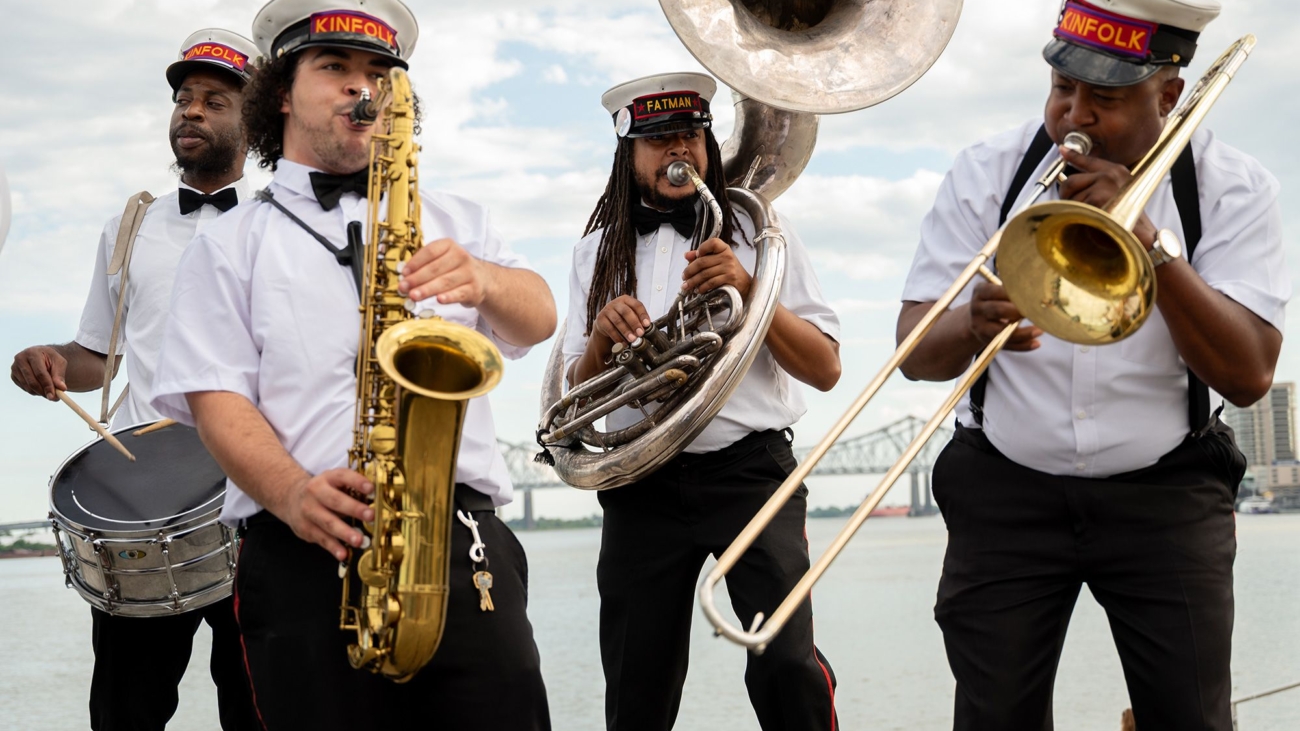
Brass Band and Treme Traditions: In neighborhoods like Tremé, brass band music has long served as both celebration and storytelling. These ensembles perform at parades, second-line celebrations, and community events, keeping the city’s street music tradition alive.
Zydeco: Originating in Louisiana’s Creole communities, zydeco blends accordion-driven melodies with blues, R&B, and dance rhythms. The genre remains a central part of Louisiana cultural festivals and dance halls.
Second-Line Rhythms: One of the most distinctive elements of New Orleans music is the second-line parade tradition, where musicians and dancers move through neighborhoods performing high-energy rhythms rooted in community celebration.
Together, these styles form the NOLA musical identity—a sound that JamFest is celebrating in its full diversity.
The What Is Hip?! Radio Show Brings the Crescent City to the Airwaves
The What Is Hip?! radio show was created to capture the experience of a night in New Orleans and bring it to listeners around the world.
Instead of focusing on a single genre, the program explores the entire musical ecosystem of the city.
From late-night funk sessions to brass band recordings, zydeco dance tracks, and classic New Orleans R&B, the show recreates the experience of moving from club to club through the neighborhoods of the Crescent City.
Listeners tuning in at 10 PM step into a curated musical environment designed to mirror the city’s nightlife rhythm.
As the night unfolds, the playlist expands across decades of recordings and modern performances, celebrating artists who helped shape the sound of New Orleans.
By the time the show reaches the early morning hours, audiences have traveled across the entire spectrum of NOLA music culture.
Festivals That Keep the New Orleans Sound Alive
JamFest’s focus on the New Orleans music tradition arrives during one of the most vibrant periods in the city’s festival calendar.
One of the most anticipated events is the legendary French Quarter Festival, scheduled for April 16–19, 2026.
The event transforms the historic French Quarter into a massive outdoor celebration of Louisiana music and culture, featuring hundreds of performances across multiple stages.
Unlike many large music festivals, French Quarter Festival places a special emphasis on local artists and regional genres, including brass band music, funk, zydeco, and Cajun traditions.
Another major cultural event highlighting the next generation of New Orleans musicians is the Congo Square Rhythms Festival, scheduled for March 28, 2026.
The festival hosts the well-known Class Got Brass competition, where school brass bands compete for more than $50,000 in musical instruments and education support.
The event celebrates the educational pipeline that keeps New Orleans music traditions thriving across generations.
Meanwhile, the popular Wednesday at the Square concert series continues drawing large crowds to Lafayette Square each spring. The free outdoor concerts feature local bands performing funk, soul, brass band music, and modern interpretations of the NOLA groove.
Together, these festivals demonstrate how deeply music remains embedded in everyday life across New Orleans.
Clubs and Venues Continue the Tradition
Beyond the major festivals, New Orleans music culture thrives in the city’s clubs and performance spaces.
One notable example is the launch of the “Jazz on a Sunday Afternoon” series at the Three Maries Jazz Club inside the Omni Royal Orleans.
Although the venue highlights jazz in its programming, the performances often reflect the broader musical influences of the city, blending funk rhythms, brass instrumentation, and improvisational traditions.
Across the city, venues continue hosting nightly performances where musicians reinterpret the sounds of New Orleans through contemporary perspectives.
These intimate club settings remain one of the most important spaces where the NOLA sound continues to evolve.
New Recordings Keep the Legacy Moving Forward
New Orleans musicians continue producing recordings that blend tradition with innovation.
Recent projects receiving attention within the Louisiana music community include recordings from Kyle Roussel, Corey Henry and the Treme Funktet, and Trombone Shorty with the New Breed Brass Band.
These artists represent the modern evolution of New Orleans music, combining brass traditions with funk, hip-hop, and contemporary performance styles.
Meanwhile, Tipitina’s continues preserving historic recordings through its vinyl-focused record club, highlighting rare and influential music from the city’s archives.
Each new release contributes to the ongoing story of New Orleans music culture.
JamFest Expands the Global Conversation Around NOLA Music
By spotlighting New Orleans through JamFest programming and the overnight What Is Hip?! broadcast, the festival is helping expand global awareness of the city’s musical diversity.
Rather than focusing solely on a single genre, JamFest celebrates the full spectrum of the New Orleans sound—from funk grooves and brass band parades to zydeco dance rhythms and modern Louisiana soul.
This approach reflects the true identity of New Orleans music.
It is not defined by one genre.
It is defined by rhythm, community, and the ability of musicians to reinterpret tradition in new ways.
Each night as What Is Hip?! goes live at 10 PM, that tradition continues—broadcasting the pulse of New Orleans to listeners everywhere and reminding audiences why the Crescent City remains one of the most influential music capitals on Earth.
JamFest Radio Stations features Live Music, Global Sounds, and a Weekend That Starts Tonight with What Is Hip?!
JamFest Radio has built its identity around one simple promise: real performances, real artists, and real moments that stay with you long after the music fades. From legendary concert recordings and festival-only sets to genre-defining radio shows that spotlight both heritage and innovation, JamFest is where live music culture lives—every day of the week.
And tonight, that experience begins with one of our most beloved weekly broadcasts.
Tonight on JamFest: What Is Hip?! — New Orleans Takes Over Your Night
Every Friday night into Saturday morning, JamFest turns unmistakably New Orleans.
What Is Hip?! is our weekly deep dive into the rhythms, grooves, and unmistakable soul of NOLA—where funk, brass, jazz tradition, second-line energy, and street-level swagger collide in one continuous late-night celebration.
New Orleans, Louisiana is universally recognized as the birthplace of jazz, a sound that grew from early Dixieland and traditional New Orleans jazz into a global musical language. That legacy still drives the city’s music today—and What Is Hip?! delivers it in living, breathing form.
Beginning every Friday at 10:00 PM EST and rolling all night into Saturday morning, the show blends classic New Orleans influence with modern funk, soul, and contemporary groove. It is high-energy, relentlessly danceable, and built for listeners who want their weekend to start with music that feels alive.
We will make your day special — a memory of a lifetime. That’s not just a tagline. It’s the heartbeat of What Is Hip?! on JamFest.
Celebrating Live Music — Exclusively on TuneIn
JamFest Radio is dedicated to live performance culture. Our programming is available exclusively on TuneIn, delivering handpicked broadcasts that focus on:
historic concerts
major festival appearances
complete live sets
artist-driven showcases
Every show is curated to reflect the power of musicians performing in real time—on real stages, in front of real crowds.
Your Weekly JamFest Radio Lineup
JamFest isn’t built around one genre. It is built around great live music, wherever it comes from.
Here is how the week unfolds.
Club Night — Saturday Nights at 10PM EST
Saturday night on JamFest belongs to the dance floor.
Club Night delivers DJ sets, studio mixes, remixes, and cutting-edge electronic music pulled directly from some of the world’s most influential EDM and dance festivals. From big-room energy to underground club culture, this is where global dance music takes over JamFest every Saturday night.
Sunday Spunday — All Night Into Sunday Morning
When Club Night wraps, the party does not stop.
Sunday Spunday continues straight through the early hours, beginning at 2:00 AM EST and running until around 9:00 AM Sunday morning. It is a seamless overnight mix designed for late-night listeners, early risers, and anyone still riding the energy of the weekend.
The Gospel Lunch — Sundays from 12:30PM to 2PM EST
Sunday afternoons on JamFest bring a soulful shift.
The Gospel Lunch is a vibrant celebration of New Orleans–inspired gospel and uplifting music, delivering a powerful, community-driven soundtrack rooted in faith, spirit, and the musical traditions of NOLA.
Project Reggaeologist — Sunday Nights
For listeners who live for rhythm, bass, and global groove, Project Reggaeologist delivers nonstop:
reggae
dancehall
roots
ska
and world reggae festival recordings
Every Sunday night, JamFest connects listeners to reggae culture from festivals and stages across the world.
All Things Considered Live — Mondays at 7PM EST
Buddy Guy – Live at the Newport Jazz Festival (1994)
One of the most powerful live performances in blues history takes center stage on JamFest with Buddy Guy live at the legendary Newport Jazz Festival.
Recorded on August 14, 1994, this performance captures Buddy Guy during a major career resurgence, following the success of his Grammy-winning album Damn Right, I’ve Got the Blues.
The set is famous for its extended, high-energy medleys, including combinations of:
“All Your Love (I Miss Loving You),”
“Five Long Years,”
“Someone Else Is Steppin’ In (Slippin’ Out, Slippin’ In),”
“Mustang Sally,”
“Sweet Little Angel,”
and “Feels Like Rain.”
Signature moments include Guy’s defining anthem “Damn Right, I’ve Got the Blues” and his electrifying interpretation of “Hoochie Coochie Man,” famously associated with Muddy Waters.
A deeply emotional highlight of the concert is an instrumental performance of “Cold Shot,” presented as a tribute to his close friend, the late Stevie Ray Vaughan.
This broadcast reflects everything JamFest stands for—authentic live performance and historic musical moments preserved in full.
NewGrass Radio — Mondays at 9PM EST
NewGrass Radio is where bluegrass tradition meets fearless innovation.
Every Monday night, the show celebrates classic roots while spotlighting artists who stretch bluegrass beyond its traditional boundaries—blending elements of folk, rock, jazz, and Americana into what has become a powerful modern movement.
The show draws direct inspiration from the groundbreaking legacy of New Grass Revival, whose members—including Sam Bush, Béla Fleck, John Cowan, Courtney Johnson, Curtis Burch, Butch Robins, Ebo Walker, and Pat Flynn—helped redefine what bluegrass could become.
NewGrass Radio carries that forward every week, proving that bluegrass is not frozen in time—it is a living, evolving sound.
Live Nuggets — Tuesdays at 9PM EST
No Nukes: The MUSE Concerts for a Non-Nuclear Future (1979)
Live Nuggets is JamFest’s home for legendary concerts in their full historical context.
This week’s feature revisits the iconic No Nukes concerts—five historic benefit shows held at Madison Square Garden in September 1979 following the Three Mile Island nuclear accident.
Airing in full every Tuesday night, Live Nuggets places listeners directly inside one of the most influential live music and activism moments in rock history.
New Releases Now (NRN) Radio Show — Wednesdays at 9PM EST
The NRN Radio Show is dedicated to handpicked new music from today’s most compelling artists.
Rather than chasing charts, NRN focuses on emotionally powerful releases, standout songwriting, and modern recordings that feel personal, meaningful, and artist-driven. Every episode is built around discovery—music that rewards deep listening and repeated plays.
Festival Radio Show — Thursdays at 9PM EST
Every Thursday night, JamFest becomes a global festival stage.
Festival Radio Show delivers more than eight continuous hours of live performances drawn exclusively from major music festivals around the world—bringing back the sounds of the stages you stood in front of, the crowds you moved with, and the artists you discovered along the way.
NPR News Now — Four Times Daily
JamFest also keeps listeners informed with NPR News Now, a concise five-minute news update covering:
politics
international news
business
sports
and entertainment
Airs daily at 9AM, 12PM, 6PM, and 8:30PM EST.
Start Your Weekend the JamFest Way — Tonight with What Is Hip?!
If you want one show that captures the soul of JamFest in a single broadcast, start tonight.
What Is Hip?! launches at 10:00 PM EST, carrying you straight into Saturday morning with the unmistakable sound of New Orleans—funk-heavy, brass-driven, groove-powered, and rooted in the city that gave the world jazz.
JamFest is not background radio. It is live music culture—every night, every genre, every generation.
New Orleans never takes a night off, but this weekend the city feels especially alive. On this final Friday of November, the birthplace of jazz is vibrating with the unmistakable pulse that has defined its culture for generations. From the high-stakes showmanship of the Bayou Classic’s “Battle of the Bands” to packed clubs along Frenchmen Street and a brand-new blues release from a homegrown artist, the Crescent City is putting on one of the most musically charged nights of the season.
And for our JamFest readers tuning in from beyond Louisiana: don’t miss tonight’s What is Hip?! Radio Show — NOLA Style Music Every Friday Night! Whether you’re miles away or right in the French Quarter, it’s the perfect soundtrack for a night fueled by brass, rhythm, and the unfiltered soul of the city.
Bayou Classic Weekend Ignites the Superdome
The 52nd Annual Bayou Classic is more than a football tradition—it’s a cultural cornerstone, and tonight’s “Battle of the Bands & Greek Show” at the Caesars Superdome is the centerpiece. Southern University’s Human Jukebox and Grambling State University’s World Famed Tiger Marching Band aren’t just competing; they’re commanding the stage with precision, athleticism, and the kind of musical swagger that only New Orleans can inspire.
For longtime locals, the Battle of the Bands isn’t just a prelude to game day—it’s the heartbeat of Bayou Classic weekend, a celebration of HBCU heritage and the city’s deep musical identity.
A Fresh Take on Blues: Frenchie Moe Drops Hi Class
Adding to the buzz, New Orleans blues artist Frenchie Moe released his new record today, Hi Class — A Modern New Orleans Blues Statement. The album puts a polished, contemporary spin on the city’s classic blues textures, blending soulful vocals with tight rhythms and electrifying guitar lines. It’s equal parts homage and evolution, spotlighting modern-day New Orleans musicianship while keeping its roots unmistakably local.
For blues fans and NOLA purists alike, Hi Class is already being hailed as one of the standout releases of the year.
Live Music Tonight: A City Overflowing With Sound
In true New Orleans fashion, everywhere you go tonight, music spills into the streets. Venues across the city—from Uptown to the French Quarter—are stacked with A-list talent and iconic local performers.
A few of the can’t-miss sets happening tonight:
• Jon Cleary bringing his groove-heavy, piano-driven soul to the Maple Leaf Bar • Multi-Grammy winner PJ Morton taking over the Orpheum Theater with his signature blend of R&B and New Orleans warmth • The Washboard Chaz Blues Trio delivering stripped-down, rootsy blues at Buffa’s • The Leroy Marshall Band keeping traditional jazz alive at Maison Bourbon • Lost Bayou Ramblers electrifying the room at Tipitina’s with Cajun-punk fire • Nayo Jones singing smooth, classic jazz at The Jazz Playhouse
And that’s just the beginning. Many of the city’s legendary rooms—Preservation Hall, The Spotted Cat, and Blue Nile—have full rosters of performers ready to keep the night going long after midnight. This is New Orleans at its finest: improvisational, overflowing with artistic energy, and always pushing its musical traditions forward.
A Growing Movement in Tremé
While tonight is heavy on performances, there’s also a renewed push to bring travelers and locals deeper into the city’s cultural core. Immersive programs in the Tremé neighborhood—America’s oldest African American neighborhood and the cradle of brass band culture—are gaining traction. Visitors can explore the foundations of second-line traditions, meet local musicians, and experience the history that gave birth to both jazz and the city’s unmistakable musical identity.
Tune In, Turn Up, and Celebrate NOLA’s Soundtrack
With performers lighting up every corner of the city, a powerful HBCU musical showdown in the Superdome, and a standout blues release adding to the city’s growing discography, New Orleans proves once again that it remains the epicenter of American music.
And wherever you are tonight, JamFest invites you to sync your speakers to the heartbeat of the Crescent City with the What is Hip?! Radio Show NOLA Style Music Every Friday Night! It’s the perfect companion to a night that celebrates everything New Orleans does best—soul, rhythm, swagger, and the joy of live music.