
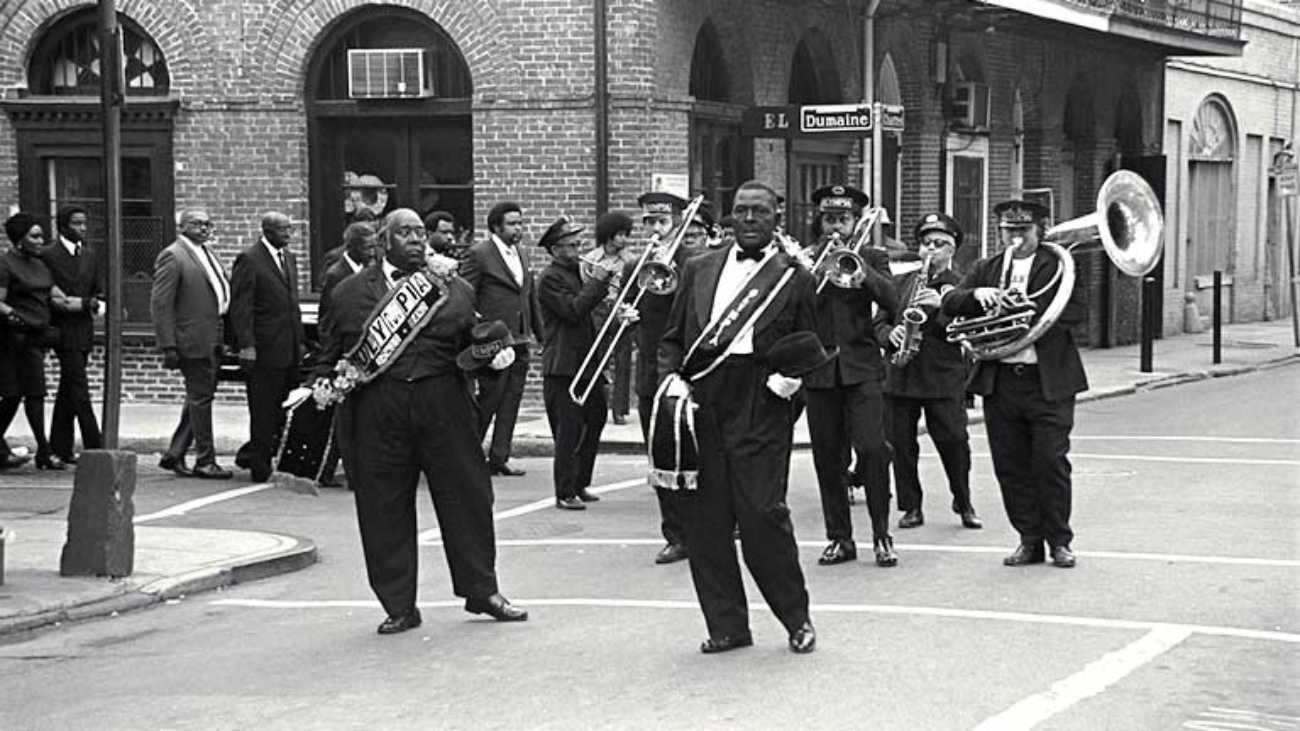
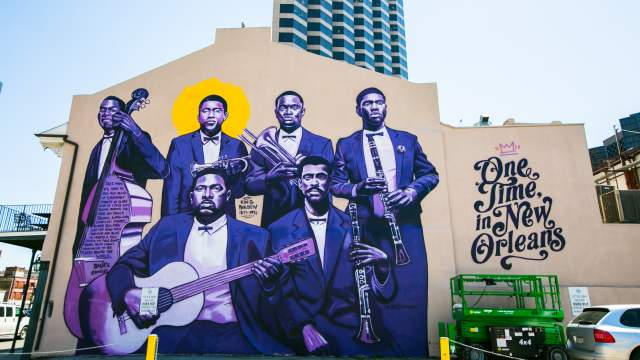
Few cities in the world possess a musical identity as deeply woven into their cultural fabric as New Orleans. Long before music festivals became international attractions, before stadium tours dominated the entertainment landscape, and before streaming platforms transformed how audiences discover artists, New Orleans had already established itself as one of the most important musical cities on the planet. It remains the universally recognized birthplace of jazz, a distinction that extends far beyond history books and tourism campaigns. The city’s influence continues to shape contemporary music in real time, creating an environment where tradition and innovation coexist on nearly every street corner, club stage, and festival field.
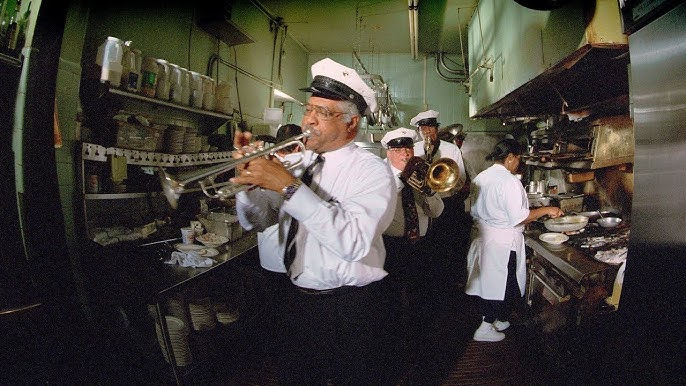
As summer 2026 unfolds, New Orleans once again finds itself at the center of a remarkably active period for live music, cultural preservation, and artistic development. Fresh off another successful Jazz Fest season, the city is transitioning into a summer calendar filled with major festivals, national touring acts, community celebrations, historic venue programming, and new investments designed to preserve the traditions that have made New Orleans one of America’s most significant cultural capitals.
The momentum generated by Jazz Fest continues to resonate throughout the city. Every year, the festival serves as both a celebration of New Orleans’ musical legacy and a reminder of its continued relevance within the global music community. The weeks following the event often mark the beginning of a busy summer season as local venues, touring artists, promoters, and cultural organizations capitalize on the energy generated by one of the world’s most respected music festivals. This year is proving no exception.
Attention is already shifting toward another major cultural event that brings international visibility to the city. The countdown to the Essence Festival of Culture is officially underway, and anticipation continues building around a lineup that reflects both contemporary popularity and enduring musical excellence. The 2026 edition features headline performances from Cardi B, Patti LaBelle, and George Clinton, a combination that illustrates the remarkable diversity that has become a defining characteristic of the festival. While each artist represents a different generation and musical perspective, together they embody the broad cultural spectrum that Essence has successfully celebrated for decades. The event has evolved into far more than a music festival, becoming one of the most significant cultural gatherings in the United States while generating substantial economic and cultural impact throughout New Orleans.
Beyond the major festival circuit, New Orleans continues demonstrating its ability to develop and support homegrown talent. One of the city’s most successful contemporary artists, Rob49, is preparing to headline the annual Vulture Island Experience at the Smoothie King Center. The performance represents another milestone for an artist who has become one of the most recognizable voices in modern Southern hip-hop. His success story reflects a longstanding New Orleans tradition in which local artists build strong regional foundations before expanding onto national and international stages.
National touring artists also continue recognizing New Orleans as a critical stop on their itineraries. Chance the Rapper recently announced a city appearance as part of his Coloring Book 10th Anniversary Tour, bringing one of the most influential projects of the past decade back into the spotlight. The anniversary celebration arrives at a time when audiences increasingly appreciate albums that helped define pivotal moments in contemporary music. For New Orleans fans, the announcement reinforces the city’s continued importance as a destination for major touring productions.
While arena performances and major festivals often generate the largest headlines, the heart of New Orleans music culture has always existed within its clubs, neighborhood venues, and historic performance spaces. Few locations symbolize that reality more effectively than Tipitina’s. The legendary venue has officially resumed its celebrated Free Friday Concert Series, a tradition that remains one of the most beloved summer programs in the city. For generations, Tipitina’s has served as both a launching pad for emerging artists and a gathering place for established musicians. The return of Free Fridays represents more than a concert series; it reflects the city’s enduring commitment to ensuring that live music remains accessible to residents and visitors alike.
That commitment extends beyond performances and into cultural preservation itself. City officials recently announced a special appropriation totaling $250,000 dedicated to supporting culture bearers and preserving local traditions. Half of those funds will be distributed directly to individual artists and cultural organizations, including brass band musicians, Mardi Gras Indians, and second-line groups. These investments recognize a simple but important reality: New Orleans’ musical identity depends upon the people who actively maintain and pass down its traditions. While festivals and tourism often receive public attention, the preservation of cultural practices requires ongoing support for the artists, performers, and community leaders who keep those traditions alive throughout the year.
The announcement arrives during a period of reflection within the local music community following the loss of several influential figures. The passing of pioneering bounce music dancer and Take Fo’ Records artist Willie Puckett Jr. has prompted widespread tributes from artists, fans, and community leaders. His contributions helped shape one of New Orleans’ most distinctive musical movements and left a lasting impact on generations of performers. The city also continues mourning the loss of Scott Aiges, whose advocacy and dedication to local music helped strengthen New Orleans’ cultural infrastructure for decades. Together, these losses serve as reminders that preserving musical heritage requires not only celebrating legends but also recognizing the individuals who work behind the scenes to support artists and communities.
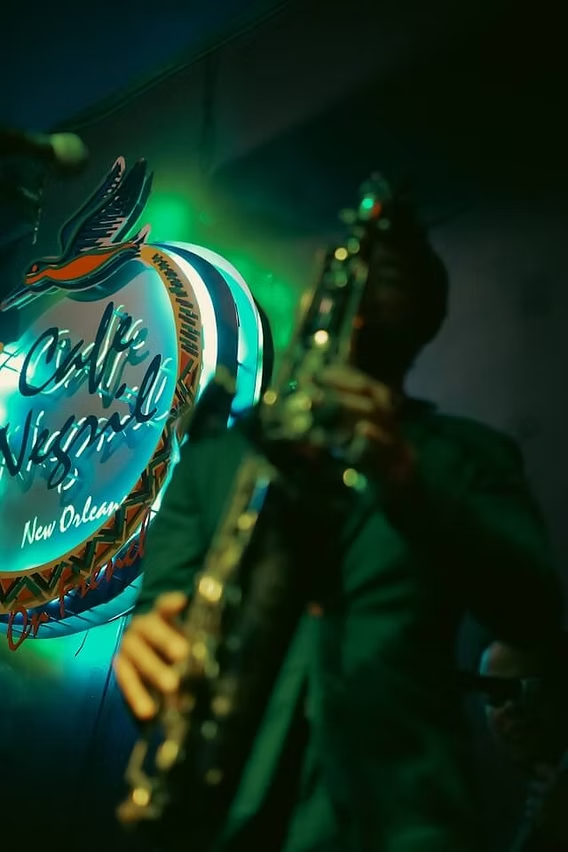
The city’s live music calendar remains as active as ever. This weekend, Soul Stu & the Desperate Roadies bring their signature blend of funk, groove, and late-night energy to Maple Leaf Bar, one of New Orleans’ most respected live music institutions. Lyndsey Smith is scheduled to deliver a powerhouse soul performance at Cafe Negril, continuing the venue’s tradition of showcasing exceptional local talent. Later in the week, BC Coogan will perform at Saturn Bar, paying tribute to the rich R&B piano traditions that helped define the city’s sound. Indie-rock fans will have an opportunity to experience Tim Kasher and Old Canes at Gasa Gasa, while jazz enthusiasts can look forward to an appearance from acclaimed trumpeter Jeremy Davenport at the Davenport Lounge, where classic New Orleans jazz remains a centerpiece of the venue’s programming.
Collectively, these performances highlight one of New Orleans’ greatest strengths. Unlike many music destinations that become heavily dependent on a handful of annual festivals, New Orleans sustains a year-round ecosystem of live music. On any given night, audiences can experience jazz, funk, brass bands, soul, blues, hip-hop, rock, Americana, R&B, and countless other styles often within a few blocks of one another. That diversity is not manufactured. It is the product of generations of musical development that continue influencing artists across genres and backgrounds.
At JamFest, we celebrate that spirit every week through programming that honors the cities, artists, and traditions that continue shaping live music culture. Tonight’s edition of the What Is Hip?! Radio Show focuses on the sounds and legacy of New Orleans, a city whose influence on American music remains impossible to overstate. From the earliest days of Dixieland and traditional jazz to the evolution of funk, R&B, brass bands, bounce music, and modern fusion styles, New Orleans has consistently served as a creative engine driving innovation across multiple generations. The program explores the artists, performances, and musical movements that transformed the city into a global cultural landmark while continuing to inspire musicians around the world.
As summer progresses, New Orleans will undoubtedly remain at the center of countless conversations about music, culture, and creativity. Major festivals will arrive, national tours will stop through town, and local artists will continue building upon traditions that stretch back more than a century. Yet perhaps the most remarkable aspect of New Orleans is its ability to balance history and progress simultaneously. The city never treats its musical heritage as a museum exhibit. Instead, it treats that heritage as a living, evolving force that continues producing new artists, new sounds, and new cultural moments.
That is why New Orleans remains more than the birthplace of jazz. It remains one of the most important laboratories for American music itself. Every performance, festival, residency, parade, second line, and club show contributes to a story that is still being written. As the city settles into another busy summer season, that story continues unfolding in ways that remind the world exactly why New Orleans remains one of music’s most enduring and influential capitals.