
Inside JamFest Radio’s Reggae Takeover: Elephant Man’s Global Resurgence, the Countdown to the Welcome to Jamrock Cruise, and the Dancehall DNA Powering Today’s Biggest Global Hits
A late-night radio institution is turning eight straight hours into a masterclass on where modern global pop actually comes from, and the timing could not be better for dancehall’s most electric ambassador.
There is a particular kind of night owl who understands that the best hours for reggae and dancehall do not begin until most of the world has already gone quiet. Tonight, that audience has somewhere to be. JamFest Radio is running its signature overnight program, Project Reggaeologist, from ten o’clock through sunrise, and the timing lines up with one of the more interesting stretches the genre has seen in years. A veteran deejay is enjoying a career resurgence that spans continents, a floating festival is quietly becoming one of the most anticipated events in Caribbean music, and a broader conversation about where today’s biggest global sounds actually originated has never felt more relevant. Put those three threads together and you get a night of radio that functions less like background music and more like a guided tour through reggae’s past, present, and unmistakable influence on the pop charts of right now.
Elephant Man’s Second Wind Is No Accident
Few figures in dancehall have earned a nickname as fitting as O’Neal Bryan’s. Long before streaming numbers could quantify stage presence, audiences in Kingston and far beyond had already crowned him the Energy God, a title built on a performance style that treats every show like it might be his last chance to prove the point. Bryan came up through the Scare Dem Crew before stepping out as a solo artist from Seaview Gardens, and across more than two decades he built a catalogue defined by relentless tempo, inventive dance crazes, and a stage persona that never seems to run out of fuel.
What makes this particular chapter of his career notable is not nostalgia alone. Bryan has spent 2026 in near constant motion, delivering remastered versions of catalogue staples alongside a run of brand new singles, while simultaneously working a live schedule that would exhaust performers half his age. He returned to Toronto for a solo headline show after roughly a decade away from that stage, reconnected with British audiences following a stretch of more than fifteen years without a UK work permit, and moved from major Jamaican festival dates straight into school themed party circuits without missing a beat. Industry press covering his summer run described exactly what longtime fans already knew: patrons show up expecting hit after hit, and he has never once failed to deliver on that promise.
This is precisely the material that a program like Project Reggaeologist thrives on. Rather than treating a legacy artist as a nostalgia act to be rotated in occasionally, the show leans into the idea that the so called golden era of the late nineties and early two thousands never actually left. It simply waited for the rest of the world to catch back up, and tonight’s block is expected to draw heavily from that catalogue while weaving in the newer remastered material that is currently reintroducing his sound to a generation of listeners who first discovered him through short form video clips rather than record shops.
All Eyes on the Water: The Countdown to November
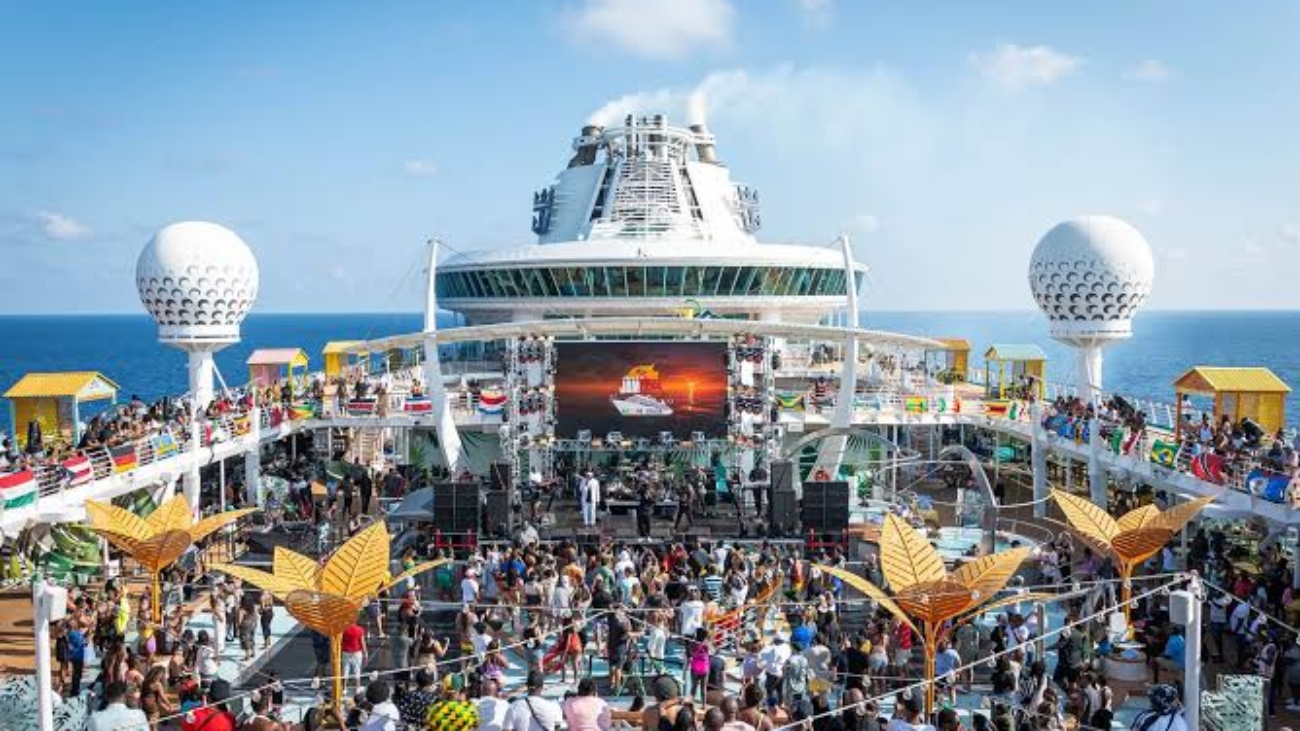
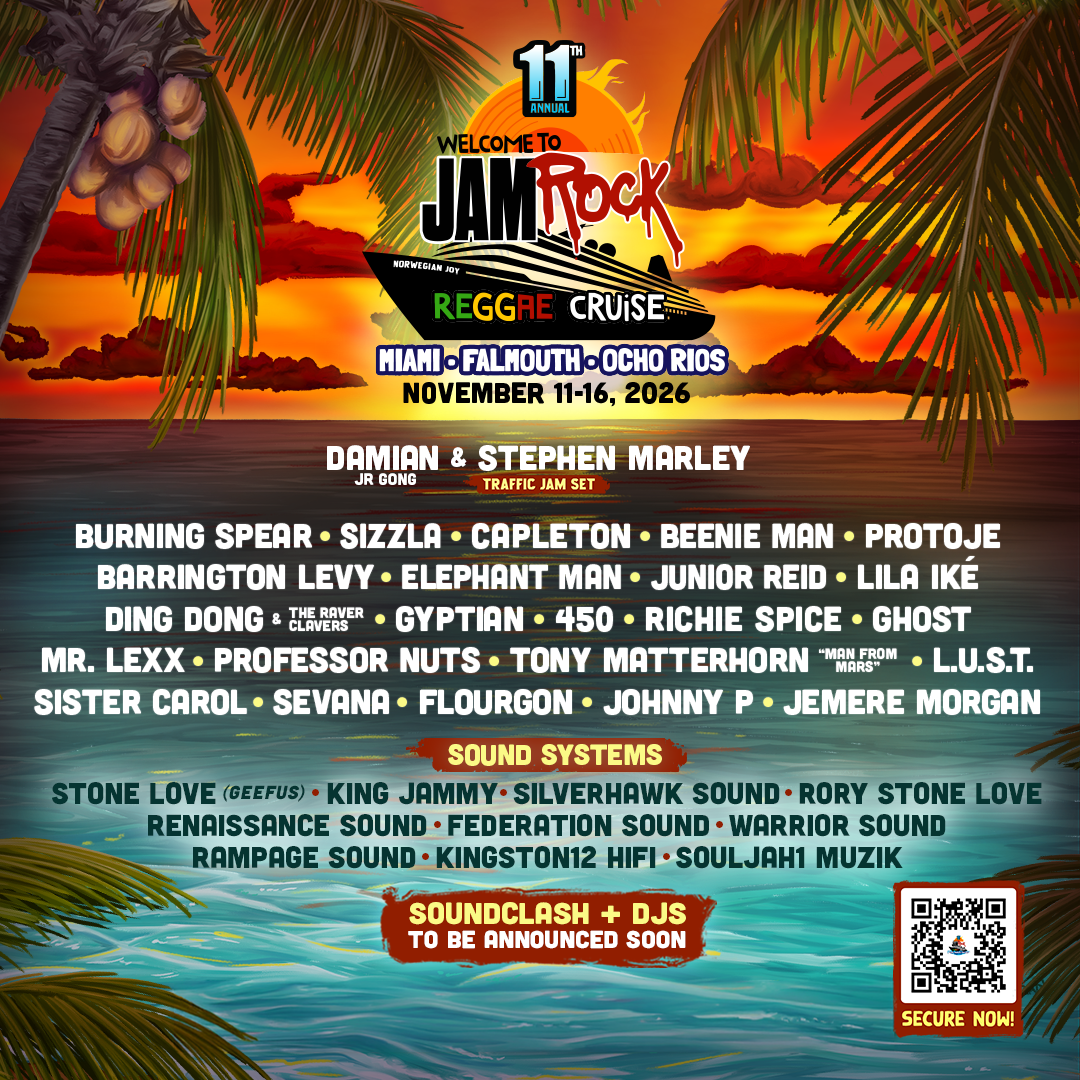
If there is one event dominating conversation across the global reggae and dancehall community this year, it is the eleventh voyage of a floating festival that has become something closer to an annual pilgrimage. The Welcome to Jamrock Cruise and Festival sets sail from the Port of Miami on November eleventh and returns on the sixteenth, routing through Falmouth and Ocho Rios aboard the Norwegian Joy for five nights that blend concert level production with the intimacy of a shared vessel. Co founded and curated by Grammy winning artist Damian Marley alongside longtime manager Dan Dalton, the cruise has grown into one of the most significant gatherings in reggae culture specifically because it refuses to treat Jamaica as a mere backdrop. It remains the only chartered cruise of its kind committed to a genuine two port itinerary, a choice organizers point to as central to an event that is independently reported to generate more than four million dollars in annual economic impact for the island.
The 2026 lineup reads like a genre defining survey course. Damian and Stephen Marley anchor a traffic jam style set, joined by roots pioneers Burning Spear and foundational voices like Sizzla and Capleton, alongside Beenie Man, Protoje, Barrington Levy, Junior Reid, and a returning Elephant Man, whose place on this bill only reinforces how central his current run has become to the broader conversation. Rising and modern voices including Lila Iké, Ding Dong, Richie Spice, and Gyptian round out a roster of more than fifty confirmed artists, DJs, and sound systems, while the festival’s beloved Sound Clash at Sea returns with heavyweight systems such as Stone Love, King Jammy, and Silverhawk squaring off in the tradition that built Jamaican music culture from the ground up.
It is easy to see why the community has been tracking every lineup update since the announcement. For a program built around celebrating the full breadth of reggae, dancehall, roots, and sound system culture, an event of this scale functions as a preview of what the genre’s next twelve months could look like, and tonight’s broadcast is expected to feature a run of exclusive live cuts pulled directly from artists anchoring that November bill.
Following the Bloodline: How Dancehall Became the World’s Rhythm Section
The most compelling story in reggae music right now might not be a single artist or event at all. It is the growing, well documented recognition that the rhythmic backbone of some of the biggest global genres of the last two decades traces directly back to Kingston sound systems. When producer duo Steely and Clevie built what became known as the Fish Market riddim in the late nineteen eighties, and when Shabba Ranks rode a variation of that same rhythmic pattern on his 1990 record Dem Bow, neither could have fully anticipated that they were laying rhythmic groundwork that would eventually be renamed and rebuilt an ocean away. Afro Panamanian artists were among the first to translate Jamaican dancehall into Spanish through a movement known as reggae en español, and from there, producers and MCs in Puerto Rico refined that same rhythmic DNA into what the world now recognizes as reggaeton, a genre that has since dominated global streaming charts and Grammy stages alike.
The lineage does not stop there. That same digital pulse, first unlocked when the 1985 Sleng Teng riddim replaced live instrumentation with a drum machine and effectively launched dancehall’s modern era, has been credited with shaping Afrobeats production, informing UK genres like afroswing, and even threading its way into contemporary pop and trap. Sean Paul, one of the genre’s most recognizable global ambassadors, has said plainly that dancehall has influenced reggaeton, Afrobeat, soca, and pop, all of which continue to borrow from a rhythmic vocabulary that started in Kingston dance halls decades ago.
Framed that way, a night dedicated to nonstop reggae, dancehall, roots, and ska is not simply a celebration of the past. It is closer to a listening session in musical genealogy, one that gives an audience the tools to hear a modern reggaeton or Afrobeats record and recognize the Kingston fingerprints underneath it. That is exactly the kind of connective storytelling the team behind Project Reggaeologist has built a reputation on, and it is the throughline tonight’s marathon broadcast is expected to make explicit.
Tonight’s Broadcast: Eight Hours, One Global Culture
Project Reggaeologist has built its identity on refusing to treat reggae as a single, static sound. The program runs nonstop reggae, dancehall, roots, world, and ska programming alongside music pulled from major reggae and world music festivals held around the globe, and it makes a point of pairing legendary catalogue cuts and studio versions with brand new material from up and coming artists every single week. It is a format built for exactly the kind of night this one is shaping up to be, where a career defining Elephant Man run, a once in a generation cruise lineup, and a genre spanning conversation about musical bloodlines can all share the same eight hour window without ever feeling forced together.
The broadcast airs tonight, Sunday, from ten in the evening through six in the morning Eastern time, streaming globally through the JamFest Substack and available live through the JamFest Radio station profile on TuneIn for listeners who prefer to tune in through their usual streaming setup.
Don’t Miss Tonight’s Session
Project Reggaeologist runs live tonight from 10:00 PM to 6:00 AM EST, streaming through the JamFest Substack and the JamFest Radio station profile on TuneIn. Explore more Jersey Shore music and culture coverage through our Jersey Shore section.