cf702bd3-4fc6-4354-86de-b74f5a75382d_2560x1707

The Floor Never Lies: JamFest’s Club Night and Sunday Spunday, Ministry of Sound Turns 35, Billy Strings Back on the Road, Widespread Panic in Oakland, Bob Dylan, Julian Lage, and More!

Club Night Radio Show, Every Saturday 10 PM to 2 AM EST, Continuing Into Sunday Spunday Through 9 AM EST

Tonight is Saturday night, which means Club Night is on the air at 10:00 PM Eastern Standard Time, and the JamFest signal goes electric for four straight hours of the most powerful, cutting-edge electronic music on the planet. DJ sets from the studio, remixes, every corner of EDM, and the freshest sounds from the world’s greatest music festivals all come together in a broadcast that does not slow down until 2:00 AM. And when the clock passes 2:00, the party does not stop. Sunday Spunday picks up the baton and carries the energy all the way through Sunday morning until approximately 9:00 AM EST, because the music always has more to say if you are willing to stay and listen. Read The Full Article on the JamFest Substack!

Ministry of Sound Turns 35 and Reinvents Itself: The Biggest Room Makeover in Club History
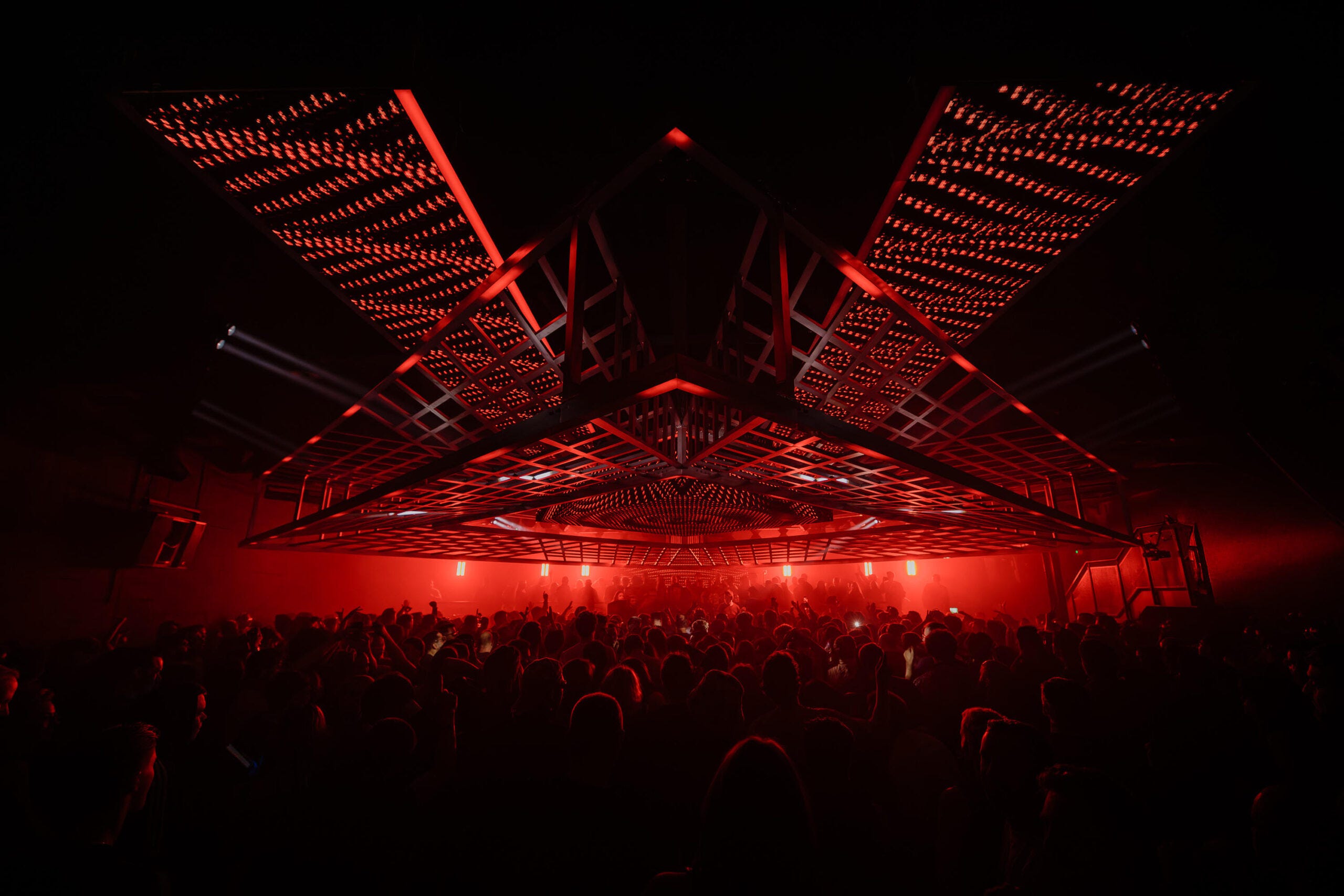
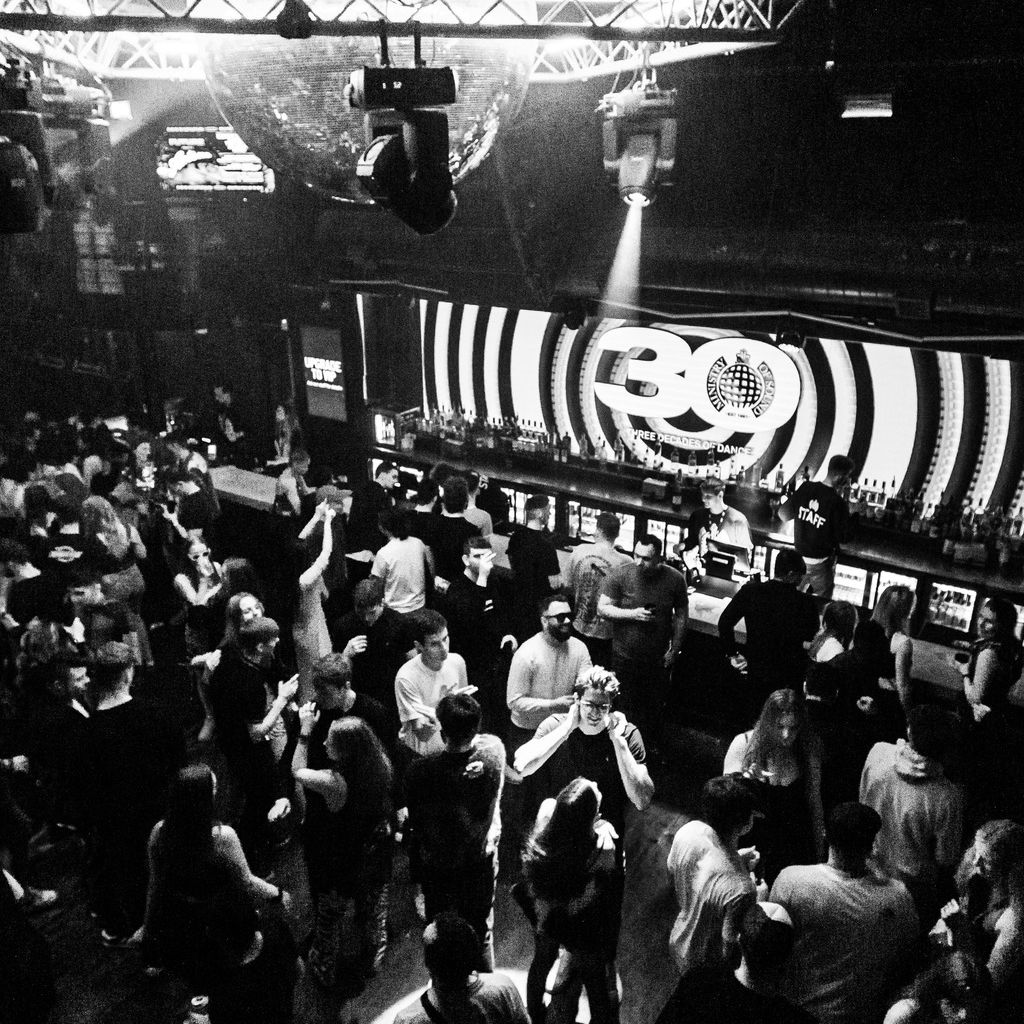
Ministry of Sound has transformed ahead of 35th anniversary year

There is no institution in the global electronic music landscape that carries the same combination of age, influence, and continued relevance as Ministry of Sound in London. Founded in 1991 in a converted bus depot in the Elephant and Castle neighborhood, Ministry of Sound was not simply a nightclub when it opened. It was a declaration that London was ready to build something that could stand alongside the great American dance spaces that had created house and techno culture in the previous decade. Thirty-five years later, it remains one of the most significant venues in global dance music, and this year it proved that longevity does not require stagnation.

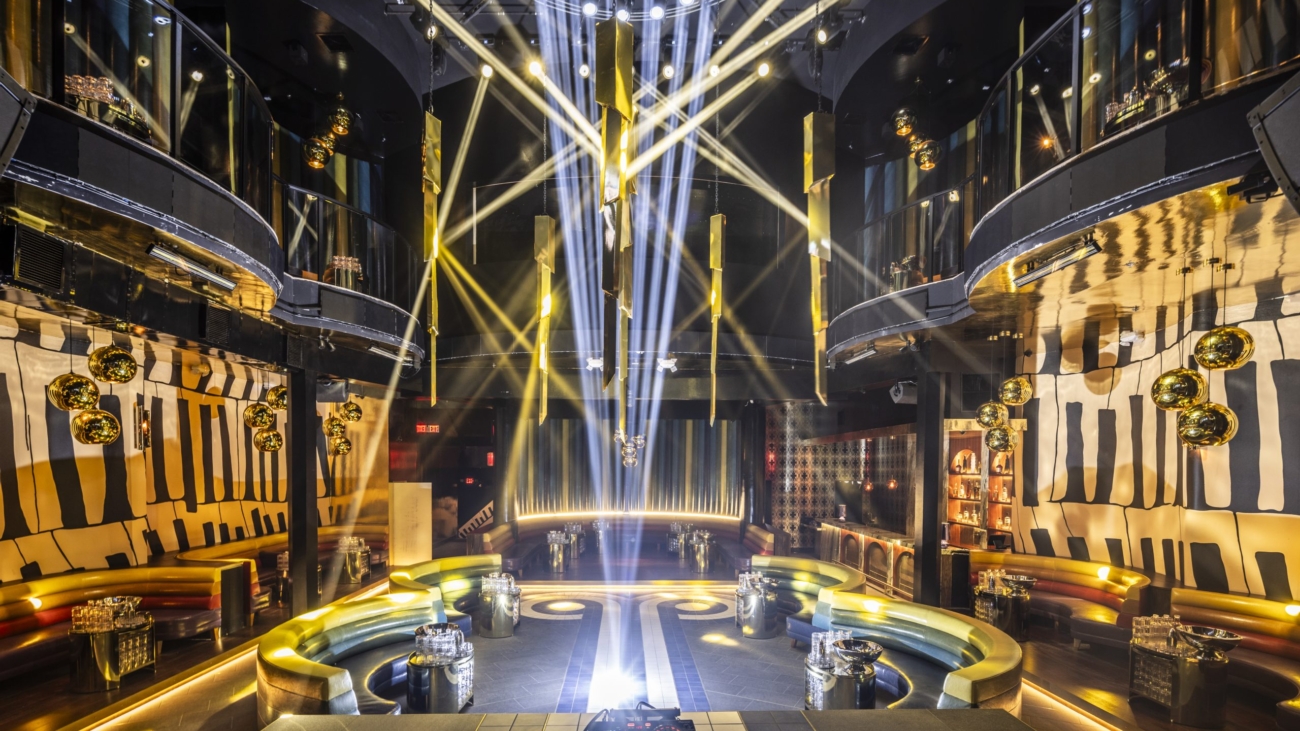
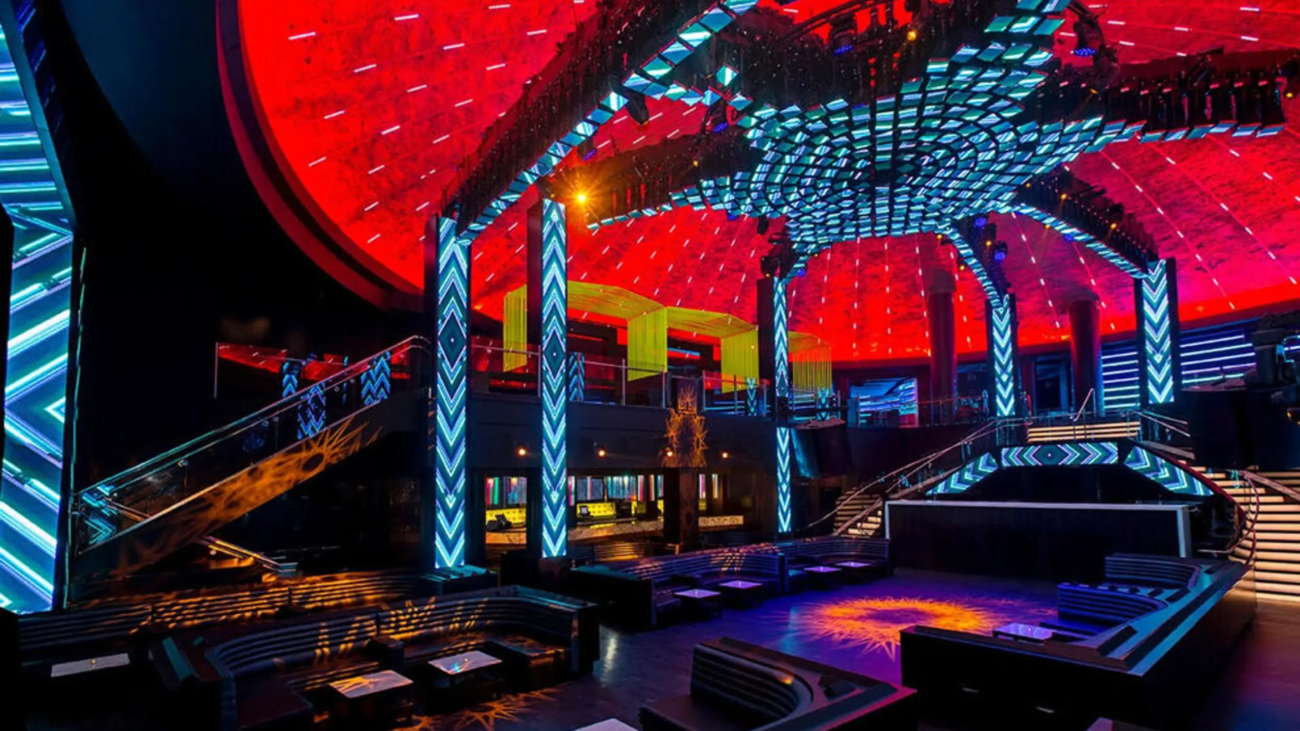
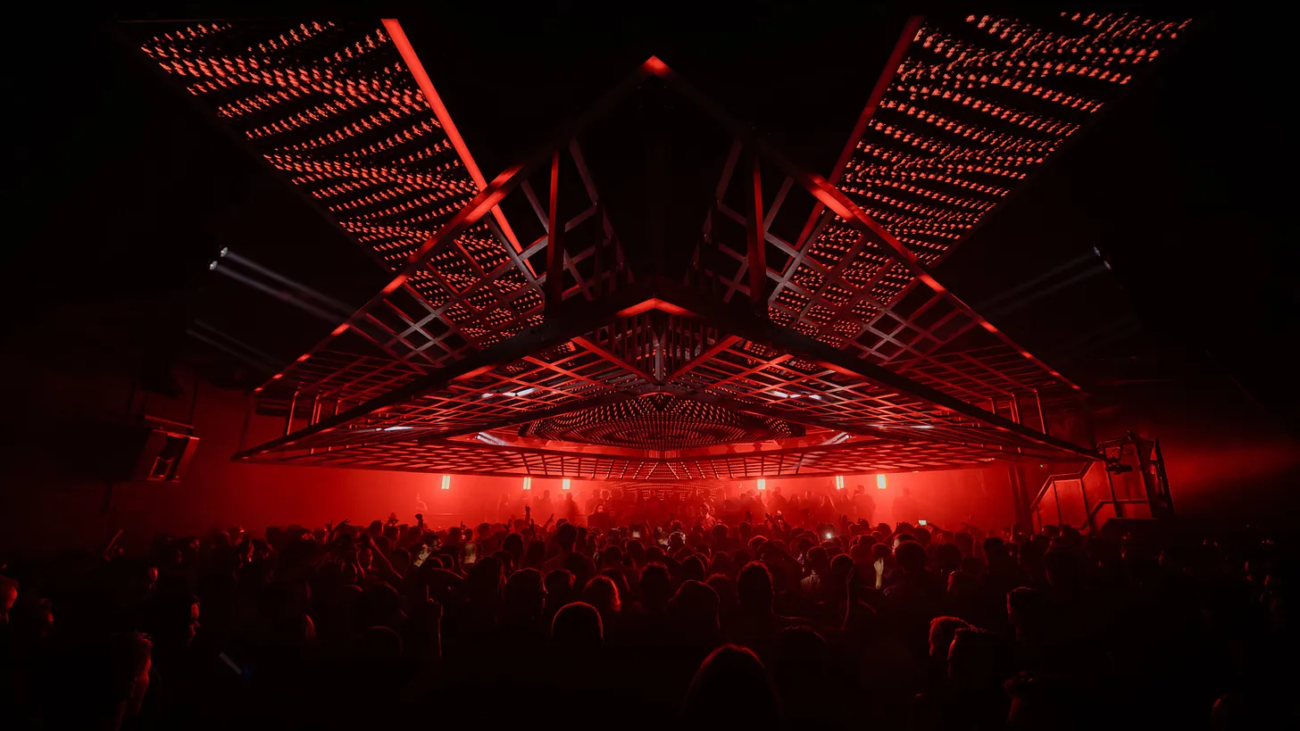
To mark its 35th anniversary, Ministry of Sound unveiled its most comprehensive main room transformation in the venue’s history. The renovation was not cosmetic. The club retired its long-standing Martin Audio sound system entirely and replaced it with a custom KV2 Audio setup designed specifically for the space, delivering a sonic experience calibrated to every corner of the room with a precision that the previous system could not match. Even more striking architecturally was the decision to lower the DJ booth physically into the crowd, creating a 360-degree dancefloor experience in which the audience surrounds the performer rather than facing them from a fixed position. The result is something that feels simultaneously radical and deeply rooted in the original philosophy of what great club design is supposed to achieve. Read The Full Article on the JamFest Substack!

The Scene Is Alive: What Is Happening Right Now Across Live Music
Club Night - JamFest

Club Night broadcasts on Saturday nights and Sunday Spunday runs through Sunday morning, but the JamFest community never fully stops paying attention to the broader live music ecosystem that feeds and surrounds the electronic and dance culture we celebrate on air. This week has been an extraordinary one across multiple genres and scenes, and we want to bring you inside all of it before the first set drops tonight.

Taylor Goldsmith of Dawes has revealed details of a collaborative project that represents one of the more genuinely exciting creative combinations in the current jam and roots scene. The project brings together core players from Goose, Dead & Company, Circles Around the Sun, and Soulive alongside Goldsmith in a studio and live environment that crosses the natural boundaries between those scenes in ways that could produce something genuinely surprising. Goose has been the most talked-about band in the contemporary jam world for the past several years, and their players bringing that improvisational energy into dialogue with the Soulive approach to soul and funk and the Circles Around the Sun sensibility creates a combination that is worth watching closely as it develops. Read The Full Article on the JamFest Substack!

Billy Strings Back on the Road and Building Toward Something Historic
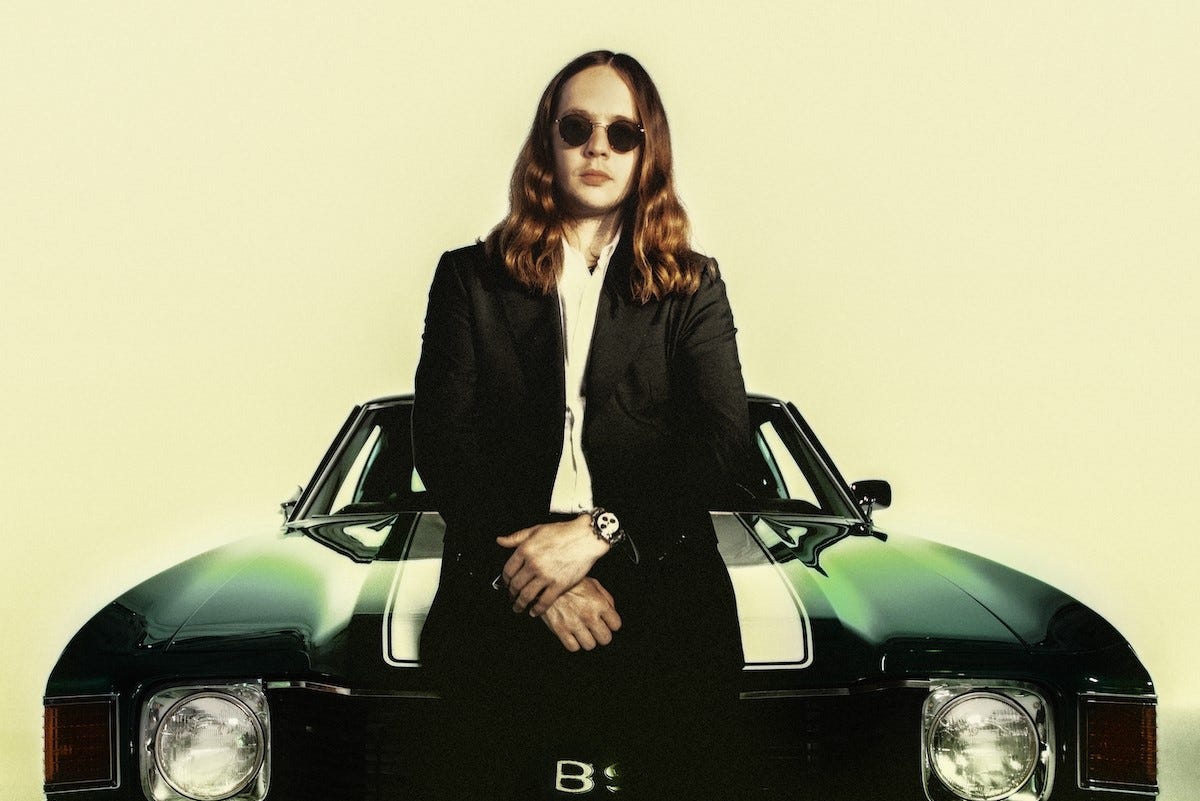
Billy Strings: Highway Prayers' transcendent tracks - Local Spins

The news that Billy Strings is officially restarting his summer tour after recovering from a skateboard injury is the kind of update that sends ripples through the entire progressive bluegrass and newgrass community, because when Billy Strings is touring at full capacity, the energy that radiates outward from his performances affects the entire live music conversation in ways that are difficult to fully quantify. The upcoming doubleheader nights at Portland, Maine on July 24 and 25, followed by the Bethel Woods dates on July 31 and August 1, are already generating the anticipation that his shows consistently produce: not just excitement about seeing great musicianship, but a specific expectation of surprise, of improvisation taken to lengths and directions that nobody in the room can predict. Read The Full Article on the JamFest Substack!

Widespread Panic in Oakland: Three Nights at the Fox and the Spirit of the West Coast Run
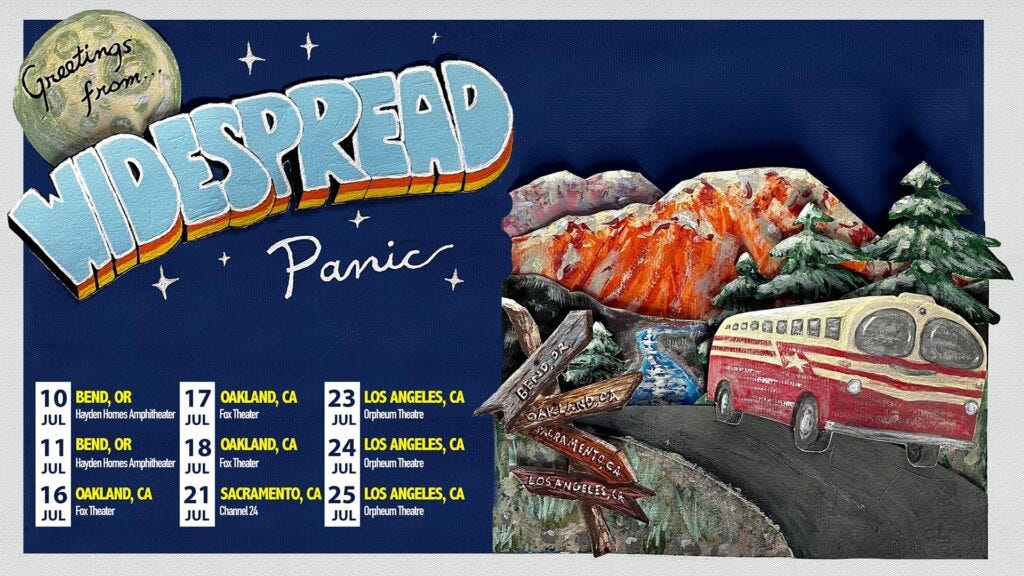
West Coast Panic - Widespread Panic

Widespread Panic is in the middle of one of their most sustained and high-energy touring periods in years. Fresh off the extraordinary Jackson Hole opener earlier this month, where Duane Betts joined the band at 8,000 feet for a twenty-minute rendition of Mountain Jam that became one of the most talked-about live music moments of the summer, the band has taken their momentum west. They are currently running three nights at the Fox Theater in Oakland, California, and the sets have been doing exactly what Panic sets do when the band is locked in: finding the deep improvisation inside familiar material and following it somewhere the audience does not see coming. Read The Full Article on the JamFest Substack!

Bob Dylan, Julian Lage, and the Fall European Tour
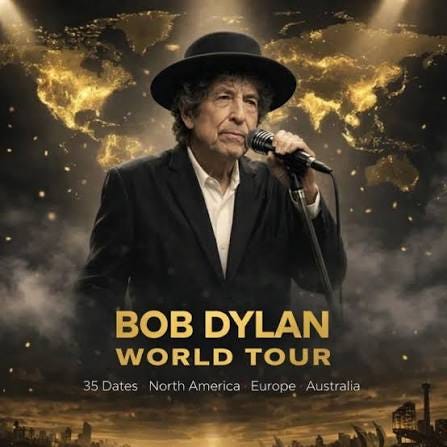
Bob Dylan's US Tour continues with Julian Lage back in the fold, while Dylan  announces fall European dates. Info below

Bob Dylan has announced a massive fall European tour, which at this stage of his career is as much a statement about his continued commitment to the road as it is a tour announcement.

Dylan at 85 years old remains one of the most active touring artists in American music history, which is a fact that never stops being remarkable regardless of how many years it has been true.

The fall European dates extend a touring cycle that has already covered substantial North American territory in 2026.

Read The Full Article on the JamFestSubstack!

Eggy and Dogs in a Pile: The Next Generation Claims Its Own Moment
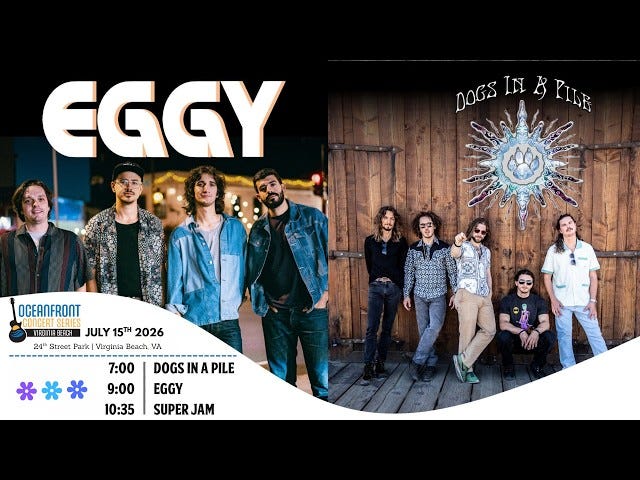
Eggy / Dogs In A Pile - Livestream - 7/15/26 - Ocean Front Concert Series -  Virginia Beach, VA - YouTube

Two of the most genuinely exciting younger bands in the current live music and jam scene have done something together that deserves more attention than a simple news item. Eggy and Dogs in a Pile, both building serious momentum through intensive touring and a rapidly expanding fanbase that skews younger than the traditional jam community demographic, went into the studio together and recorded a live cover of David Bowie’s “Let’s Dance.” The result represents something about where the next generation of improvisational music is positioning itself: not in opposition to the classic influences but in active, joyful dialogue with them. Read The Full Article on the JamFest Substack!

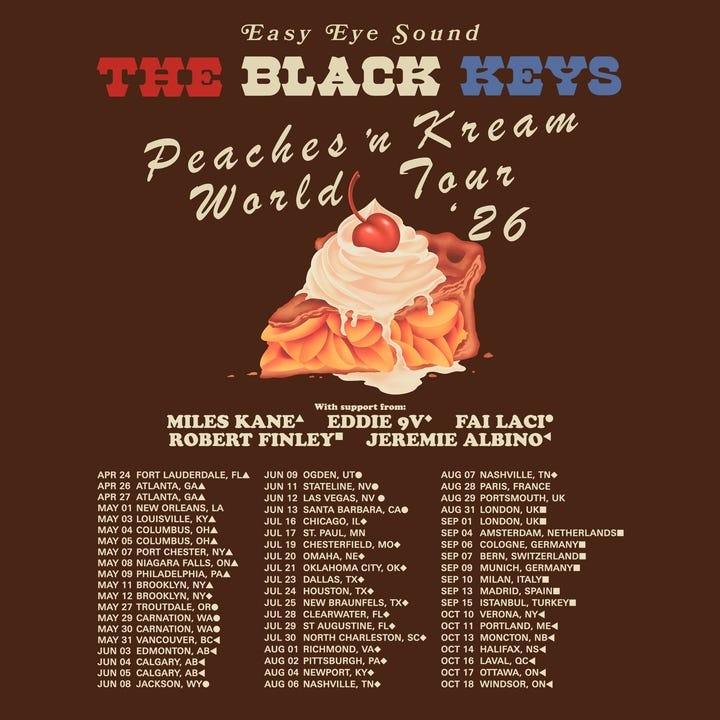
Eddie 9V Opens for The Black Keys and Announces New Album
Eddie 9V La Vista Tickets, The Astro Jul 20, 2026 | Bandsintown

Eddie 9V occupies a particular and precious space in the current roots and soul landscape. He plays with the kind of deep knowledge of the blues and soul tradition that usually comes only from decades of immersion, and he channels that knowledge through an original voice that does not mistake reverence for imitation. His slot opening for The Black Keys is the kind of career opportunity that a working musician at his level earns through years of consistent, serious artistic development, and the Chicago opener this week was a statement of readiness. Read The Full Article on the JamFest Substack!

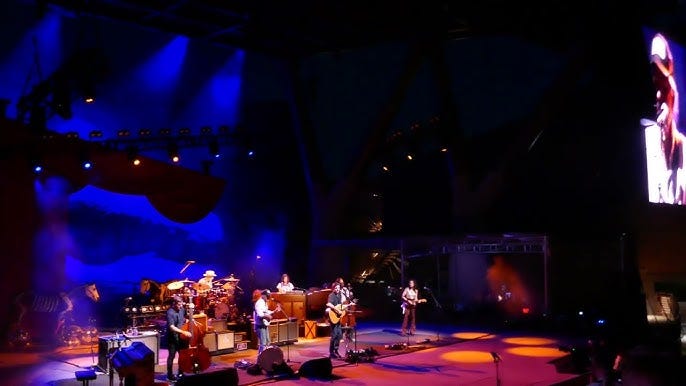
The Avett Brothers at Red Rocks: A Grateful Dead Debut on the Fortieth
The Avett Brothers - Ripple (Grateful Dead Cover) - Red Rocks Amphitheatre  - 7/11/2026

The Avett Brothers have spent their career building an audience that understands the band as something genuinely difficult to categorize: too folk for rock, too rock for folk, too emotional for indie, too indie for country, and too country for everything else. Their music has always existed in a space of its own making, which is perhaps why it has always attracted listeners who are looking for something more than genre satisfaction. The forty headlining shows at Red Rocks Amphitheatre represent a milestone that very few artists reach, and the band chose to mark the occasion with a surprise that spoke directly to the community’s deepest musical values. Read The Full Article on the JamFest Substack!

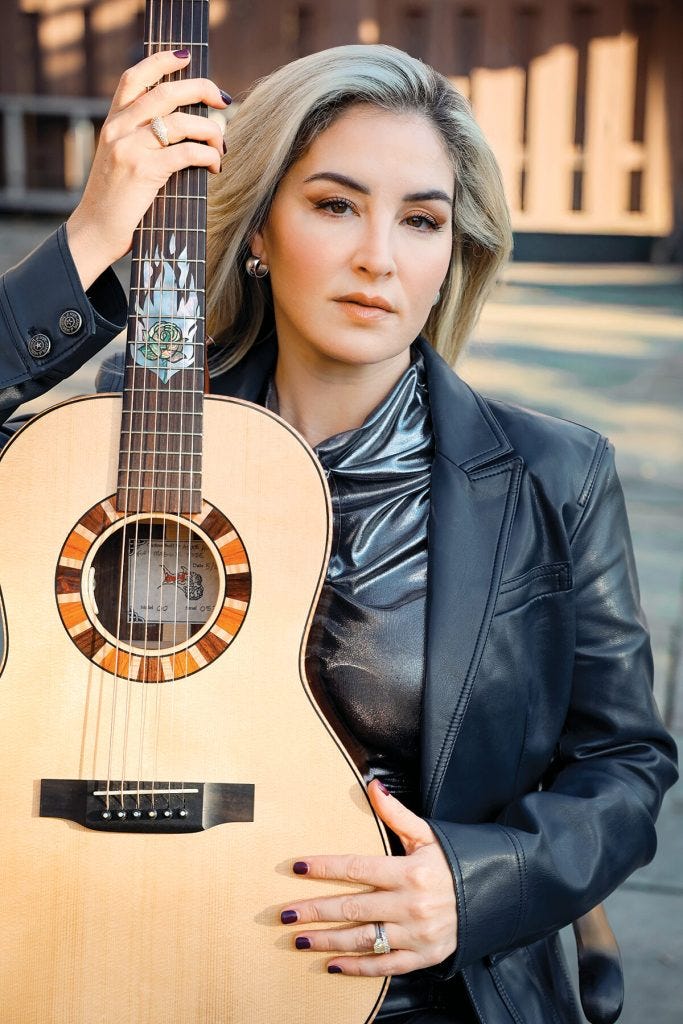
Maggie Rose and “Half Moon”: A Singer-Songwriter Ready for Her Moment
A conversation with singer-songwriter Maggie Rose

Maggie Rose is an artist who has been doing the work for long enough that the word “anticipated” feels fully earned when attached to her forthcoming album Half Moon, due August 14. The pair of singles she released this week ahead of the full record demonstrates a songwriter operating with confidence and specificity, which are the two qualities that separate artists who have genuinely found their voice from artists who are still searching for it. Rose has found hers, and Half Moon appears to be the record on which that fully discovered voice gets its widest and most appropriate platform. Read The Full Article on the JamFest Substack!

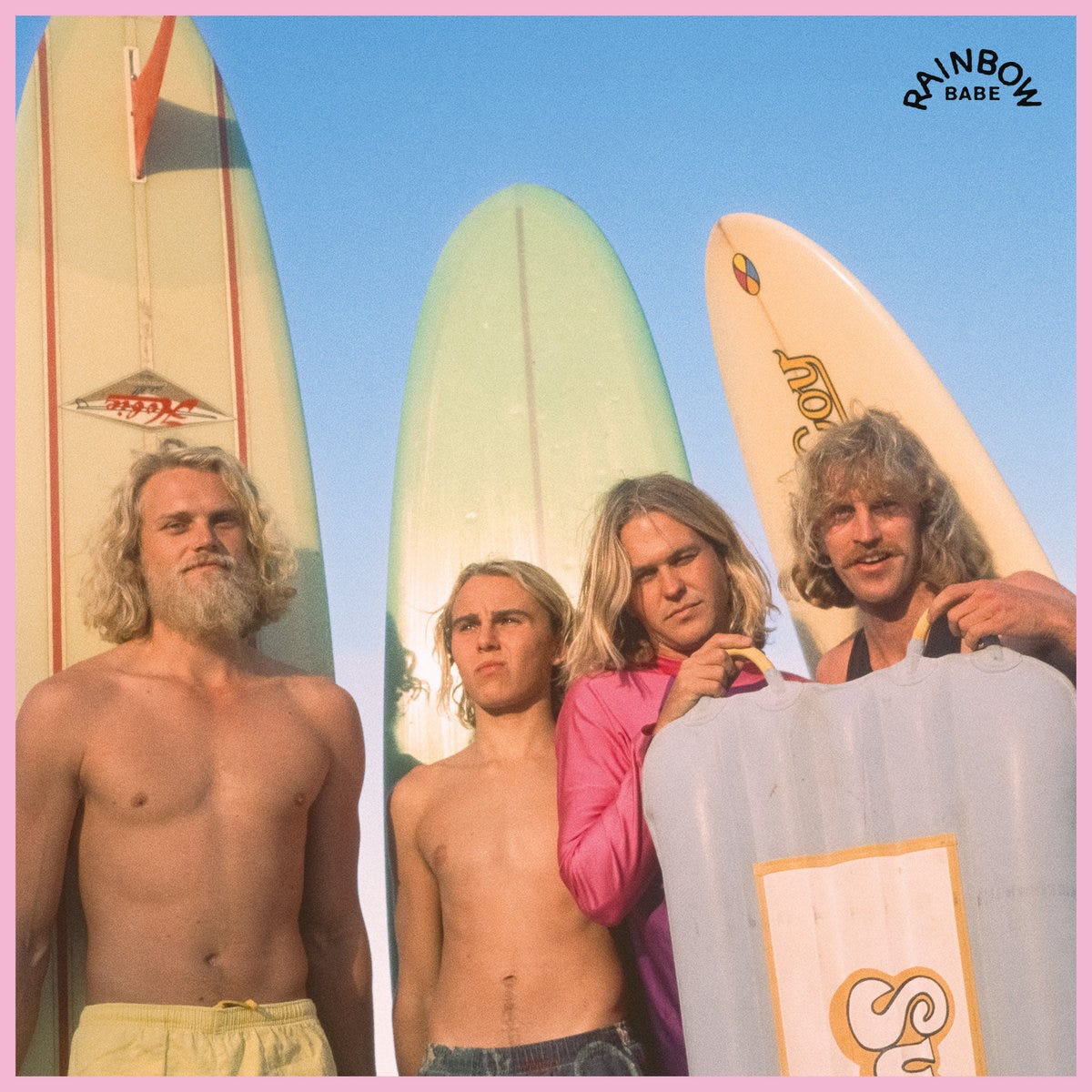
Babe Rainbow at the Foundry: Philadelphia Gets Psychedelic Surf Rock
Babe Rainbow: Found Just in the Nick of Time — Music Mil

For listeners in the Philadelphia area who want to experience the psychedelic and improvisational end of the live music spectrum in person this month, Babe Rainbow plays the Foundry at the Fillmore on July 30. The Australian psychedelic surf rock collective occupies a delightful corner of the contemporary scene, bringing hazy, sunlit grooves and a genuinely communal approach to live performance that rewards the kind of open, unhurried listening that the best live music always requires. The Foundry is a well-suited room for what Babe Rainbow does, intimate enough that the atmosphere they create can fully develop, and the July 30 date is a Thursday night show worth building the week around. Read The Full Article on the JamFest Substack!

Why the Floor Matters: The Philosophy Behind Club Night and Sunday Spunday
Club Night - JamFest

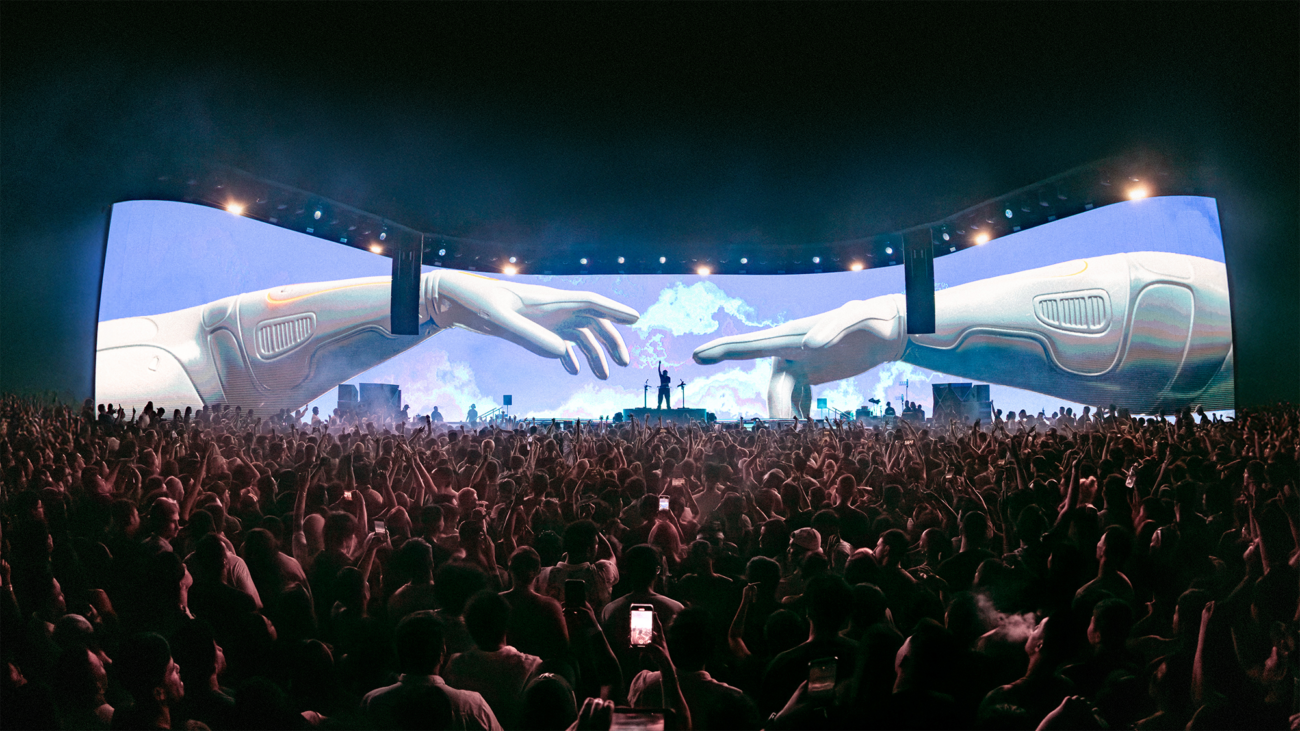
Everything we have covered tonight, from the Ministry of Sound renovation to the Billy Strings return, from Widespread Panic in Oakland to Eggy and Dogs in a Pile in the studio together, from Bob Dylan’s European tour announcement to the Avett Brothers playing “Ripple” at Red Rocks, connects to a single underlying truth about music and the people who love it. The floor is where the truth lives. Not the recording, not the stream, not the playlist. The room, the sound system, the DJ or the band, the crowd, the moment when everything aligns and the music does something to the air and the bodies moving through it that cannot be reproduced anywhere else. Read The Full Article on the JamFest Substack!

JamFest | Club Night Radio Show, every Saturday night from 10 PM to 2 AM EST, featuring DJ sets, studio remixes, EDM, and the greatest sounds from music festivals around the world. Sunday Spunday continues the party from 2 AM EST through Sunday morning at 9 AM EST. The floor is always open. Read The Full Article on the JamFest Substack!


Coming Up on JamFest

🎵 All Things Considered Live— Mondays at 7 PM EST

🎵 NewGrass Radio — Mondays at 7 PM EST

🎵 Live Nuggets — Tuesdays at 9 PM EST

🎵 NRN Radio Show — Wednesdays at 9 PM EST

🎵 Festival Radio Show — Thursdays at 9 PM EST

🎵 What is Hip?! — Fridays at 10 PM EST

🎵 Club Night — Saturdays at 10 PM EST

🎵 Sunday Spunday — Sundays at 2 AM EST

🎵 Gospel Lunch — Sundays at 12:30 PM EST

🎵 Project Reggaeologist — Sundays at 10 PM EST

🎵 Live From The Vault — TBD Coming Soon!

Stay tuned to JamFest for breaking music news, concert coverage, festival updates, tour announcements, and the greatest live recordings ever captured. Read The Full Article on the JamFest Substack!
Club-XYZ

The Last Dance, the New Wave, and the Unstoppable Pulse of Global Electronic Music – JamFest presents the Club Night Radio Show into Sunday Spunday All Night Long

There is a moment on a dance floor — you know the one — where the bass drops just right, the room collectively exhales, and for a few seconds, nothing else in the world exists. No rent hikes. No headlines. No calendar. Just the beat, the bodies, and the beautiful, unspoken agreement that everyone in that room chose to be exactly here, exactly now. That moment is what we have always been about at Club Night Radio Show, and it is what makes tonight — a night that carries both celebration and mourning, both energy and elegance — one of the most meaningful broadcasts we have ever aired.

Tonight is not just another Saturday. Tonight, we are dancing for the ones who paved the way. Tonight, we are spinning for a culture that refuses to die, even when the walls that once held it begin to close. And tonight, broadcasting live from the studio starting at 10:00 PM EST and running through 2:00 AM EST — with the party continuing all the way into Sunday morning around 9:00 AM EST on Sunday Spunday — we bring you four-plus hours of the most powerful electronic music on the planet, curated for a night that demands nothing less.

Welcome to Club Night Radio Show. Let’s talk about what is happening in the world of dance, why it matters, and why the floor never truly goes dark.

A 22-Year Legacy Closes Its Doors: The Last Dance at Club XYZ

If there is one story that defines tonight more than any other, it is happening right now, in real time, on a street in Knoxville, Tennessee, where the lights are on one final time at a venue that shaped a community for over two decades.

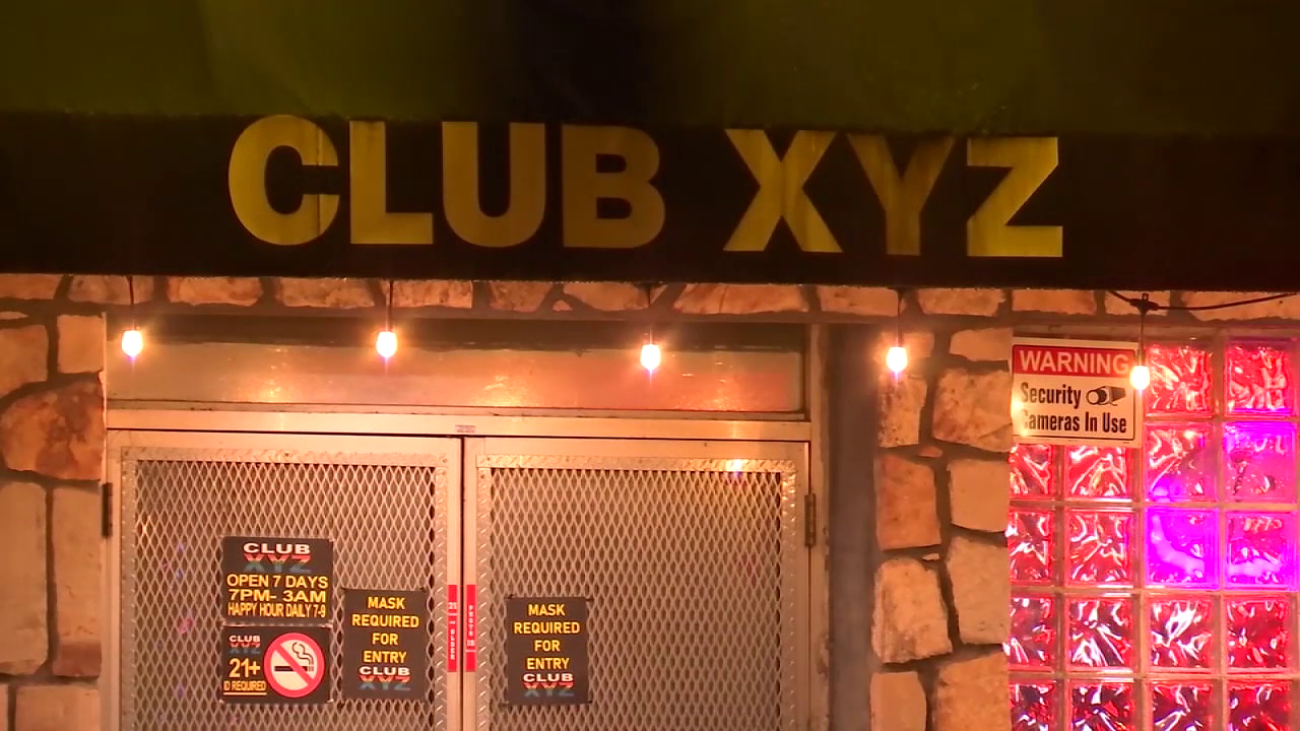
Club XYZ, the beloved LGBTQ+ dance club that opened its doors in October 2004 and became one of Happy Holler’s most iconic and culturally significant nightlife destinations, is hosting its absolute last night of operation tonight, June 27, 2026. After 22 years of drag performances, dance floors packed with joy, and a space that offered sanctuary, belonging, and pure liberation to thousands of people across its lifetime, Club XYZ is shutting down due to sudden and unsustainable rent increases that left ownership with no viable path forward.

Let that land for a moment. Twenty-two years. That is not a nightclub. That is a living institution. That is generations of people who found their tribe, discovered who they were, fell in love, celebrated milestones, grieved losses, and danced through all of it under one roof. Club XYZ was not just a place to go on a Saturday night. It was a place that told an entire community, in no uncertain terms: you belong here, you are safe here, you are celebrated here.

The closure is the result of rent hikes — a pattern that has become all too familiar for independent, community-rooted venues across the country. As property values in neighborhoods like Happy Holler have risen alongside the broader gentrification sweeping through secondary markets, the businesses that gave those neighborhoods their character in the first place are being pushed out by the very desirability they helped create. It is a cruel and familiar irony, and Club XYZ is now its most heartbreaking local casualty.

For those who have never walked through those doors, it can be difficult to communicate what exactly is lost when a place like this closes. LGBTQ+ nightlife venues have historically served purposes far beyond entertainment. They have functioned as community organizing hubs, mental health lifelines, cultural archives, and spaces where people who were marginalized or invisible in their daily lives could exist fully and freely. Drag performances at Club XYZ were not mere entertainment — they were art, advocacy, and affirmation happening simultaneously, every single weekend, for over twenty years.

Tonight, as the final songs play and the last set wraps, the people filling that dance floor are not just saying goodbye to a building. They are honoring a legacy that touched thousands of lives and gave Knoxville something genuinely irreplaceable.

On Club Night Radio Show tonight, we are spinning in their honor. Every track carries a little extra weight. Every beat lands with a little more intention. The dance floor at Club XYZ may go dark for the last time tonight, but the spirit that lived inside it — that electric, defiant, joyful spirit — is exactly what electronic music was built to carry forward.

The Macro Crisis Beneath the Headline: Why Nightclubs Are Disappearing

Club XYZ’s closure is heartbreaking on its own terms, but it also arrives as a symptom of something much larger — a structural crisis in nightlife culture that has been building for years and has now reached a genuinely alarming inflection point.

Post-pandemic data paints a stark picture. Active nightspots across the United States and much of the Western world have declined by roughly 20 percent compared to pre-pandemic numbers from 2020. That is not a blip or a temporary adjustment period. That is a fundamental restructuring of how, where, and whether people gather to dance. The causes are multiple and interlocking: commercial real estate costs that have made ground-floor entertainment spaces financially unviable in most urban markets, the lingering behavioral shifts that followed years of lockdowns and social disruption, inflation squeezing both operators and patrons simultaneously, and a broader generational renegotiation of how nightlife fits — or no longer fits — into daily life.

For small, independent venues — the kind that have always been the backbone of dance culture, the incubators of new sounds, the safe havens for subcultures that never got programmed at the festival mainstage — the economics have become brutal. The cost of doing business has risen faster than ticket prices can absorb. Licensing, insurance, staffing, and rent have all moved in one direction while foot traffic has proven unpredictable and audience loyalty increasingly fragmented across dozens of competing entertainment options.

It would be easy to frame this purely as an economic story, and the economics are certainly dire. But the deeper loss is cultural. The traditional nightclub — loud, late, slightly chaotic, vibrating with collective energy and anonymous connection — served a social function that is genuinely difficult to replicate. It was one of the few spaces in public life where class markers blurred, where people from different backgrounds occupied the same floor and moved to the same rhythm, where the DJ functioned as a kind of secular conductor orchestrating a shared emotional experience. As those spaces disappear, what replaces them matters enormously.

What is emerging in their place is a different, more fragmented landscape — and it tells us a great deal about how culture shifts under pressure.

The Rise of Soft Clubbing and Day Rave Culture

Walk into certain corners of the internet today, and you will encounter a concept that would have seemed like a contradiction just a decade ago: the sober dance party. No alcohol. No 3:00 AM last call. No stumbling home in the morning light. Instead, daytime events, wellness-conscious atmospheres, and a strict last call at 10:00 PM — because the whole thing starts at noon.

This is what has come to be called “soft clubbing,” and it is not a niche phenomenon anymore. Driven largely by Millennial and Gen Z attendees who are drinking less, prioritizing mental health, and reconsidering the relationship between nightlife and excess, the soft clubbing movement has produced events like the Earlybirds Club — which, in a striking piece of timing, held a massive throwback dance party in Salt Lake City today, June 27. The Earlybirds model is built around daytime dancing, clean energy, and the radical idea that you do not need to alter your consciousness to have a transcendent experience on a dance floor. You just need the right music.

The instinct behind it is not entirely new — the early house and techno scenes had deep roots in sobriety-adjacent culture, and the spiritual dimension of collective dance long predates alcohol as a social lubricant. What is new is the mainstream visibility of an explicit, branded alternative to the traditional model. Soft clubbing events are selling out. Day raves are becoming a genre unto themselves, complete with curated playlists, festival aesthetics, and social media ecosystems that rival anything happening after midnight.

This shift is worth taking seriously not as a replacement for late-night culture but as a signal about what people actually want from communal dance experiences. They want the transcendence. They want the connection. They want the music to take them somewhere. What they are increasingly willing to negotiate on is the specific conditions under which that happens.

For those of us who live and breathe the late-night hours — who know that there is something absolutely unreplicable about a room at 1:00 AM when everyone has surrendered to the same groove — this is a complicated moment. We honor what is emerging because it reflects a genuine desire for community and collective experience. And we also hold the line for the specific magic that happens when the clock ticks past midnight and the music gets deeper and the floor gets more honest.

Club Night Radio Show exists in that late-night space. We always will. From 10:00 PM to 2:00 AM EST and beyond into Sunday Spunday, we are the radio home for everyone who believes the best sets start when the rest of the world goes to sleep.

Global Pulse: What the International Electronic Music Scene Is Doing Right Now

Even as domestic venues struggle and culture wars over nightlife economics continue, the global electronic music scene is producing moments of genuine beauty and historical significance that remind us why this music matters and why it endures.

Tonight, we raise the broadcast in honor of one of the most visually and musically spectacular events in recent European club culture: a sold-out back-to-back performance at France’s breathtaking Château de Chantilly, where house music legend Carl Cox linked up with rising powerhouse Mau P for an open-air set that merged thirty years of headlining energy with the architectural grandeur of a centuries-old estate. The images alone are extraordinary — laser lights cutting through the French night sky, a crowd moving beneath stone towers and sculpted gardens, the universal language of electronic music being spoken in one of the most historically resonant settings imaginable. Events like this are what happens when dance culture grows fully into its own confidence, when DJs who once played underground warehouses command settings that rival any classical concert hall for sheer magnificence. Carl Cox has been one of the most important figures in global electronic music for three decades, and watching him command a stage like Château de Chantilly alongside next-generation talent like Mau P is a masterclass in how this culture evolves while never losing its core identity.

Across the continent in Berlin — still the global capital of techno in ways that no other city has seriously challenged — RSO has launched its official fifth-anniversary tour with a move that carries significant institutional weight. For the first time in its history, RSO is exporting its resident community outside the Berlin city limits, collaborating with partner clubs in Paris, Brussels, and Madrid throughout the summer months. This is not simply a touring circuit — it is a statement about the portability and universality of the culture that venues like RSO have nurtured within their walls. The fact that Berlin’s techno institutions are beginning to project outward speaks to the maturation of a scene that spent years being protective of its specificity. Something is shifting. The underground is no longer just underground.

Not all of tonight’s European news is celebratory. Several high-profile outdoor events on the continent, including Rotterdam’s Nous’klaer Festival, were abruptly canceled today in response to extreme heat warnings that health authorities deemed medically dangerous. This is becoming an increasingly common story across summer festival culture — climate conditions that simply were not part of the planning calculus a decade ago are now forcing cancellations, time changes, and venue redesigns in ways that will fundamentally reshape outdoor electronic music events in the years ahead. The conversation about climate and festival culture is no longer optional, and the industry’s response to events like today’s Rotterdam cancellation will be instructive.

Ten Years Since Pulse: Holding the Legacy of Queer Dance Culture

This month marks the ten-year anniversary of the Pulse nightclub shooting in Orlando, Florida — one of the deadliest mass shootings in American history and a targeted attack on a space that was, by every definition that matters, a queer dance sanctuary. Communities across San Francisco and throughout the country have held vigils, commemorative marches, and remembrance events to honor the 49 people who were killed that night simply for being who they were in a place that was supposed to be safe.

We hold that anniversary in our hearts on Club Night Radio Show. We hold it especially tonight, as we also witness the final hours of Club XYZ — because both events, separated by a decade and vastly different in nature, point to the same truth: the spaces where queer people have gathered to dance and be fully themselves have never been guaranteed. They have been built by community, defended by community, mourned by community, and rebuilt by community, over and over again.

The Pulse anniversary is not just a moment for grief, though grief is entirely appropriate. It is also a moment to name what those 49 people were doing when they were killed: they were dancing. They were in a nightclub on a Saturday night, doing exactly what humans have done in exactly those kinds of spaces for decades — finding joy, finding each other, moving together to music that made them feel alive. And the communities that continue to gather in spaces like that, week after week, are doing something quietly but profoundly resistant. They are insisting that joy is not optional. They are insisting that the dance floor is not a luxury. They are insisting that spaces of belonging and celebration matter, and that they will keep showing up.

Club Night Radio Show stands in that tradition. Not just as entertainment, but as an act of community. Every Saturday night, we build a space — over airwaves, through speakers, in earbuds and car stereos and living rooms and late-night apartments — where people who love this music can belong together, even if they are miles apart.

What Club Night Radio Show Is and Why Tonight Matters

For those joining us for the first time tonight — and if you are reading this, we are so glad you found your way here — Club Night Radio Show is exactly what it sounds like and so much more than the name implies.

Every Saturday night, beginning at 10:00 PM Eastern Standard Time, we go live from the studio with four hours of the most electrifying electronic music being made on the planet right now. House. Techno. EDM. Remixes from the best music festivals in the world. DJ sets that take you from deep and hypnotic to hands-in-the-air euphoric and everywhere in between. We close at 2:00 AM with the energy still peaking — because that is the only way to close — and then Sunday Spunday takes the baton and carries the party all the way through Sunday morning until around 9:00 AM EST.

This is not background music. This is a broadcast built for people who take electronic music seriously, who understand that the DJ is a storyteller, that a great set has architecture and intention and emotional movement, that the right track at the right moment can feel like revelation. We bring you that experience every single week, week after week, from our studio to wherever you are in the world.

Tonight’s broadcast carries all of the weight and meaning of everything described in these pages. We are celebrating a global scene that continues to produce extraordinary art at Château de Chantilly, expanding cultural reach in Berlin, weathering cancellations with grace, and building new models for communal experience in Salt Lake City. We are honoring ten years of Pulse’s legacy and the ongoing, irreplaceable importance of queer dance spaces. And we are dancing — genuinely, deliberately, with full hearts — in honor of Club XYZ’s final night, twenty-two years of joy signing off in Knoxville while we keep the signal going from our studio.

The floor never truly goes dark. The music keeps moving. And as long as Club Night Radio Show is broadcasting, the party is very much alive.

Why Electronic Music Endures: The Case for the Dance Floor

In moments like these, when venues close and scenes shift and culture feels like it is reorganizing itself in ways that are not entirely clear, it is worth stepping back and saying plainly what this music does and why it matters.

Electronic music — house music, techno, trance, drum and bass, EDM in all its countless forms — is one of the most democratic and emotionally direct art forms humans have produced. It does not require literacy to access. It does not require cultural context to feel. It bypasses the intellect and speaks directly to the body, to the nervous system, to the ancient, preverbal part of the brain that has always responded to rhythm and repetition and collective sound. When a DJ reads a room correctly and plays the right record at the right moment, what happens is not merely entertainment. It is a kind of communion.

This is why the dance floor has always been a site of resistance as well as release. It is why LGBTQ+ communities built underground scenes in the face of discrimination — because the dance floor offered a freedom and an equality that the rest of society denied them. It is why electronic music emerged from Black and queer communities in Chicago and Detroit and New York in the 1970s and 1980s and then spread across the world: because it carried a spirit of liberation in its DNA. Every house track and every techno record that came after contains an echo of that original impulse, whether the listener consciously knows it or not.

When Club XYZ closes tonight, it is not the end of that spirit. When outdoor festivals get canceled due to heat and venues struggle under rent pressure and the landscape of nightlife shifts in ways none of us can fully predict, the spirit does not die. It migrates. It finds new forms. It shows up in day raves in Salt Lake City and open-air sets at French châteaux and anniversary tours in European techno capitals and, yes, in Saturday night radio broadcasts that run from 10:00 PM to well past dawn.

The dance floor is not a building. The dance floor is wherever people choose to show up for this music together. That has always been the truth. Tonight, we are reminded of it more clearly than ever.

Tune In Tonight: Club Night Radio Show, 10 PM EST

Tonight, we dedicate the entire broadcast to everyone dancing, everywhere. To the final floor at Club XYZ in Knoxville. To the Pulse community, ten years on. To the outdoor dancers in Rotterdam who did not get their night. To everyone showing up for soft clubbing and day raves and the evolving, irreducible desire to move together. And to every DJ, producer, promoter, and venue owner who has ever turned a room into something sacred.

Club Night Radio Show goes live at 10:00 PM Eastern Standard Time. We run through 2:00 AM EST. Sunday Spunday picks it up from there and carries the music all the way through Sunday morning until around 9:00 AM EST.

Come as you are. Stay as long as you can. The music is waiting.

Every Saturday night, we build the floor together — one track, one beat, one electric moment at a time.


Club Night Radio Show — Broadcasting live every Saturday night, 10 PM to 2 AM EST, continuing into Sunday Spunday through 9 AM EST. DJ sets, studio remixes, and the best electronic music from festivals around the world. The party never stops.

image

Global Nightlife Enters Its Next Era as Pacha New York, Ministry of Sound, and Borgata Atlantic City Redefine the Live Experience—and JamFest Is Already Broadcasting the Future—Club Night > Sunday Spunday!

The global nightlife industry is not simply evolving—it is undergoing a structural reset. Across three major markets—New York City, London, and Atlantic City—a new class of venue is emerging, engineered with precision to meet the demands of a changing audience, a shifting economic landscape, and a rapidly advancing technological frontier. What’s unfolding is not a trend cycle. It is a recalibration of how live electronic music is experienced, produced, and sustained. And from the vantage point of JamFest, this is exactly the moment where culture, technology, and live performance collide at full force.

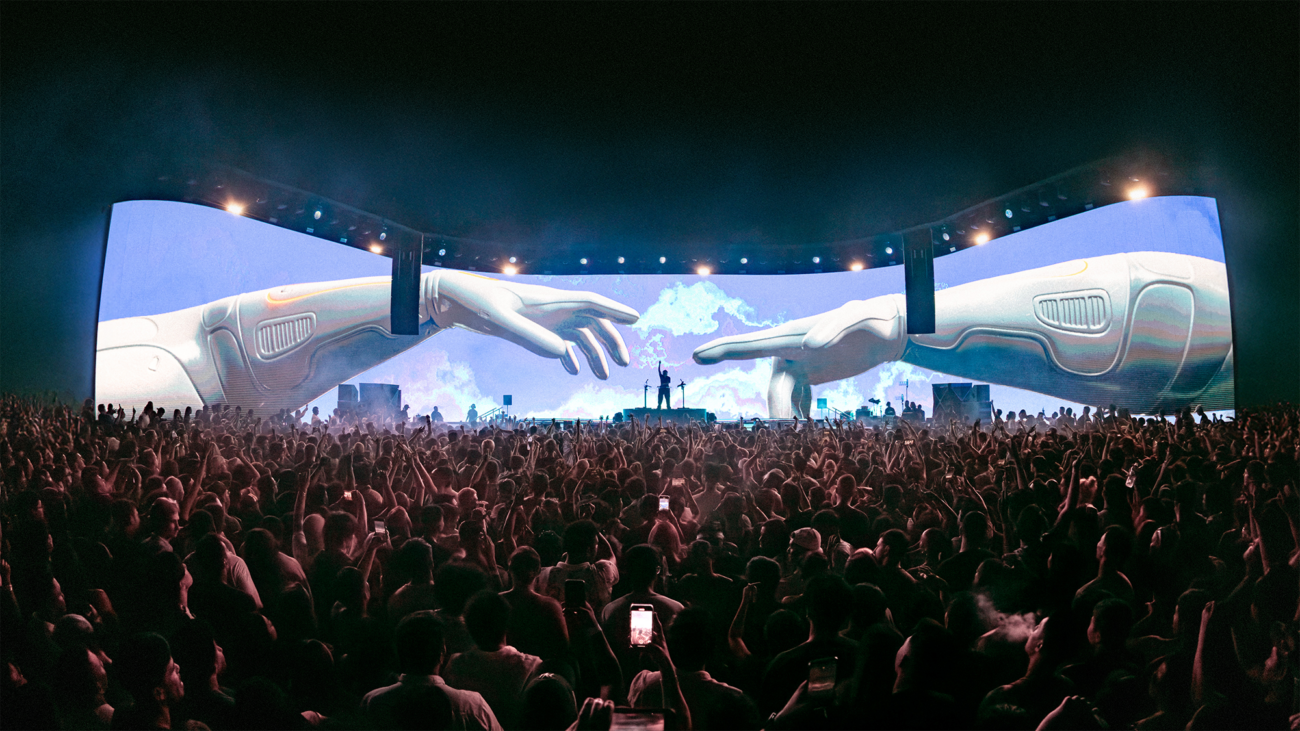
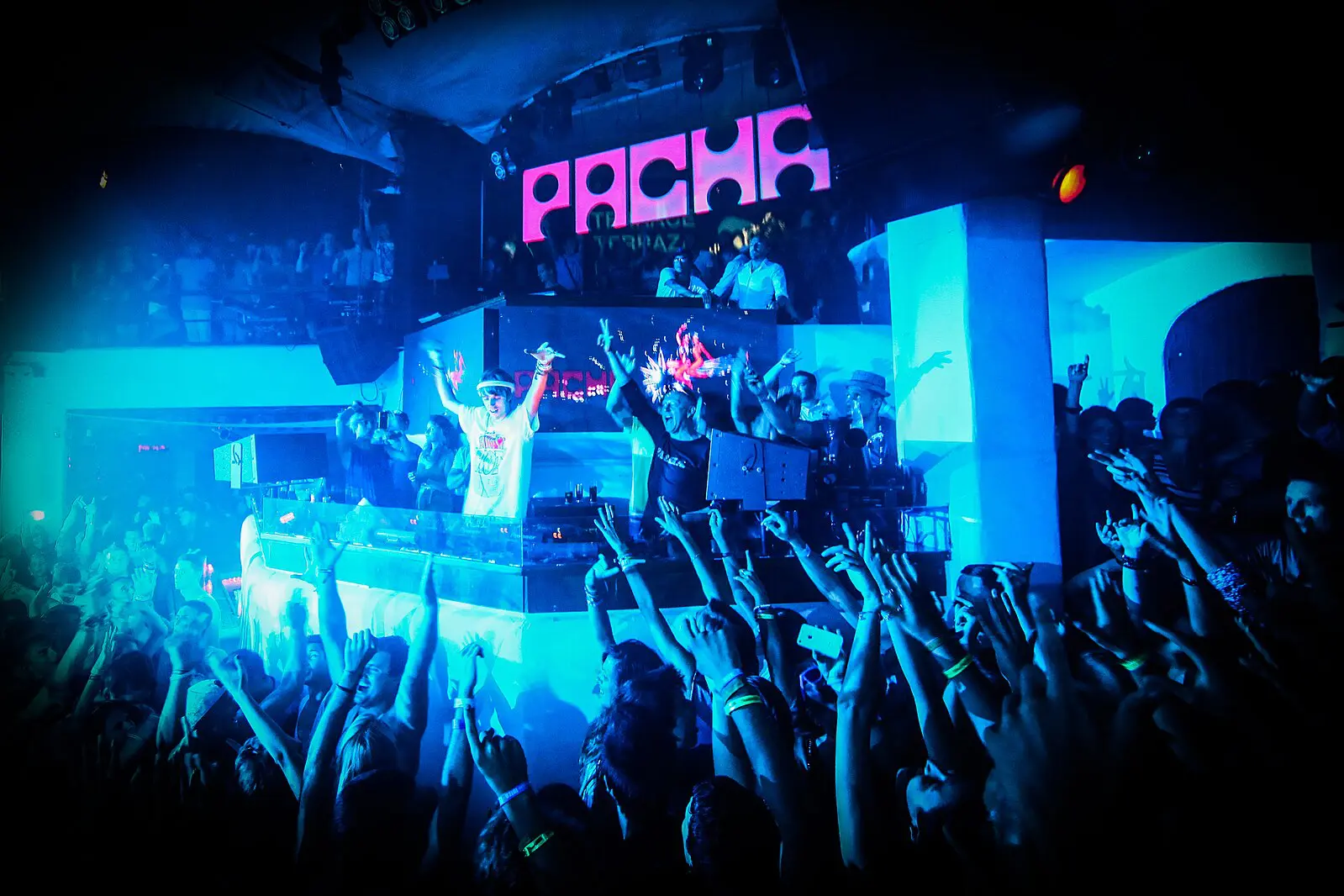
At the center of this transformation is the complete reinvention of one of New York’s most recognizable electronic music sites. The former Brooklyn Mirage has been entirely demolished and is now being rebuilt as Pacha New York, marking a high-stakes return of a globally recognized nightlife brand to the city for the first time in a decade. Backed by a major acquisition from FIVE Holdings, the new ownership group has committed to a total reimagining of the venue—one that prioritizes operational intelligence, acoustic engineering, and audience experience at a level rarely seen in the United States nightlife sector.

This is not a cosmetic rebrand. It is a ground-up reconstruction designed to solve the very problems that have challenged large-scale nightlife venues in recent years. AI-powered capacity monitoring is being integrated to manage crowd flow in real time, a direct response to both safety concerns and regulatory scrutiny. Entry systems are being upgraded with high-tech security infrastructure to streamline access without compromising control. And perhaps most notably, the installation of a fully directional, multi-million-dollar sound system represents a fundamental shift in how urban venues approach audio design—balancing immersive sonic delivery inside the space while dramatically reducing noise spill into surrounding neighborhoods.

Set to open on June 20, 2026, Pacha New York is not just reopening a venue—it is setting a new operational blueprint for large-scale nightlife in a dense urban environment like New York City. The seasonal nature of the outdoor experience remains intact, but the adjacent indoor Great Hall is being elevated into a year-round, multi-genre arena, effectively turning the property into a hybrid entertainment complex capable of hosting everything from global EDM acts to cross-genre live productions.

Across the Atlantic, a parallel transformation has already taken shape at one of the most iconic clubs in the world. Ministry of Sound has completed its most ambitious overhaul since opening its doors in 1991, marking its 35th anniversary with a complete reengineering of its flagship room, “The Box.” For decades, the venue has been synonymous with elite sound quality, and rather than preserve legacy for nostalgia’s sake, the decision was made to redefine it entirely.

The installation of a custom four-point KV2 sound system signals a departure from legacy audio setups in favor of precision-tuned, immersive acoustics designed for modern electronic production. This is not about louder sound—it is about cleaner, more dimensional audio that allows DJs and producers to fully articulate their work in a live environment. The redesign of the DJ booth, lowered into the crowd and made modular, eliminates the traditional barrier between performer and audience, creating a 360-degree performance ecosystem that aligns with the experiential expectations of today’s crowd.

Visual production has been elevated in equal measure. A new overhead lighting installation, combined with industrial-inspired video architecture, transforms the room into a fully synchronized sensory environment where light, sound, and movement operate as a single system. But perhaps the most telling shift is not technical—it is conceptual. By introducing initiatives like Ministry of Sound Games, a hybrid fitness and live music concept, the venue is acknowledging a broader cultural shift toward wellness, daytime programming, and diversified engagement. Nightlife is no longer confined to nighttime.

Meanwhile, in Atlantic City, a different but equally significant evolution is underway at Borgata Hotel Casino & Spa. The closure of its long-running Premier Nightclub has cleared the path for an entirely new 18,000-square-foot entertainment concept developed in partnership with Big Night, a hospitality group known for delivering high-impact live experiences in major metropolitan markets.

This project represents a strategic pivot. Rather than focusing solely on DJ-driven nightlife, the new concept introduces a multi-format approach, including a dedicated live band room known as Level One. This addition is more than a programming decision—it is a recognition that audiences are increasingly seeking variety, authenticity, and musicianship alongside electronic performance. By blending live instrumentation with high-end production, the Borgata is positioning itself to capture a broader audience while maintaining its status as a premier nightlife destination.

Taken together, these three developments reveal a clear pattern. The future of nightlife is being built on three foundational pillars: advanced technology, experiential depth, and programming diversity. Venues are no longer competing solely on talent bookings—they are competing on infrastructure, innovation, and the ability to deliver an environment that cannot be replicated digitally.

For JamFest, this shift is not theoretical—it is already embedded in the platform’s DNA.

Through its programming, JamFest has consistently championed the live experience as the defining element of music culture. The Club Night Radio Show stands as a direct extension of that mission, delivering high-energy DJ sets, in-studio mixes, and festival-driven EDM programming every Saturday night, seamlessly carrying listeners from peak nightlife hours into Sunday morning with its extended “Spunday” broadcast. Running from late night into the early hours—from 2AM EST through sunrise—the show captures the same continuous, immersive energy that these next-generation venues are being designed to deliver.

Club Night Radio Show and Sunday Spunday Define the Nonstop Pulse of Global EDM on JamFest

There is a clear dividing line between platforms that simply play electronic music and those that actually understand how nightlife energy is built, sustained, and delivered. JamFest operates firmly on the latter side of that line, and nowhere is that more evident than in the architecture of its weekend programming. The Club Night Radio Show is not designed as a segment—it is engineered as an environment, a fully immersive audio experience that captures the pacing, tension, and release of a world-class club night and translates it into a continuous broadcast format that never breaks the flow.

Every Saturday night, Club Night begins with intent. The sequencing is not arbitrary; it mirrors the real-world progression of a live DJ set, where early momentum is carefully constructed, rhythms are layered with precision, and the energy curve is shaped in real time. This is the difference between playing tracks and building a night. The show leans into expertly crafted mixes, in-studio DJ sessions, exclusive remixes, and festival-driven sound design that reflects what is happening across the global electronic circuit—from underground house and techno to peak-time festival anthems and late-night after-hours grooves. The result is a sonic environment that feels alive, responsive, and deeply connected to the culture it represents.

What separates Club Night from conventional radio programming is its commitment to authenticity in format. DJs are given space to create—not just to mix songs, but to construct narratives. Transitions matter. Dynamics matter. The rise and fall of intensity matters. Listeners are not dropped into isolated tracks; they are carried through a cohesive, evolving experience that mirrors what you would expect to hear inside a high-level club or festival setting. That fidelity to the live experience is what allows Club Night to resonate far beyond a standard broadcast.

And then, without interruption, the night expands.

As the clock pushes deeper into the early hours, Club Night transitions seamlessly into Sunday Spunday, extending the experience into a full-spectrum overnight session that carries from 2AM EST through the sunrise hours and into Sunday morning. This is not a separate program—it is a continuation, a deliberate extension of the same energy, designed for those who understand that the most meaningful moments in electronic music often happen long after the peak hours have passed.

Sunday Spunday is where the atmosphere shifts from high-intensity peak to immersive depth. The programming opens up, allowing for deeper cuts, longer blends, and more experimental selections that reflect the after-hours ethos of global dance culture. It is where tempo and mood evolve naturally, where transitions stretch, and where the music is allowed to breathe without losing its forward motion. This is the space where listeners who stay with the experience are rewarded—not with repetition, but with progression.

The continuity between Club Night and Sunday Spunday is not accidental. It is structural. Together, they form a unified broadcast cycle that mirrors the real-world lifecycle of electronic music events—from the build, to the peak, to the after-hours journey that defines the true depth of the culture. It is a format that respects the listener’s time, their attention, and their understanding of how electronic music is meant to be experienced.

This approach places JamFest in a distinct position within the digital audio landscape. While many platforms fragment their programming into isolated blocks, JamFest leans into duration, immersion, and cohesion. It treats the weekend not as a collection of shows, but as a continuous narrative—one that unfolds in real time and rewards those who engage with it from start to finish.

Because at its core, this transformation is not about replacing what came before. It is about refining it. It is about taking the raw energy that has always defined live music—from jazz in Congo Square to underground club nights in London—and enhancing it with the tools, technology, and design thinking of a new era.

As 2026 unfolds, the message is clear. Nightlife is no longer just about the night. It is about the full-spectrum experience—before, during, and long after the lights come up. It is about spaces that think, systems that adapt, and programming that evolves in real time. And as these flagship venues prepare to open their doors or unveil their next phase, they are not just welcoming audiences back—they are inviting them into a completely redefined version of what live music can be.

JamFest isn’t watching this shift from the sidelines. It’s already broadcasting it.

large_9129_studio54

JamFest Expands the Sound Inside the Cultural Convergence of Club Music, Club Night Energy, and the Reinvention of an Iconic New York Space

There are moments when music, culture, and physical space align in a way that feels larger than programming or performance—something closer to a full-spectrum experience that connects eras, audiences, and artistic disciplines. JamFest is operating directly in that lane right now, pushing beyond the traditional boundaries of radio and live-event storytelling into something more immersive, more continuous, and far more reflective of how modern audiences actually engage with music. What is unfolding is not just a schedule or a lineup—it is a living, breathing ecosystem of sound, anchored by deep musical credibility and amplified by a forward-thinking approach to curation.

At the center of this evolution is Club Night, JamFest’s Saturday night flagship that transforms the platform into a global electronic music conduit. This is not a casual mix show or a passive playlist—it is a full-scale sonic takeover that bridges the studio and the festival circuit, pulling energy from the world’s most iconic dance floors and delivering it directly into listeners’ homes, cars, and headphones. Every Saturday night, the format shifts into high gear with DJ-driven programming, original remixes, and a rotating current of electronic music that spans genres, tempos, and continents. From peak-hour festival anthems to underground cuts that rarely surface outside elite club environments, Club Night is engineered as a continuous experience, not a segmented broadcast.

What sets it apart is the commitment to flow. The transition into Sunday Spunday—beginning at 2AM EST and extending deep into the morning hours—ensures that the energy does not drop; it evolves. This overnight stretch is where the lines between live performance, DJ culture, and curated radio dissolve entirely. It mirrors the arc of a real night out: the early momentum, the late-night intensity, and the sunrise comedown where deeper, more atmospheric sounds take over. In a media landscape often defined by short attention spans and fragmented content, JamFest is leaning into duration, immersion, and narrative through sound.

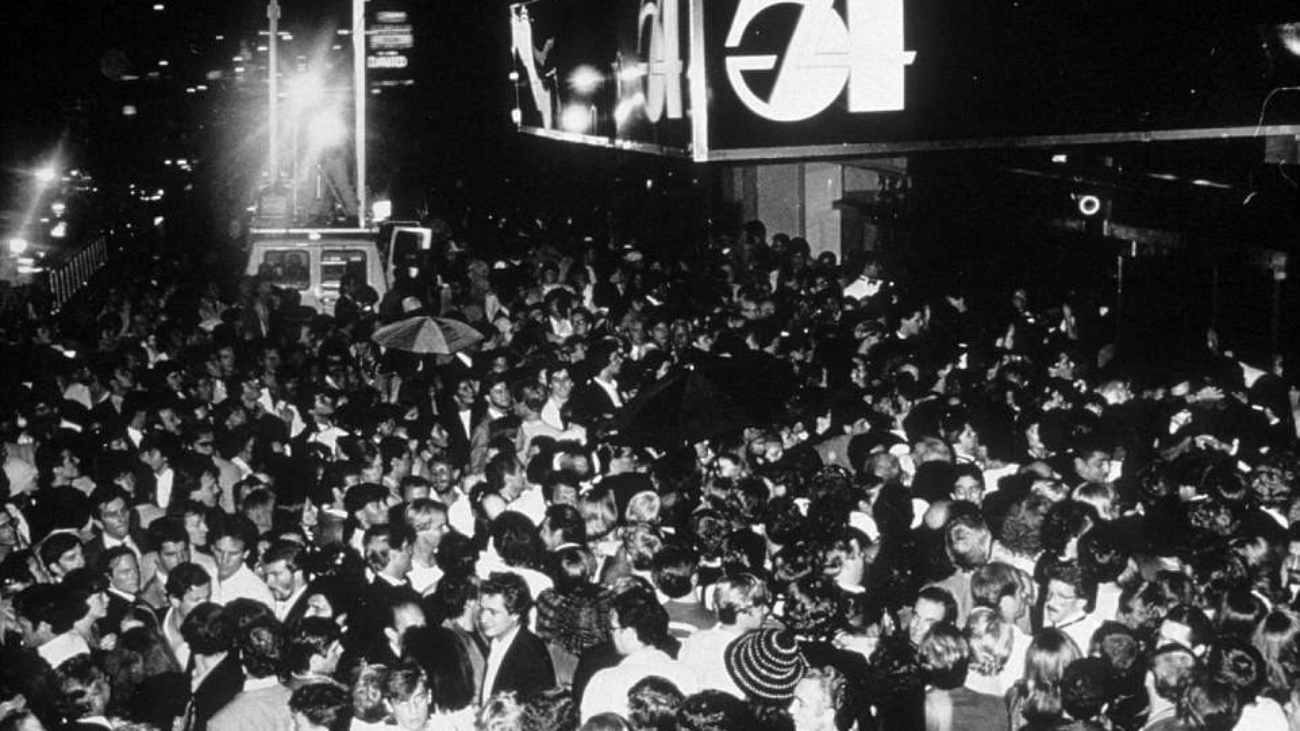
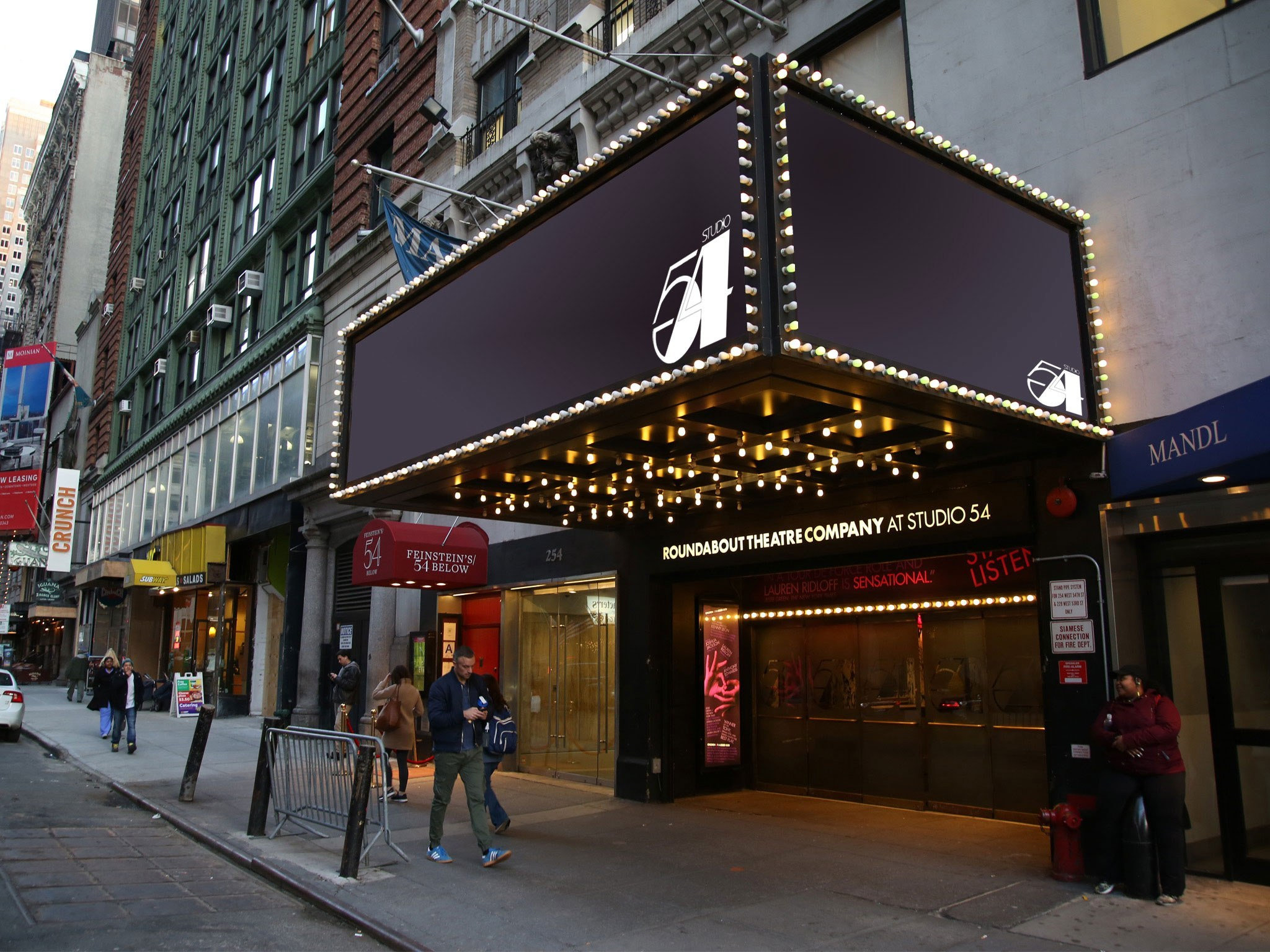
That philosophy of continuity and reinvention is not confined to the airwaves. It finds a powerful parallel in the physical transformation of one of New York City’s most storied cultural addresses: 254 West 54th Street. Once synonymous with the excess, glamour, and cultural upheaval of the original Studio 54 era, the building has continued to evolve, and now it is entering another defining chapter. The Roundabout Theatre Company’s recently announced $100 million renovation marks the first comprehensive overhaul of the venue in decades, signaling a renewed commitment to both preservation and innovation.

The scope of the project is significant. The goal is not simply to modernize, but to elevate the space into a fully optimized, future-facing performance environment. Accessibility is being expanded in meaningful ways, ensuring that a broader audience can experience what the venue has to offer. Advanced assisted listening systems will be integrated, aligning with contemporary expectations for inclusivity and technical excellence. Perhaps most notably, the restoration of a permanent stage and the addition of a full orchestra pit represent a deliberate return to theatrical fundamentals that had been absent since the building’s transition away from its disco roots in the 1980s. This is not nostalgia—it is strategic reinvention.

Equally important is the reimagining of the building’s third floor into a flexible-use space designed for artistic development, education, and community engagement. This addition reflects a broader shift in how cultural institutions operate today. It is no longer enough to present finished work; there is a growing emphasis on fostering the process behind it, creating environments where artists can experiment, collaborate, and connect with audiences in more direct and meaningful ways. In that sense, the building’s evolution mirrors JamFest’s own trajectory—both are expanding their roles from platforms of presentation to engines of creative exchange.

Despite the scale of the renovation plans, the venue remains very much alive in the present. Current productions are drawing significant attention, including a high-profile revival of The Rocky Horror Show that has already extended its run due to overwhelming demand. With a cast that blends theatrical precision and cultural recognition, the production reinforces the venue’s ability to balance legacy appeal with contemporary relevance. Looking ahead, the scheduled staging of Oedipus signals a continued commitment to ambitious, thought-provoking programming that spans genres and eras.

The building’s legacy as a cultural crossroads is also being actively revisited through brand activations and special events. A one-night-only reopening in September 2025 reintroduced the spirit of the original club to a new generation, serving as the backdrop for a major fashion and beauty launch that drew directly from the aesthetic codes of the 1970s. These moments are not attempts to recreate the past—they are reinterpretations, using the mythology of the space as a foundation for new creative expressions.

Downstairs, 54 Below continues to operate as one of the most respected cabaret venues in the country, offering an intimate counterpoint to the larger-scale productions above. Its programming remains consistently strong, attracting performers who bring both technical mastery and emotional depth to the stage. This layered approach—large theater, experimental community space, and intimate cabaret—creates a vertical ecosystem of performance that few venues can match.

There is a throughline connecting all of this, and it is rooted in the idea that music and performance are not static. They are constantly being reshaped by context, by technology, and by the expectations of audiences who are more connected and more discerning than ever before. JamFest’s Club Night and Sunday Spunday embody this shift on the broadcast side, delivering a continuous, evolving experience that reflects the rhythms of real-world music culture. The transformation of 254 West 54th Street reflects it in physical form, demonstrating how even the most iconic spaces can adapt without losing their identity.

For listeners and fans, the result is a richer, more integrated experience. You can move from a late-night DJ set that captures the pulse of a global festival to a historic venue that is redefining what live performance looks like in the modern era, all within the same cultural orbit. That is the power of thoughtful curation and strategic evolution—it creates connections that feel organic, even when they span decades and disciplines.

JamFest is not simply keeping pace with the culture; it is actively shaping how that culture is experienced. And as Club Night continues to expand its reach, carrying listeners from Saturday night into Sunday morning without interruption, it reinforces a simple but powerful idea: the best music experiences are not confined to a moment. They are extended, immersive, and built to be lived in.

nightlife-nyc

This Week in Club Music History, From Studio 54 to the After-Hours That Never Sleep and it is Club Night & Sunday Spunday on JamFest!

Club culture has always moved in cycles — moments of excess, rebellion, reinvention, and underground revival. This week, those cycles collide in a powerful way. As December 13 arrives, the dance music world once again brushes up against some of the most pivotal nights in nightlife history, while modern club culture continues to push forward through late-night sets, festival energy, and all-night dance floors.

JamFest exists to connect those dots. From the iconic rooms that changed music forever to the after-hours culture that keeps the pulse alive today, this week is a reminder that the club scene has never been just about going out — it’s been about shaping sound, identity, and community.

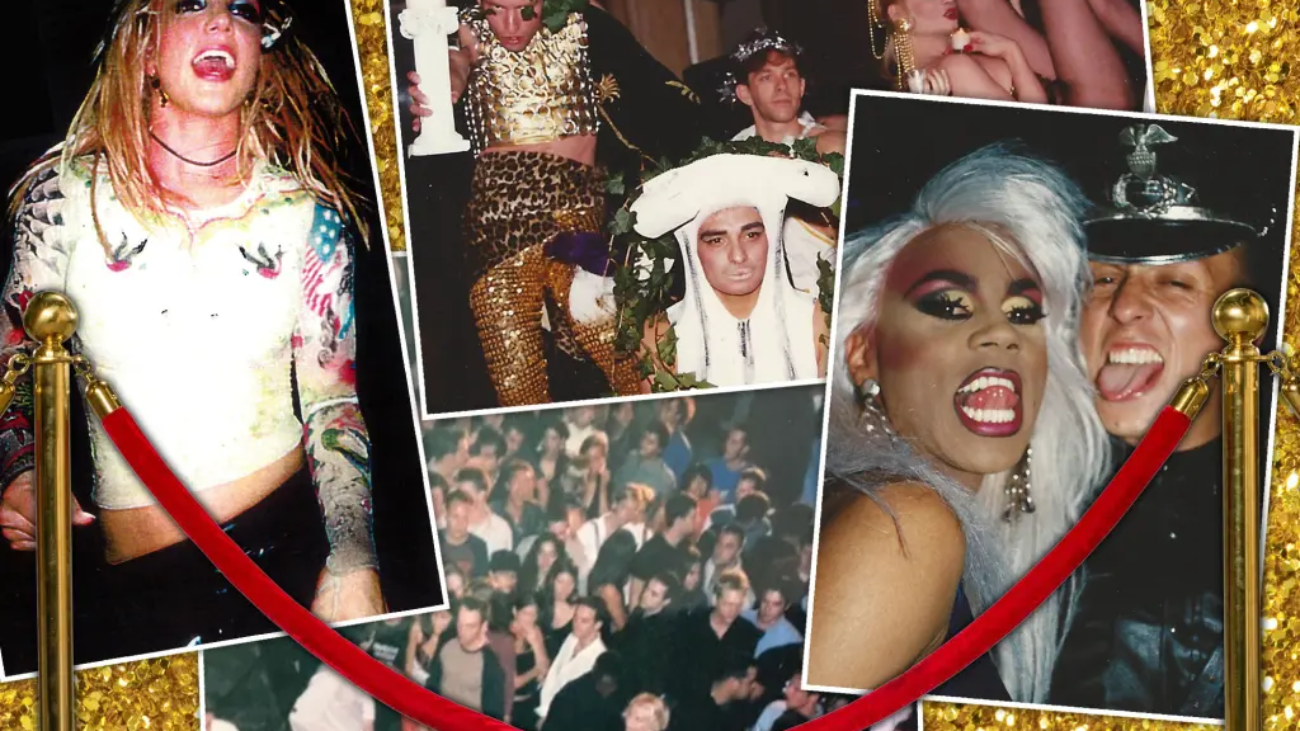
December 14, 1978: The Night Studio 54 Cracked

December 14, 1978 remains one of the most infamous dates in nightlife history. On that night, federal IRS agents descended on Studio 54, the most famous nightclub in the world, and exposed what many suspected but few could prove. Owner Steve Rubell had reportedly joked to the press that only the Mafia made more money than his club. The IRS did not laugh.

What agents uncovered became legendary: hidden cash stuffed into ceiling spaces, garbage bags filled with unreported earnings, and detailed ledgers documenting skimming operations. The raid marked the beginning of the end for Studio 54’s original era of celebrity excess and velvet-rope mythology. Within two years, Rubell and business partner Ian Schrager were serving prison sentences for tax evasion, and the club was sold, closing the book on one of the most decadent chapters in dance music history.

Studio 54 didn’t just define disco — it defined the idea of nightlife as spectacle. But its collapse also proved that no club, no matter how famous, is immune to reality catching up.

From Glitter to Grit: The Limelight and the Club Kids Era

If Studio 54 symbolized disco’s polished fantasy, the Limelight represented the raw, confrontational energy of the 1990s New York underground. Operated by nightlife impresario Peter Gatien, the Limelight was housed inside a former Episcopal church on Sixth Avenue — a setting that perfectly mirrored its rebellious spirit.

Unlike the strict door politics of Studio 54, Gatien’s venues were known for what many called a democracy on the dance floor. Expression mattered more than status. That philosophy gave rise to the Club Kids, a movement defined by outrageous creativity and fearless self-presentation. Led by Michael Alig, the Club Kids transformed nightlife into performance art, arriving in handmade costumes that defied gravity, logic, and social norms.

The scene eventually spiraled into darkness, culminating in the 1996 murder of Andre “Angel” Melendez, a tragedy that shocked the club world and later inspired the film Party Monster. Still, the Limelight era left a lasting mark, proving that clubs could be cultural incubators, not just places to dance.

Paradise Garage: Where the Music Was the Star

While Studio 54 catered to celebrities and the Limelight to spectacle, Paradise Garage belonged to the dancers. Located at 84 King Street, the membership-only club became sacred ground for those who came not to be seen, but to feel the music.

Under the guidance of DJ Larry Levan, Paradise Garage redefined what a DJ could be. Levan obsessed over sound quality, often stopping the music mid-set to adjust a speaker or fine-tune the system. His legendary extended mixes, including marathon plays of Taana Gardner’s “Heartbeat,” pushed dancers into deep, hypnotic states. It was here that the foundations of Garage music were laid, influencing the birth of house and shaping dance floors around the world.

Paradise Garage proved that a club didn’t need glamour to be revolutionary. It needed trust between DJ and crowd, and a sound system capable of delivering emotion at full volume.

Then and Now: Where the Spirit Lives On

While many of these legendary rooms have closed, their influence remains alive in modern spaces that prioritize sound, atmosphere, and community. Venues like the former Original Sound Factory space on West 27th Street continue to host events inspired by classic warehouse energy, while rooms like Good Room in Brooklyn have become essential stops for underground dance music lovers seeking quality sound and immersive lighting.

Across the country tonight, that legacy continues in active club scenes. Philadelphia hosts multi-room house music gatherings, Houston turns back the clock with classic disco nights, and themed dance parties keep psych-influenced and electronic sounds moving well into the early hours.

Tonight on JamFest: The Party Never Stops

As the history echoes, JamFest carries the torch forward. Tonight, Club Night kicks off late, bringing high-energy DJ sets, in-studio mixes, remixes, and electronic sounds pulled straight from the world’s greatest music festivals. When the clock hits 2 a.m. EST, the momentum doesn’t fade — it shifts into Sunday Spunday.

From 2 a.m. through the early morning hours until around 9 a.m. EST, Sunday Spunday takes over, keeping the dance floor alive with nonstop EDM, festival-driven energy, and extended DJ sessions designed for the true after-hours crowd. It’s a celebration of the culture that never sleeps, where Saturday night flows seamlessly into Sunday morning.

Why This Week Still Matters

This week in club music history reminds us that nightlife has always been about more than entertainment. It has been a space for innovation, rebellion, community, and transformation. From the excess of Studio 54 to the underground soul of Paradise Garage, from the art-driven chaos of the Limelight to today’s all-night festival-inspired sets, the heartbeat of the club scene continues to evolve.

JamFest honors that history while keeping the speakers warm and the lights low. Tonight, the music doesn’t stop — it simply changes rooms, changes moods, and keeps moving forward, just as it always has.

keys-nightclub-los-angeles-scaled

Sunday Spunday & Club Night Radio Show — Nonstop Weekend Party Energy on JamFest

When the weekend hits, JamFest turns up the volume like no one else. From the biggest EDM festival hits to the freshest in-studio remixes, our programming is built for music lovers who live for the night—and the morning after.

Every Saturday, our Club Night Radio Show takes over with in-studio DJ sets that span all types of EDM: from hard-hitting festival anthems and trance classics to deep house, techno, and mind-blowing remixes from the best music festivals on the planet. It’s a nonstop musical journey, curated for dancers, dreamers, and festival fanatics alike.

And the energy doesn’t stop there. When the clock hits 2AM EST, the party continues with Sunday Spunday—our legendary all-night celebration that runs until around 9AM EST. No matter your age, this is your chance to keep the weekend alive, riding the wave of beats, drops, and euphoric rhythms as the sun rises.


Club Night Radio Show — The Ultimate EDM Experience

Every Saturday night, JamFest’s studio transforms into a full-scale festival stage. Our DJs spin live, delivering:

  • Exclusive remixes from global EDM icons
  • High-energy festival tracks from events like Tomorrowland, Ultra, and EDC
  • Deep cuts and underground hits for the true music connoisseur
  • Genre-spanning sets covering house, trance, techno, dubstep, and more

Whether you’re in your living room, on the dance floor, or on a late-night road trip, Club Night immerses you in the energy of the world’s top festivals—all without leaving home.


Sunday Spunday — Keep the Party Going

The party doesn’t end when Saturday night does. Sunday Spunday is JamFest’s ultimate after-hours experience:

  • Start Time: 2AM EST
  • End Time: 9AM EST
  • Age Group: All

It’s the perfect soundtrack for night owls, festival veterans, or anyone who refuses to let the weekend fade. Expect:

  • Smooth transitions from late-night dance to sunrise vibes
  • Sets that blend high-energy EDM with chilled, atmospheric tracks
  • Live DJ interactions, special remixes, and surprises from the weekend’s hottest festivals

By the time Sunday morning rolls around, you’ll feel like you’ve traveled the world of electronic music without leaving your space.


Why JamFest’s Weekend Programming Stands Out

At JamFest, we don’t just play music—we create experiences. Club Night and Sunday Spunday capture the essence of live EDM, combining:

  • Expertly curated playlists with global festival hits
  • In-studio energy that mirrors the thrill of a live set
  • Nonstop all-night vibes that keep listeners moving and engaged

It’s more than a radio show—it’s a weekend ritual for music lovers, bringing together fans of all ages for hours of unforgettable beats.


Join the Movement

This weekend, don’t just listen—experience the energy. Tune in for Club Night Radio Show on Saturday and ride it straight through Sunday Spunday. Whether you’re a seasoned festival-goer or just discovering EDM, JamFest delivers nonstop music, remixes, and pure weekend joy.

Your weekend. Your music. Your JamFest.

berghain-cerrara-sus-puertas-a-finales-de-2022-destacada

JamFest November 2025: Club Night, Sunday Spunday, and the Pulse of Global Dance Culture

As the calendar turns to November 2025, JamFest continues to celebrate the vibrancy and evolution of dance music with electrifying live events, DJ sets, and cultural insight into the global club scene. Tonight’s Club Night promises a high-energy evening from 10:00 PM to 2:00 AM, featuring live DJ’ing, studio remixes, and a dynamic mix of all styles of club and dance music. The energy doesn’t stop when the clock strikes two, as Sunday Spunday picks up immediately at 2:00 AM EST, carrying the party into the early Sunday morning until around 9:00 AM EST. Fans can expect continuous sets, curated vibes, and the infectious rhythm that keeps JamFest at the forefront of New Jersey’s dance music community.

Global Dance Club News and Trends

The worldwide dance club scene in November 2025 is a fascinating mix of resilience, innovation, and cultural evolution. Iconic venues like Berghain in Berlin, Fabric in London, and Pacha in Ibiza remain central hubs, frequently highlighted in news for their legendary line-ups, operational updates, and cultural impact. As urban nightlife evolves, many cities, including New York City, are experimenting with 24-hour party policies to reinvigorate their nightlife districts.

Yet the industry still faces significant challenges. Rising operational costs, gentrification pressures, and staffing shortages are causing closures of smaller, independent venues. Simultaneously, the conversation around safety and inclusion in clubs has intensified, with initiatives addressing harassment, drug use, and the creation of welcoming spaces for all patrons. Digital innovations also continue to transform the scene, with streaming DJ sets, hybrid events, and virtual clubbing now fully integrated into the physical experience.

The Rich History of Dance Clubs

The history of dance clubs is deeply intertwined with social change, music innovation, and cultural milestones. The early days of cabarets and speakeasies in the 1920s–1940s provided spaces for jazz and swing, while post-WWII France introduced the discothèque as a hub for social and musical freedom.

The disco era of the 1970s transformed clubs into cultural icons, with venues like Studio 54 in New York City providing sanctuary for LGBTQ+, Black, and Latino communities. The 1980s and 1990s brought house and techno from Chicago and Detroit, followed by the rise of rave culture across the UK and Europe. Legendary venues such as The Haçienda in Manchester and Paradise Garage in New York became focal points for underground electronic music, shaping the global soundscape of dance culture.

Today, clubs range from intimate underground spaces to massive “superclubs” in Ibiza and Las Vegas, delivering immersive experiences with cutting-edge lighting, sound systems, and visual effects. Despite global challenges, the dance music culture continues to thrive, fueled by both physical venues and digital platforms like Boiler Room, which connect artists to fans worldwide.

Iconic Clubs in Focus

  • Berghain | Panorama Bar (Berlin): Known for its industrial architecture, strict door policies, and world-class techno sets.
  • Space (Ibiza): Revolutionized international clubbing with 22-hour open-air “Terrace” parties.
  • Paradise Garage (New York): Pioneered modern dance music, fostering inclusivity and community.
  • Ministry of Sound (London): Continues to serve as a global epicenter for house music and electronic innovation.

JamFest Live Tonight and Into Sunday

Tonight, Club Night at JamFest invites music lovers to experience DJ’ing in real time, from in-studio remixes to full dance sets, capturing the energy of global club trends and local talent. Following this, Sunday Spunday keeps the momentum going, offering continuous live music and curated sets well into the morning. These events are not just a reflection of the music—they are a celebration of the community, culture, and history that make dance clubs essential social spaces.

Whether you’re a longtime club-goer or new to the scene, JamFest offers an unparalleled glimpse into the pulse of New Jersey’s dance music culture while connecting to the global movement. From iconic venues to local stages, tonight and tomorrow mornings are a testament to the resilience, creativity, and sheer joy of dance music in 2025.

Stay tuned and join the party tonight with JamFest’s Club Night and Sunday Spunday shows—your front-row seat to the heartbeat of global and local club culture.

LIV-at-Fontainebleau_54_990x660

The Evolution of Nightlife on JamFest: How Modern Dance Clubs, Club Night, and the Sunday Spunday Radio Show Keep the Party Going All Night Long

The club scene has transformed dramatically over the past few decades. Gone are the days when disco ruled the night and the dance floor was the heartbeat of social life. Today, the modern nightlife experience is shaped by changing social habits, economic pressures, and the rise of digital entertainment. Yet despite these shifts, the world’s top dance clubs continue to thrive—focusing on high-tech production, immersive experiences, and curated vibes that keep partygoers coming back night after night.

At JamFest, we celebrate this evolution of club culture, bringing you the hottest EDM tracks, festival remixes, and non-stop radio energy every Saturday night. From 2AM EST into Sunday morning around 9AM EST, the party continues all night long—straight from our studio to your speakers. Whether it’s tonight’s Club Night or the Sunday Spunday Radio Show, we’re spinning the world’s best DJs, the latest remixes, and all flavors of EDM for an experience that rivals the biggest clubs and festivals on the planet.


The Modern Nightlife Experience vs. the Disco Era

The 1970s disco scene was all about collective energy: flashy outfits, mirrored balls, and a sense of community on the dance floor. Today, the focus has shifted from shared energy to immersive spectacle. Modern clubs emphasize high-tech production, festival-style performances, and unforgettable audiovisual experiences.

Technological Spectacle: Modern superclubs rival concert arenas in their scale and production. Massive LED walls, kinetic sculptures, and state-of-the-art sound systems transform each night into a fully immersive show. Every beat hits harder, every drop lands bigger, and every visual is meticulously crafted to enhance the music.

Festival Culture: Many clubs now emulate the energy of global EDM festivals. Top-tier DJs perform like rock stars, spinning epic sets that are as much about the experience as the music. Whether it’s trance, house, techno, or bass, these venues deliver the kind of energy that keeps festivalgoers—and club lovers—coming back for more.

Challenges in Attendance: Economic pressures, declining alcohol sales, and the convenience of at-home entertainment have contributed to dips in traditional club attendance. People still want to go out, but the bar for “worth it” experiences is higher than ever.

Shift in Social Focus: Some venues are now as much about social media as they are about dancing. Bottle service and Instagram moments have become prominent features of nightlife—but the real winners are the clubs that prioritize music, sound quality, and unforgettable experiences over pure spectacle.


Notable Modern Dance Clubs Around the World

Even with these changes, certain venues have carved out global reputations that rival legendary clubs of the past. DJ Magazine’s Top 100 Clubs 2025 highlights some of the most iconic international dance destinations:

  • Hï Ibiza (Spain): A staple at the top of the list, Hï Ibiza offers a luxurious, high-energy club experience with production value that’s second to none.
  • Green Valley (Brazil): This open-air Brazilian venue remains a global favorite for its epic parties and lush tropical setting.
  • Ushuaïa Ibiza (Spain): Known for its daytime parties under the sun, Ushuaïa delivers a festival-like experience that keeps Ibiza on the world’s EDM map.
  • Bootshaus (Germany): A German institution, Bootshaus is celebrated for its cutting-edge sound and diverse lineup.
  • UNVRS (Ibiza, Spain): Opened in 2025, this ambitious new superclub aims to recapture the grandeur of legendary nightlife, redefining what it means to go out in Ibiza.

Top Clubs in the United States

The U.S. boasts its own nightlife legends, blending cutting-edge production with iconic local culture:

  • Club Space (Miami, FL): Famed for marathon parties and rooftop terraces, Club Space is synonymous with Miami nightlife.
  • Omnia (Las Vegas, NV): Located in Caesars Palace, Omnia combines multi-level clubbing with a kinetic chandelier that dazzles from above.
  • The Sound Factory (New York, NY): A crown jewel of Manhattan nightlife, this venue is revered for its impeccable sound system and immersive atmosphere.
  • Good Room (Brooklyn, NY): A modern nod to classic clubs like Paradise Garage, Good Room focuses on house, disco, and superior audio quality.
  • Avant Gardner & The Brooklyn Mirage (Brooklyn, NY): This sprawling complex hosts large-scale EDM events and consistently ranks among the world’s best venues.

Keeping the Party Alive with JamFest

At JamFest, we bring the world’s club culture straight to your home. Every Saturday night, we broadcast the Club Night and Sunday Spunday Radio Show, delivering remixes, festival sets, and all types of EDM music. Whether you’re tuning in at 2AM EST or dancing until 9AM EST, the party doesn’t stop. Our DJs are live in the studio, spinning everything from classic house bangers to the latest festival hits, making you feel like you’re on the dance floor at the world’s most legendary clubs.

From high-tech production to festival-style energy, the evolution of nightlife proves that the thrill of clubbing is alive and thriving. And with JamFest, the world’s top DJs, remixes, and nonstop EDM action are just a click away.

1.90.5-2KKQJGQTIN6QQJCTCCUH5J275U.0.1-7

JamFest on TuneIn: Your Ultimate Destination for Diverse and Unforgettable Music Programming

JamFest is your go-to source for the best in live music, exclusive DJ sets, vibrant genres, and a tribute to the festival culture that brings music lovers together worldwide. Whether you’re tuning in for heart-pumping EDM, soul-stirring reggae, funky gospel, or the latest new releases, JamFest has something for every music enthusiast. Broadcast exclusively on TuneIn, JamFest brings the festival experience right to your home, no matter where you are, with weekly shows like What is Hip?!, Project Reggaeologist, and more.

Each night, JamFest takes you on a musical journey, showcasing live sets from the world’s top festivals, fresh releases, and unique genre-specific experiences. From energetic DJ sets to deep dives into New Orleans’ rich musical culture, we curate a diverse range of programming that will make your day—and night—special.

JamFest Lineup Tonight & Sunday: A Musical Adventure Every Night

Club Night: Saturday Night Fever

If you’re a fan of electronic music, Saturday nights are for you. Club Night on JamFest is your exclusive weekly destination for everything EDM, from pulse-pounding DJ mixes and in-studio remixes to live sets from the world’s biggest music festivals. Broadcast from 10 PM to 2 AM EST every Saturday, this show celebrates the heart and soul of club culture, featuring everything from house to techno to trance.

Get ready for a night of non-stop beats and high-energy vibes as JamFest showcases some of the most iconic club and dance music from legendary events like Tomorrowland, Electric Daisy Carnival, and Ultra Music Festival. If you’re looking to dance into the night, Club Night is where the party’s at.

Sunday Spunday: The Ultimate Dance Party

The party doesn’t stop at Club Night—it rolls right into Sunday Spunday. Beginning at 2 AM EST and continuing all the way into Sunday morning until about 9 AM EST, Spunday offers an extended dance journey that’s perfect for those who want to keep the energy high all night long. Whether you’re recovering from a wild Saturday or getting ready for a lazy Sunday afternoon, this show ensures your weekend ends on a high note with back-to-back club anthems and festival hits.

NPR News Now: Stay Informed in Just Five Minutes

For those who like to stay informed but have limited time, JamFest brings you NPR News Now every hour. With a quick, concise five-minute update, this show delivers all the essential news from politics to entertainment, business to sports. It’s the perfect quick hit for busy listeners, providing a comprehensive snapshot of what’s happening in the world without the need for long-form news programs. Whether you’re driving, working, or just need to catch up on the latest, NPR News Now offers a convenient way to stay in the loop.

The Gospel Lunch: A Celebration of NOLA Style

Nothing captures the soul of New Orleans like its music—and The Gospel Lunch on JamFest serves it up in style every Sunday from 12:30 PM to 2:00 PM. This show is a lively, upbeat celebration of New Orleans’ unique blend of gospel, jazz, blues, funk, and soul. Hosted by seasoned DJs steeped in the musical traditions of the Big Easy, The Gospel Lunch offers an eclectic mix of uplifting gospel choirs, brass band energy, and heartwarming solos. It’s the perfect way to spend your Sunday afternoon, whether you’re a long-time fan of NOLA’s musical heritage or just discovering its infectious rhythms.

Expect insightful commentary, artist spotlights, and historical tidbits that help you appreciate the music even more. From gospel-infused ballads to the unmistakable sound of a New Orleans brass section, The Gospel Lunch transports you to the vibrant streets of the city where music is an integral part of everyday life.

Project Reggaeologist: Your Reggae Fix

If you’re a reggae lover, look no further than Project Reggaeologist on JamFest. This non-stop radio show features the best in reggae, dancehall, roots, ska, and world music, along with live performances from iconic reggae festivals around the world. Every week, Project Reggaeologist serves up fresh tracks from established reggae legends as well as up-and-coming artists from the global reggae scene.

From the soulful sounds of Bob Marley to the fresh, new vibes of rising stars, this show showcases the full spectrum of reggae music. Tune in for the latest albums, exclusive studio versions, and live festival performances that make reggae music a powerful force for peace, love, and unity. It’s an essential listen for anyone who wants to stay connected to reggae culture.

Special Shows and Collaborations: A Global Music Experience

JamFest isn’t just about curated playlists—it’s about experiencing the world’s top festivals from your living room. The Live Nuggets show, airing on Tuesday nights, takes listeners on a historical journey through legendary live performances, while Festival Night on Thursdays showcases live music from festivals all over the globe. From the massive crowds at Tomorrowland to the underground vibes of smaller gatherings, JamFest covers the full range of live music experiences.

Whether it’s Dead Set Live, MetalMania Live, or Tomorrowland Live, you can feel like you’re right there in the crowd. Each show brings the raw energy of live music straight to your ears.

JamFest: A Memory of a Lifetime

At its core, JamFest is all about celebrating the unforgettable moments that music can create. Our shows are designed to transport you to the heart of global music festivals, whether it’s the electrifying beats of a DJ set, the spiritual uplift of NOLA gospel, or the soulful rhythms of reggae. We promise to make your day special and create memories that will last a lifetime.

Tune in on TuneIn to JamFest for:

  • Club Night: EDM and remixes live from the world’s best festivals, 10 PM to 2 AM EST, every Saturday.
  • Sunday Spunday: The dance party that never ends, continuing into Sunday morning from 2 AM EST.
  • NPR News Now: Quick, concise, and essential updates on global events, every hour.
  • Gospel Lunch: A celebration of NOLA style gospel, jazz, funk, and soul, Sundays from 12:30 PM to 2:00 PM.
  • Project Reggaeologist: The best in reggae, dancehall, roots, and ska, every week.

JamFest brings the festival experience to your ears, 24/7. Whether you’re at home, in the car, or anywhere in between, JamFest is your soundtrack to a life filled with unforgettable music.