
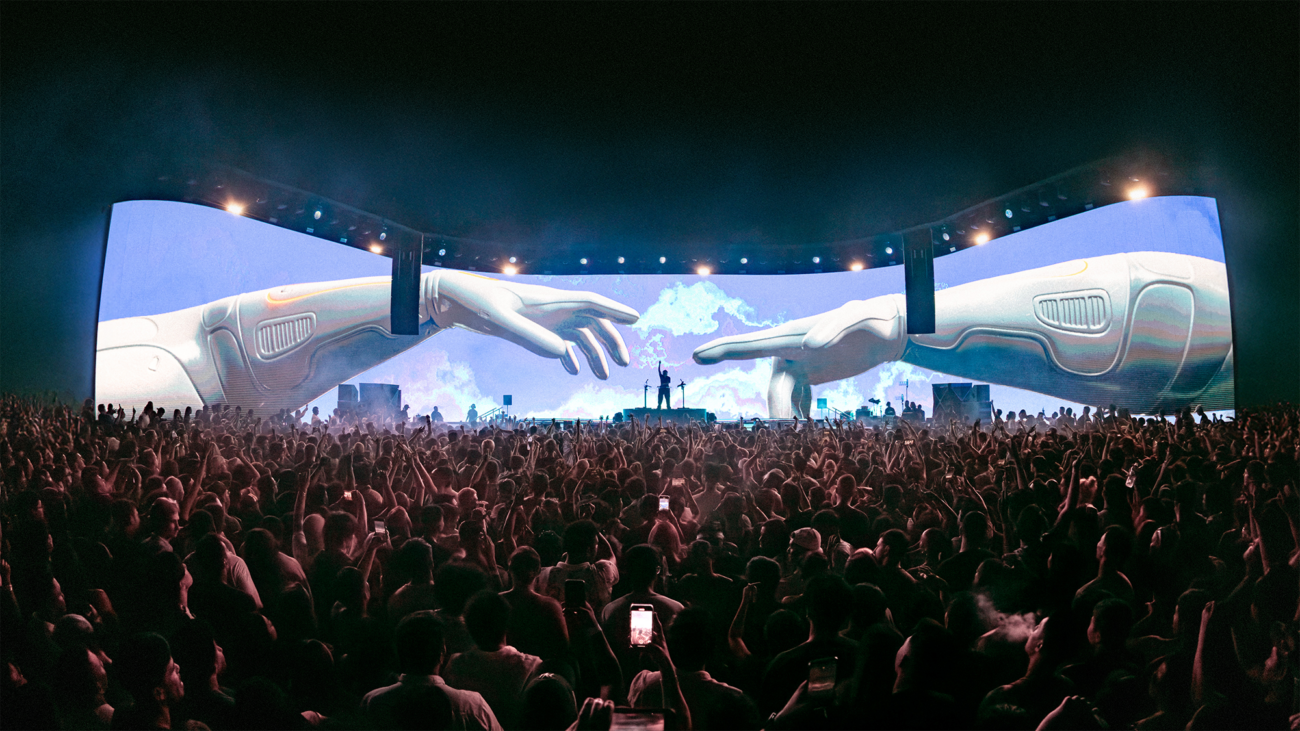
The global nightlife industry is not simply evolving—it is undergoing a structural reset. Across three major markets—New York City, London, and Atlantic City—a new class of venue is emerging, engineered with precision to meet the demands of a changing audience, a shifting economic landscape, and a rapidly advancing technological frontier. What’s unfolding is not a trend cycle. It is a recalibration of how live electronic music is experienced, produced, and sustained. And from the vantage point of JamFest, this is exactly the moment where culture, technology, and live performance collide at full force.
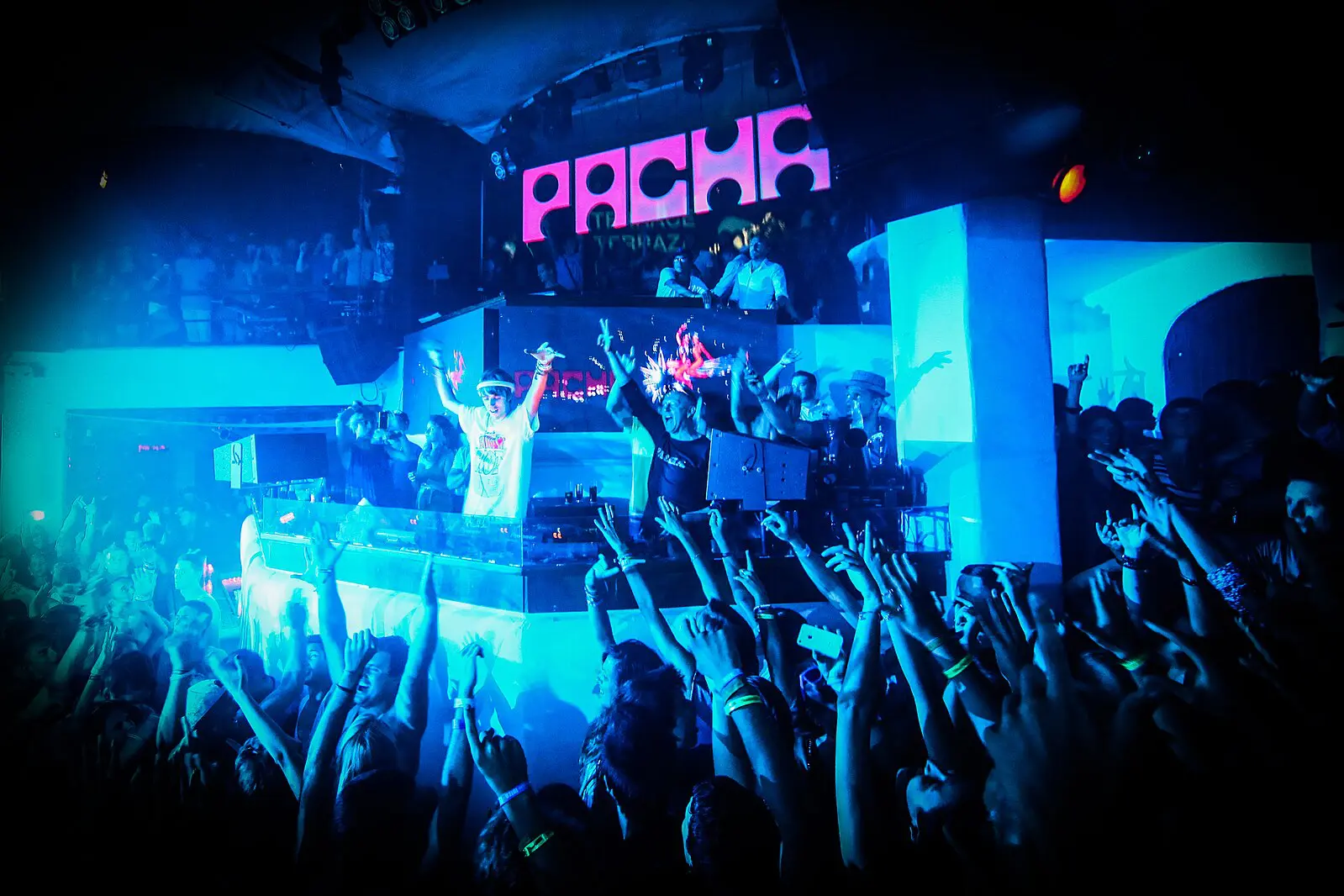
At the center of this transformation is the complete reinvention of one of New York’s most recognizable electronic music sites. The former Brooklyn Mirage has been entirely demolished and is now being rebuilt as Pacha New York, marking a high-stakes return of a globally recognized nightlife brand to the city for the first time in a decade. Backed by a major acquisition from FIVE Holdings, the new ownership group has committed to a total reimagining of the venue—one that prioritizes operational intelligence, acoustic engineering, and audience experience at a level rarely seen in the United States nightlife sector.
This is not a cosmetic rebrand. It is a ground-up reconstruction designed to solve the very problems that have challenged large-scale nightlife venues in recent years. AI-powered capacity monitoring is being integrated to manage crowd flow in real time, a direct response to both safety concerns and regulatory scrutiny. Entry systems are being upgraded with high-tech security infrastructure to streamline access without compromising control. And perhaps most notably, the installation of a fully directional, multi-million-dollar sound system represents a fundamental shift in how urban venues approach audio design—balancing immersive sonic delivery inside the space while dramatically reducing noise spill into surrounding neighborhoods.
Set to open on June 20, 2026, Pacha New York is not just reopening a venue—it is setting a new operational blueprint for large-scale nightlife in a dense urban environment like New York City. The seasonal nature of the outdoor experience remains intact, but the adjacent indoor Great Hall is being elevated into a year-round, multi-genre arena, effectively turning the property into a hybrid entertainment complex capable of hosting everything from global EDM acts to cross-genre live productions.
Across the Atlantic, a parallel transformation has already taken shape at one of the most iconic clubs in the world. Ministry of Sound has completed its most ambitious overhaul since opening its doors in 1991, marking its 35th anniversary with a complete reengineering of its flagship room, “The Box.” For decades, the venue has been synonymous with elite sound quality, and rather than preserve legacy for nostalgia’s sake, the decision was made to redefine it entirely.
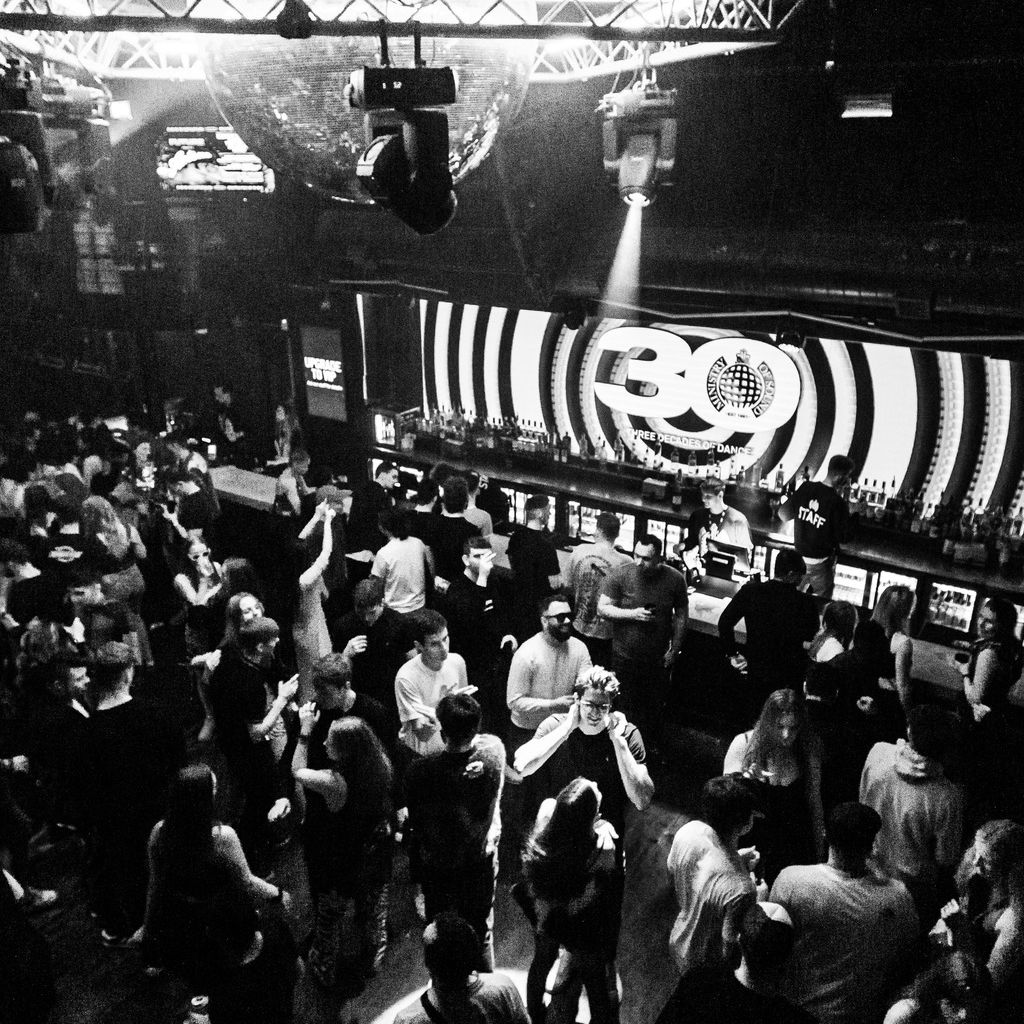
The installation of a custom four-point KV2 sound system signals a departure from legacy audio setups in favor of precision-tuned, immersive acoustics designed for modern electronic production. This is not about louder sound—it is about cleaner, more dimensional audio that allows DJs and producers to fully articulate their work in a live environment. The redesign of the DJ booth, lowered into the crowd and made modular, eliminates the traditional barrier between performer and audience, creating a 360-degree performance ecosystem that aligns with the experiential expectations of today’s crowd.
Visual production has been elevated in equal measure. A new overhead lighting installation, combined with industrial-inspired video architecture, transforms the room into a fully synchronized sensory environment where light, sound, and movement operate as a single system. But perhaps the most telling shift is not technical—it is conceptual. By introducing initiatives like Ministry of Sound Games, a hybrid fitness and live music concept, the venue is acknowledging a broader cultural shift toward wellness, daytime programming, and diversified engagement. Nightlife is no longer confined to nighttime.
Meanwhile, in Atlantic City, a different but equally significant evolution is underway at Borgata Hotel Casino & Spa. The closure of its long-running Premier Nightclub has cleared the path for an entirely new 18,000-square-foot entertainment concept developed in partnership with Big Night, a hospitality group known for delivering high-impact live experiences in major metropolitan markets.
This project represents a strategic pivot. Rather than focusing solely on DJ-driven nightlife, the new concept introduces a multi-format approach, including a dedicated live band room known as Level One. This addition is more than a programming decision—it is a recognition that audiences are increasingly seeking variety, authenticity, and musicianship alongside electronic performance. By blending live instrumentation with high-end production, the Borgata is positioning itself to capture a broader audience while maintaining its status as a premier nightlife destination.
Taken together, these three developments reveal a clear pattern. The future of nightlife is being built on three foundational pillars: advanced technology, experiential depth, and programming diversity. Venues are no longer competing solely on talent bookings—they are competing on infrastructure, innovation, and the ability to deliver an environment that cannot be replicated digitally.
For JamFest, this shift is not theoretical—it is already embedded in the platform’s DNA.
Through its programming, JamFest has consistently championed the live experience as the defining element of music culture. The Club Night Radio Show stands as a direct extension of that mission, delivering high-energy DJ sets, in-studio mixes, and festival-driven EDM programming every Saturday night, seamlessly carrying listeners from peak nightlife hours into Sunday morning with its extended “Spunday” broadcast. Running from late night into the early hours—from 2AM EST through sunrise—the show captures the same continuous, immersive energy that these next-generation venues are being designed to deliver.
Club Night Radio Show and Sunday Spunday Define the Nonstop Pulse of Global EDM on JamFest
There is a clear dividing line between platforms that simply play electronic music and those that actually understand how nightlife energy is built, sustained, and delivered. JamFest operates firmly on the latter side of that line, and nowhere is that more evident than in the architecture of its weekend programming. The Club Night Radio Show is not designed as a segment—it is engineered as an environment, a fully immersive audio experience that captures the pacing, tension, and release of a world-class club night and translates it into a continuous broadcast format that never breaks the flow.
Every Saturday night, Club Night begins with intent. The sequencing is not arbitrary; it mirrors the real-world progression of a live DJ set, where early momentum is carefully constructed, rhythms are layered with precision, and the energy curve is shaped in real time. This is the difference between playing tracks and building a night. The show leans into expertly crafted mixes, in-studio DJ sessions, exclusive remixes, and festival-driven sound design that reflects what is happening across the global electronic circuit—from underground house and techno to peak-time festival anthems and late-night after-hours grooves. The result is a sonic environment that feels alive, responsive, and deeply connected to the culture it represents.
What separates Club Night from conventional radio programming is its commitment to authenticity in format. DJs are given space to create—not just to mix songs, but to construct narratives. Transitions matter. Dynamics matter. The rise and fall of intensity matters. Listeners are not dropped into isolated tracks; they are carried through a cohesive, evolving experience that mirrors what you would expect to hear inside a high-level club or festival setting. That fidelity to the live experience is what allows Club Night to resonate far beyond a standard broadcast.
And then, without interruption, the night expands.
As the clock pushes deeper into the early hours, Club Night transitions seamlessly into Sunday Spunday, extending the experience into a full-spectrum overnight session that carries from 2AM EST through the sunrise hours and into Sunday morning. This is not a separate program—it is a continuation, a deliberate extension of the same energy, designed for those who understand that the most meaningful moments in electronic music often happen long after the peak hours have passed.
Sunday Spunday is where the atmosphere shifts from high-intensity peak to immersive depth. The programming opens up, allowing for deeper cuts, longer blends, and more experimental selections that reflect the after-hours ethos of global dance culture. It is where tempo and mood evolve naturally, where transitions stretch, and where the music is allowed to breathe without losing its forward motion. This is the space where listeners who stay with the experience are rewarded—not with repetition, but with progression.
The continuity between Club Night and Sunday Spunday is not accidental. It is structural. Together, they form a unified broadcast cycle that mirrors the real-world lifecycle of electronic music events—from the build, to the peak, to the after-hours journey that defines the true depth of the culture. It is a format that respects the listener’s time, their attention, and their understanding of how electronic music is meant to be experienced.
This approach places JamFest in a distinct position within the digital audio landscape. While many platforms fragment their programming into isolated blocks, JamFest leans into duration, immersion, and cohesion. It treats the weekend not as a collection of shows, but as a continuous narrative—one that unfolds in real time and rewards those who engage with it from start to finish.
Because at its core, this transformation is not about replacing what came before. It is about refining it. It is about taking the raw energy that has always defined live music—from jazz in Congo Square to underground club nights in London—and enhancing it with the tools, technology, and design thinking of a new era.
As 2026 unfolds, the message is clear. Nightlife is no longer just about the night. It is about the full-spectrum experience—before, during, and long after the lights come up. It is about spaces that think, systems that adapt, and programming that evolves in real time. And as these flagship venues prepare to open their doors or unveil their next phase, they are not just welcoming audiences back—they are inviting them into a completely redefined version of what live music can be.
JamFest isn’t watching this shift from the sidelines. It’s already broadcasting it.