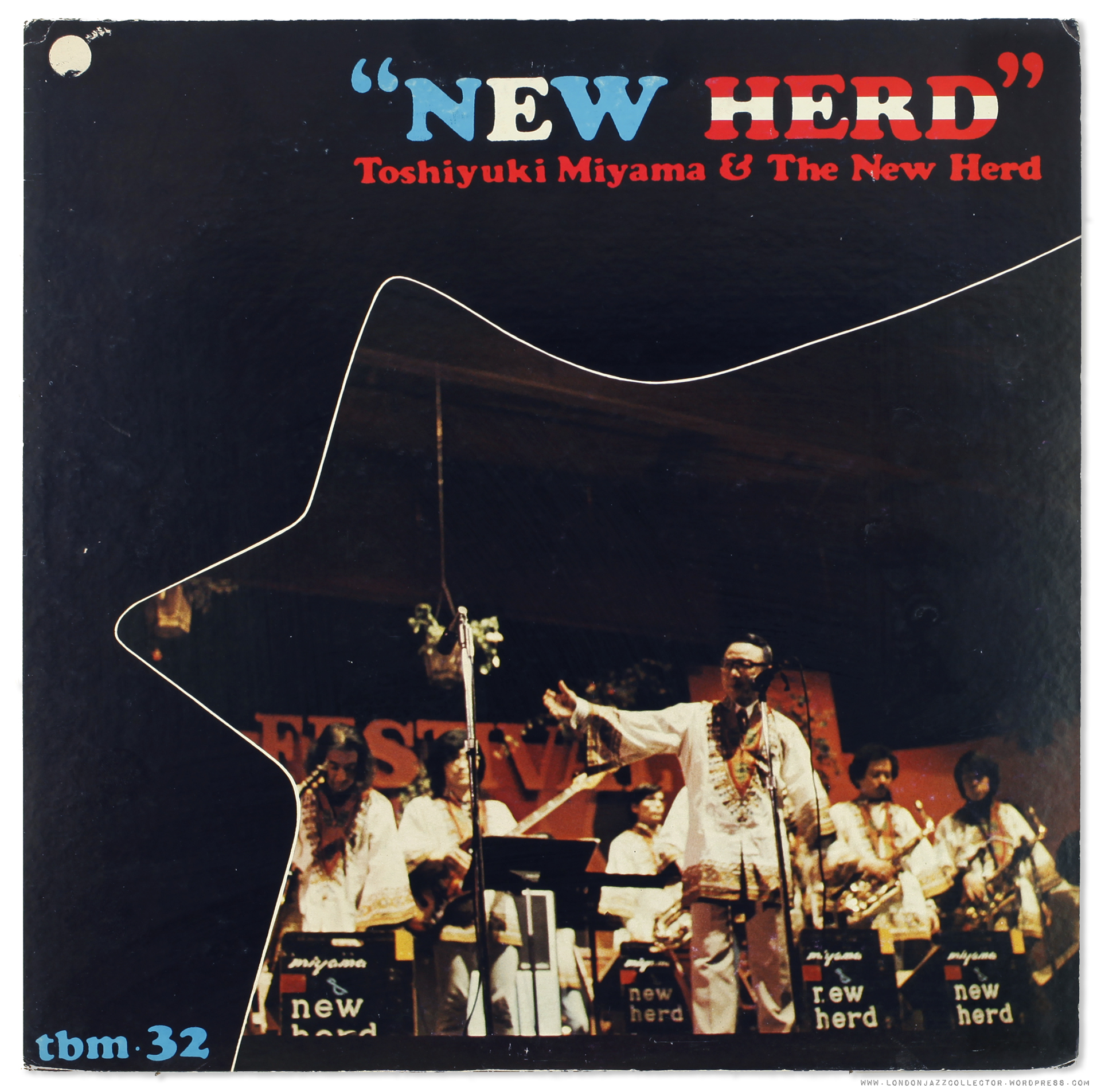
Toshiyuki Miyama & The New Herd at Newport ’75 Comes Alive on “All Things Considered Live”

 DJ Don Edwards
JamFest Spotlight: The Legendary Energy of Toshiyuki Miyama & The New Herd at Newport ’75 Comes Alive on “All Things Considered Live”
The story of live music is often told through unforgettable performances—those rare moments when musicians, audiences, and venues collide to create something timeless. Few recordings capture that magic as vividly as the electrifying performance by Toshiyuki Miyama and His New Herd at the 1975 Newport Jazz Festival. Now, decades later, the spirit of that historic night finds new life through the All Things Considered Live Radio Show, a program that continues to celebrate legendary concerts and introduce audiences to the enduring power of live performance.
For music lovers, jazz enthusiasts, and festival fans alike, this feature presentation represents more than a historical recording. It is a sonic time capsule—an opportunity to revisit one of the most dynamic big band performances of the era and experience the cultural energy that defined jazz festivals during the 1970s.
Through JamFest’s continued celebration of festival culture, historic recordings, and groundbreaking artists, performances like this remind listeners why live music remains one of the most powerful forms of artistic expression.
A Landmark Moment at the 22nd Newport Jazz Festival
The 22nd Newport Jazz Festival in 1975 was unlike any other in the festival’s storied history. Instead of being limited to its traditional Rhode Island home, the festival expanded into New York City, transforming multiple venues across Manhattan into stages for some of the most influential jazz artists of the time.
For ten extraordinary days—from June 27 through July 6, 1975—the city became a global hub for jazz innovation and cultural exchange. Legendary performers from around the world converged on iconic venues, creating a festival atmosphere that pushed the boundaries of what a jazz event could be.
Among those unforgettable nights, June 30, 1975, stands out as a defining moment. That evening, audiences gathered inside the historic Roseland Ballroom on Broadway for a performance that would leave a lasting impression on everyone in attendance.
Taking the stage was Toshiyuki Miyama and His New Herd, one of Japan’s most celebrated jazz big bands.
Their performance delivered a stunning fusion of traditional jazz arrangements, modern improvisation, and powerful orchestration that electrified the room and drew widespread acclaim.
The audience response was immediate and enthusiastic. Critics and fans alike praised the performance for its energy, precision, and originality—qualities that defined The New Herd’s unique approach to big band jazz.
Toshiyuki Miyama and the Rise of The New Herd
By the mid-1970s, Toshiyuki Miyama had already established himself as a visionary figure in the international jazz scene. As a trombonist, bandleader, and arranger, Miyama was known for pushing creative boundaries while maintaining deep respect for the traditions of big band jazz.
His ensemble, The New Herd, had become one of the most influential jazz orchestras to emerge from Japan. The group’s name reflected Miyama’s belief in constantly evolving musical identity—each generation of musicians bringing new ideas and influences into the band’s sound.
Unlike many traditional big bands that focused strictly on classic American jazz standards, The New Herd embraced a broader musical perspective. Their repertoire combined traditional jazz language with modern composition, global musical influences, and daring improvisational structures.
The result was a bold, dynamic sound that resonated with audiences far beyond Japan.
By the time they arrived in New York for the Newport Jazz Festival, The New Herd had already built a reputation as one of the most exciting international jazz ensembles on the circuit.
Their performance at Roseland Ballroom proved that reputation was well deserved.
The Electric Atmosphere of Roseland Ballroom
Roseland Ballroom was one of New York City’s most celebrated performance venues during the twentieth century. Located on Broadway, the historic ballroom hosted countless legendary performances across genres—from jazz orchestras and swing bands to rock concerts and dance events.
On the night of June 30, 1975, Roseland transformed into a vibrant hub of musical exploration.
Festival attendees packed the venue, eager to witness performances from some of the world’s most innovative jazz artists. When Toshiyuki Miyama and The New Herd stepped onto the stage, the atmosphere was already electric.
What followed was a performance that blended technical brilliance with emotional intensity.
The orchestra’s tight arrangements, powerful brass sections, and adventurous improvisations created a sound that filled the ballroom with energy.
Audience members responded with enthusiasm throughout the set, recognizing they were witnessing something truly special.
The Setlist That Defined the Night
The June 30 performance featured a powerful program that showcased both the band’s technical mastery and its creative vision.
Each piece demonstrated a different facet of The New Herd’s musical identity.
Donna Lee
Opening with a classic bebop standard made famous by Charlie Parker, the band delivered a high-speed arrangement that immediately captured the audience’s attention. The precision of the brass section and the rapid-fire improvisation set the tone for the rest of the evening.
Country Blues
This number introduced a blues-driven groove that highlighted the band’s versatility. The arrangement balanced traditional blues structures with complex jazz harmonies, allowing soloists to stretch creatively within the composition.
Tsuchinone
One of the evening’s most distinctive pieces, this composition showcased Miyama’s interest in blending cultural influences. The arrangement featured atmospheric textures and dramatic shifts in tempo that captivated listeners.
Flow As They Flow
A composition built around dynamic movement and rhythmic interplay, this piece allowed the ensemble’s rhythm section to shine while providing space for expressive solo performances.
Dippin’ Snuff
A powerful big band arrangement that emphasized the group’s brass power and tight ensemble work, this track delivered one of the evening’s most energetic moments.
St. Louis Blues
A timeless jazz classic, the band’s interpretation honored the legacy of W.C. Handy while adding fresh orchestration and modern improvisational flourishes.
La Fiesta – Theme
Closing the performance with a vibrant finale, this piece combined Latin jazz influences with the explosive energy of a full big band, sending the audience into a final wave of applause.
Together, these compositions created a performance that balanced tradition and innovation—one of the defining qualities of The New Herd’s musical philosophy.
All Things Considered Live Radio Show Brings the Moment Back to Life
Decades after that unforgettable night at Roseland Ballroom, audiences now have the opportunity to experience the performance once again through the All Things Considered Live Radio Show.
This weekly broadcast celebrates the rich world of live music recorded by NPR Music, bringing audiences extraordinary performances captured at iconic venues and festivals across the country.
Designed for listeners of all ages, the program offers a curated journey through the most exciting live recordings in music history.
Each episode highlights performances that showcase the raw energy and spontaneity of live music—something studio recordings can rarely replicate.
Listeners tuning in to All Things Considered Live can experience concerts recorded at some of the most legendary stages in the world, including:
Newport Folk Festival
SXSW (South by Southwest)
The 9:30 Club
And many other landmark venues and festivals
The broadcast serves as both a discovery platform for new artists and a celebration of historic performances that continue to inspire generations of musicians.
The Enduring Power of Festival Performances
Music festivals have long served as cultural crossroads where artists experiment, audiences discover new sounds, and unforgettable moments are created.
From jazz festivals to indie music showcases, these gatherings allow musicians to connect with listeners in ways that transcend traditional concert experiences.
The 1975 Newport Jazz Festival represented one of those rare moments when the global jazz community converged in a single place, producing performances that would echo across decades.
Toshiyuki Miyama and The New Herd’s appearance at Roseland Ballroom captured that spirit perfectly.
Their performance reflected the international growth of jazz during the 1970s, a period when musicians from around the world were redefining the genre and expanding its possibilities.
JamFest Celebrates the Culture of Live Music
At JamFest, the mission has always been to highlight the transformative power of live music—whether through festival performances, historic recordings, or emerging artists shaping the future of sound.
The rediscovery of performances like The New Herd Live at Newport ’75 reminds us that music history is filled with moments waiting to be experienced again.
Through broadcasts like the All Things Considered Live Radio Show, listeners can travel across time and geography, discovering the performances that shaped entire musical movements.
It is a celebration of creativity, collaboration, and the shared experience that makes live music one of the most powerful forces in culture.
Why Historic Recordings Still Matter Today
In an era dominated by digital streaming and instant access to music, recordings of historic live performances offer something uniquely valuable.
They preserve the authenticity of a moment—the sound of an audience reacting, the subtle imperfections that make live music human, and the spontaneous improvisations that can never be recreated.
Listening to The New Herd’s Newport performance is like stepping inside Roseland Ballroom in 1975.
You can hear the energy of the crowd, the explosive power of the brass section, and the musical dialogue unfolding between the performers.
These recordings remind us that music is not just about notes and arrangements—it is about connection.
Connection between artists.
Connection between musicians and audiences.
Connection between generations of listeners.
And through programs like All Things Considered Live, that connection continues to grow.
For jazz fans, festival lovers, and anyone who believes in the magic of live performance, the rediscovery of Toshiyuki Miyama and His New Herd at Newport ’75 is more than a historical curiosity.
It is a reminder that some performances never fade—they simply wait for the next generation of listeners to press play.