
There are moments in American music when a genre stops preserving itself and starts evolving in real time. That moment is happening again right now in the bluegrass and NewGrass world, and JamFest is at the center of documenting, amplifying, and broadcasting it as it unfolds. This is not simply a revival cycle—it is a structural shift in how roots music is written, performed, recorded, and experienced. From the legacy innovators who first pushed the boundaries in the 1970s to the genre-fluid artists redefining the sound today, the movement is accelerating, and the signal is impossible to ignore.
At the core of this transformation is the philosophy that gave NewGrass its identity in the first place: “Music Without Rules.” That ethos, pioneered by the groundbreaking collective New Grass Revival, fundamentally altered the trajectory of acoustic music. With a rotating lineup that included forward-thinking players such as Sam Bush, Béla Fleck, and John Cowan, the band rejected rigid genre definitions and instead fused bluegrass with rock, jazz, funk, and improvisational frameworks. Their work didn’t just expand bluegrass—it destabilized the idea that it had boundaries at all.
That same DNA now runs through an entirely new generation of artists who are pushing the genre further into hybrid territory. JamFest’s NewGrass Radio Show has become one of the defining platforms capturing this shift in real time, curating a sonic landscape where traditional instrumentation coexists with modern songwriting, expanded improvisation, and cross-genre collaboration. Designed for all audiences but rooted in deep musical literacy, the show operates as both a gateway and a deep archive—bridging legacy and innovation with precision.
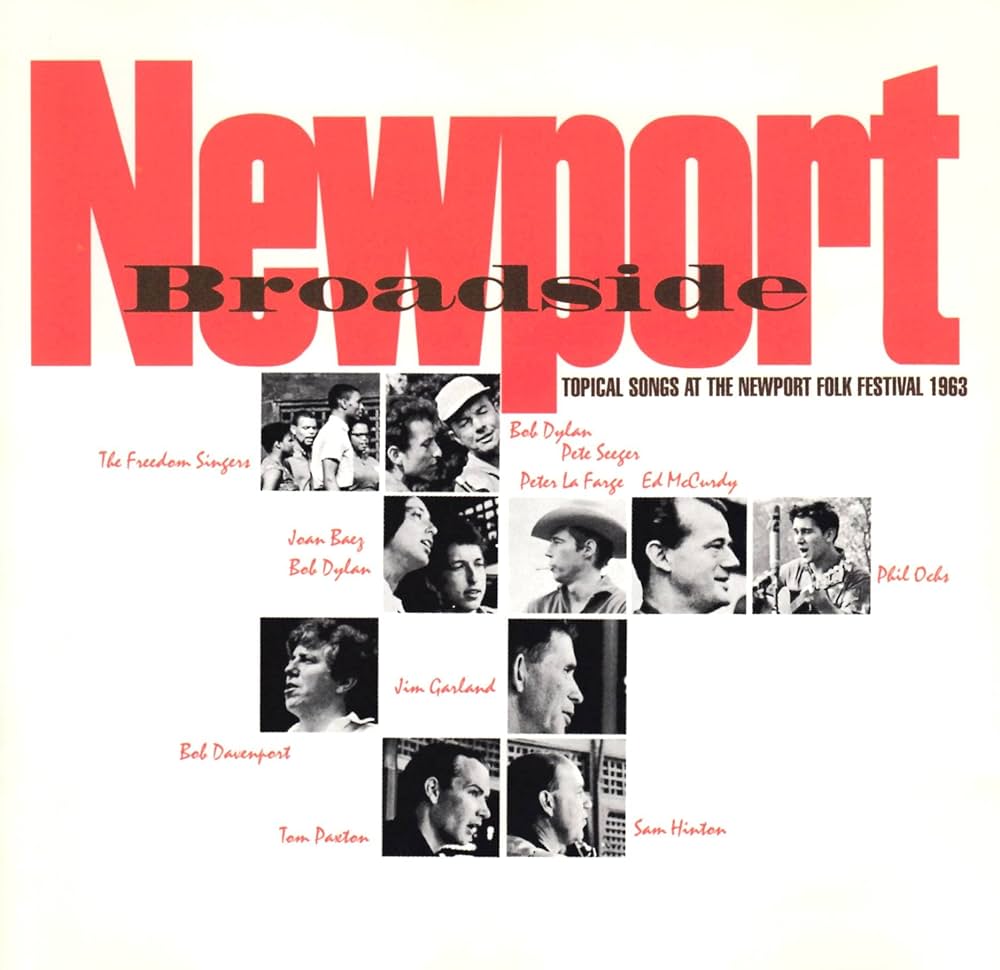
Tonight’s JamFest programming reinforces that mission with a dual spotlight event: “Newport Broadside – Topical Songs at the Newport Folk Festival 1963–1964” alongside The NewGrass Radio Show. The historical pairing is intentional. The early 1960s Newport Folk movement represented one of the first major inflection points where folk music intersected with social commentary and broader cultural shifts. By aligning that moment with today’s NewGrass evolution, JamFest draws a direct line between past disruption and present-day reinvention.
The current news cycle in the bluegrass and NewGrass space underscores just how active—and volatile—this moment is. Major releases, tour shifts, collaborations, and health developments are all shaping the landscape simultaneously.
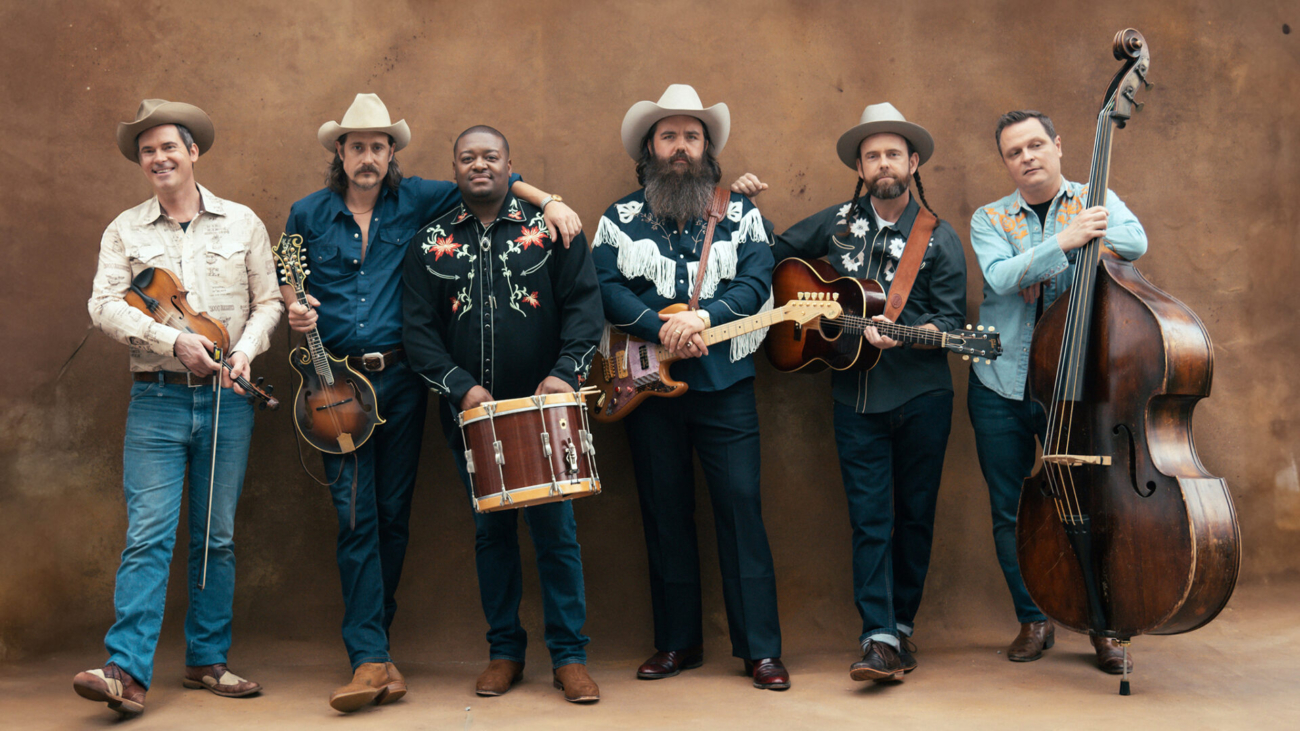
On the recording front, Old Crow Medicine Show has formally announced Union Made, a high-profile album scheduled for June 5, 2026. The project is already generating industry-level attention, driven by its lead single “My Side of the Mountain,” which brings together a rare convergence of elite talent, including Del McCoury, Ronnie McCoury, Molly Tuttle, and Luke Combs. This type of cross-generational collaboration is no longer an exception—it is becoming a structural norm within the genre.
Meanwhile, Billy Strings, one of the most commercially and critically significant figures in modern bluegrass, has been forced to temporarily step away from touring due to a leg injury. His postponed April dates in West Virginia and Indiana have been rescheduled for August 2026, with a targeted return performance set for Willie Nelson’s 4th of July Picnic. His absence underscores both his importance to the live circuit and the fragility of a touring ecosystem that relies heavily on individual performers at peak output.
At the same time, Sturgill Simpson—operating under his evolving creative identity Johnny Blue Skies—continues to redefine genre expectations with his Mutiny for the Masses tour and the unconventional release strategy behind Mutiny After Midnight. Debuting at No. 3 on the Billboard 200 despite a physical-first rollout, the album challenges long-held assumptions about distribution, audience engagement, and market viability in roots-oriented music.
On the touring circuit, Molly Tuttle remains a central force, coming off a strong showing at MerleFest and moving directly into a co-headlining run with Maggie Rose. Her trajectory reflects a broader shift toward artist versatility, where technical mastery, songwriting depth, and crossover appeal are now baseline expectations rather than differentiators.
Beyond the headline artists, the release pipeline continues to deliver substantive work that reinforces the genre’s depth. The Del McCoury Band is preparing a collaborative project featuring Peter Rowan and David Grisman, while Tony Trischka has released Earl Jam 2, extending his ongoing exploration of archival and interpretive bluegrass material. Blue Highway is marking three decades with a live retrospective, Live at ETSU!, and Béla Fleck continues to operate at the intersection of genres with an upcoming collaboration alongside Renée Fleming.
The festival ecosystem remains equally active and increasingly essential as a proving ground for both established and emerging acts. MerleFest has already launched its 38th season with a lineup that balances tradition and forward motion, while ROMP Festival is positioning itself with a strong 2026 bill featuring Marty Stuart, Ricky Skaggs, and the Del McCoury Band. These festivals are no longer just performance platforms—they are strategic convergence points where collaborations form, audiences expand, and genre lines continue to dissolve.
At the same time, the community is navigating serious challenges. Ronnie Bowman remains hospitalized following a severe car accident, while Stanley Efaw and Todd Taylor are both facing significant health battles. In a genre historically defined by tight-knit networks and shared lineage, these developments resonate deeply, reinforcing the importance of community support alongside artistic output.
What distinguishes this current era from previous cycles is the simultaneity of expansion and preservation. The technical vocabulary of bluegrass—its instrumentation, harmonic structures, and ensemble interplay—remains intact, but its application has become fluid. Artists are no longer choosing between authenticity and innovation; they are integrating both as baseline practice.
JamFest’s NewGrass Radio Show operates directly within that intersection. It is not simply a playlist—it is an editorial statement, a curatorial engine, and a broadcast platform that treats this music with the depth and seriousness it demands. By presenting both foundational artists and forward-facing voices in a single continuum, the show captures the genre as a living system rather than a static tradition.
For listeners, this is an entry point into one of the most dynamic musical ecosystems currently operating in North America. For artists, it is a validation platform that recognizes both lineage and risk-taking. And for the broader industry, it is a signal that bluegrass and NewGrass are not niche categories—they are active, evolving frameworks capable of sustaining long-term cultural and commercial relevance.
As tonight’s programming unfolds on JamFest, the message is clear: this is not a retrospective moment. It is a live transmission of a genre actively rewriting its own rules, in real time, with no intention of slowing down.