
There is a distinct shift happening across the global reggae and dancehall landscape in 2026—one that feels both rooted in legacy and aggressively forward-facing. From massive international festival expansions to a wave of meaningful new releases and career-defining moments from genre icons, the culture is not simply active—it is accelerating. What we are witnessing is not a cyclical resurgence, but a sustained evolution where heritage, innovation, and global reach intersect at scale. At JamFest, this moment aligns directly with what we amplify daily, and through the Radio Show Project Reggaeologist, we are not just documenting the movement—we are actively programming its pulse in real time.
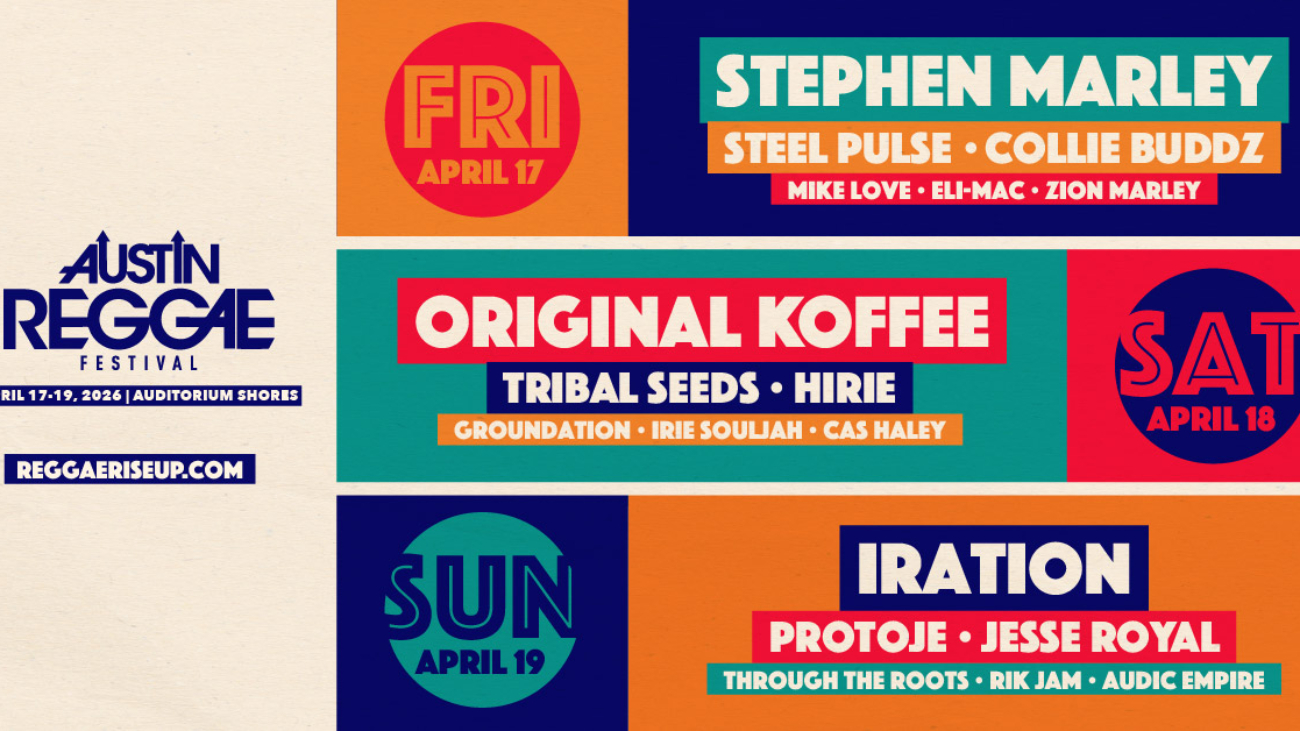
The current festival circuit alone tells the story. Reggae is commanding larger stages, broader audiences, and more diverse lineups than at any point in recent memory. The Austin Reggae Festival, set for April 17 through 19, 2026, represents a strategic elevation under new stewardship, now powered by the Reggae Rise Up team. That transition signals a tightening of production quality and booking power, reflected in a lineup anchored by Stephen Marley, Koffee, and Iration—artists who collectively bridge generational authenticity with modern crossover appeal. This is not just a regional gathering anymore; it is a destination event with global implications.
Across the Atlantic, Reggae Land in the UK has expanded into a full three-day experience, underscoring the genre’s deep-rooted influence throughout Europe. The inclusion of Burna Boy alongside cornerstone reggae and dancehall figures like Vybz Kartel, Shaggy, Shenseea, and Beenie Man reflects a deliberate blending of Afrobeat, dancehall, and reggae into one unified sonic ecosystem. Kartel’s appearance alone carries historic weight, marking a long-anticipated debut that will undoubtedly reshape the narrative around live dancehall performance in Europe.
Meanwhile, Reggae Rise Up Arizona continues to solidify its reputation as one of the premier U.S.-based reggae festivals, bringing together Stephen Marley, Rebelution, Dirty Heads, SOJA, and Collie Buddz in a setting that has become synonymous with consistency, community, and high-caliber curation. This is the American festival model at its most refined—artist-driven, fan-focused, and built for longevity.
Beyond land-based festivals, the Love & Harmony Cruise—currently sailing out of Miami through April 6, 2026—represents another dimension of the culture’s expansion. Floating festivals have become a powerful extension of the reggae lifestyle, offering immersive, multi-day experiences where the music is not confined to a stage but becomes the entire environment. These formats deepen fan engagement and create a global meeting point for the community in ways traditional venues cannot replicate.
At the same time, the studio landscape is delivering substance that matches the scale of the live circuit. Maxi Priest’s latest single, “Touch By An Angel,” arrives as a reminder of the genre’s emotional core—romantic, melodic, and timeless in its delivery. Ziggy Marley’s forthcoming project Brightside, scheduled for release on April 18, is positioned as one of the most anticipated drops of the year, carrying forward a legacy while pushing into new thematic territory. Hempress Sativa continues to assert her voice through the Woman Club Tour, extending the reach of her recent album Woman and reinforcing the growing prominence of female artists in the reggae space. Anthony B’s upcoming album World of Love, arriving April 24, further strengthens the release calendar with a project expected to blend conscious messaging with modern production sensibilities.
Closer to home, the tri-state region is beginning to reflect this global momentum. The inaugural Jersey Joint 4/20 Festival in Glassboro, New Jersey on April 18, 2026, signals a localized but meaningful expansion of reggae and lifestyle culture into new community-driven formats. Events like this are essential—they create entry points, build regional identity, and ensure that the genre’s growth is not limited to major markets alone.
Yet even within this wave of activity, one release stands above the rest in terms of cultural impact and narrative significance. Elephant Man’s Pretty Baby is not simply a project—it is a statement of intent, a recalibration of relevance, and a masterclass in how legacy artists can re-enter the conversation with authority.
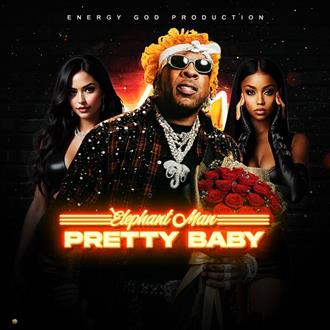
The origin story alone is remarkable. What began in the summer of 2025 as a bold reinterpretation of Connie Francis’s 1962 classic “Pretty Little Baby” quickly evolved into a viral phenomenon. In an era where virality often burns fast and fades faster, “Pretty Baby” did the opposite. It sustained momentum, driven by global dance challenges, algorithmic amplification, and a genuine connection with audiences across generations. The track climbed streaming platforms, secured a dominant position on reggae charts, and embedded itself into the cultural zeitgeist in a way few releases manage.
Recognizing the opportunity, Elephant Man did not rush a follow-up. Instead, he expanded the concept into a fully realized eight-track EP that transforms the original single into the foundation of a broader sonic experience. The project builds outward—layering high-energy dancehall rhythms with polished production, strategic collaborations, and a clear understanding of what modern audiences demand without abandoning the core DNA that defines the genre.
This is where Pretty Baby separates itself from typical releases. It is both nostalgic and contemporary, leveraging familiarity while delivering innovation. It speaks to longtime fans who recognize the lineage, while simultaneously capturing a new generation that discovered the sound through digital platforms. That duality is not accidental—it is engineered, and it is effective.
From a macro perspective, Elephant Man’s resurgence is emblematic of a larger truth: reggae and dancehall are not niche genres operating on the fringes of global music—they are foundational influences that continue to shape mainstream sound. The rhythms, the cadence, the cultural storytelling—they permeate pop, hip-hop, Afrobeat, and beyond. What is happening in 2026 is not a revival—it is a reaffirmation of dominance.
This is precisely why JamFest’s Radio Show Project Reggaeologist exists at the center of this conversation. With a format built around non-stop reggae, dancehall, roots, world, and ska, alongside curated selections from the most influential reggae festivals across the globe, the platform operates as both a discovery engine and a cultural archive. It is where legendary catalog meets emerging talent, where studio recordings intersect with live energy, and where listeners are immersed in the full spectrum of the genre without interruption.
Each week, the show continues to elevate both established icons and the next wave of artists, ensuring that the evolution of reggae is not just observed—it is experienced. This is critical in a landscape where algorithms often dictate exposure. Reggaeologist reintroduces curation, expertise, and intentional programming into the equation, providing a level of depth that passive listening platforms cannot replicate.
As 2026 unfolds, all indicators point to continued expansion. Festival footprints will grow, cross-genre collaborations will deepen, and artists will increasingly leverage global platforms to amplify their reach. But at its core, the foundation remains unchanged: rhythm, message, and connection.
What we are seeing now is a convergence of scale and substance—a moment where reggae and dancehall are not just participating in the global music economy but actively shaping it. And through JamFest, through Reggaeologist, and through the artists driving this movement forward, that story is being told louder, wider, and more definitively than ever before.