
There are moments when music, culture, and physical space align in a way that feels larger than programming or performance—something closer to a full-spectrum experience that connects eras, audiences, and artistic disciplines. JamFest is operating directly in that lane right now, pushing beyond the traditional boundaries of radio and live-event storytelling into something more immersive, more continuous, and far more reflective of how modern audiences actually engage with music. What is unfolding is not just a schedule or a lineup—it is a living, breathing ecosystem of sound, anchored by deep musical credibility and amplified by a forward-thinking approach to curation.
At the center of this evolution is Club Night, JamFest’s Saturday night flagship that transforms the platform into a global electronic music conduit. This is not a casual mix show or a passive playlist—it is a full-scale sonic takeover that bridges the studio and the festival circuit, pulling energy from the world’s most iconic dance floors and delivering it directly into listeners’ homes, cars, and headphones. Every Saturday night, the format shifts into high gear with DJ-driven programming, original remixes, and a rotating current of electronic music that spans genres, tempos, and continents. From peak-hour festival anthems to underground cuts that rarely surface outside elite club environments, Club Night is engineered as a continuous experience, not a segmented broadcast.
What sets it apart is the commitment to flow. The transition into Sunday Spunday—beginning at 2AM EST and extending deep into the morning hours—ensures that the energy does not drop; it evolves. This overnight stretch is where the lines between live performance, DJ culture, and curated radio dissolve entirely. It mirrors the arc of a real night out: the early momentum, the late-night intensity, and the sunrise comedown where deeper, more atmospheric sounds take over. In a media landscape often defined by short attention spans and fragmented content, JamFest is leaning into duration, immersion, and narrative through sound.
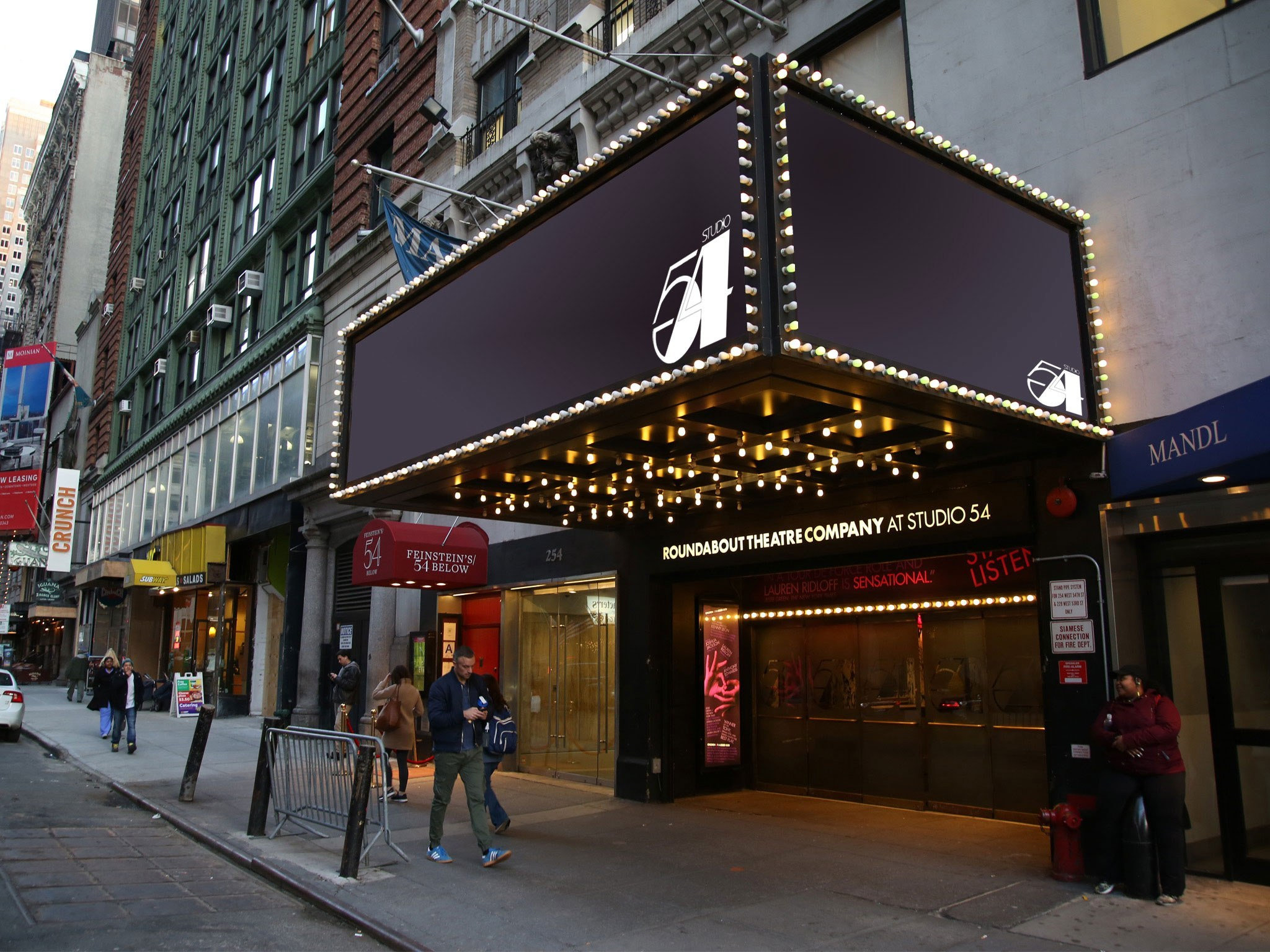
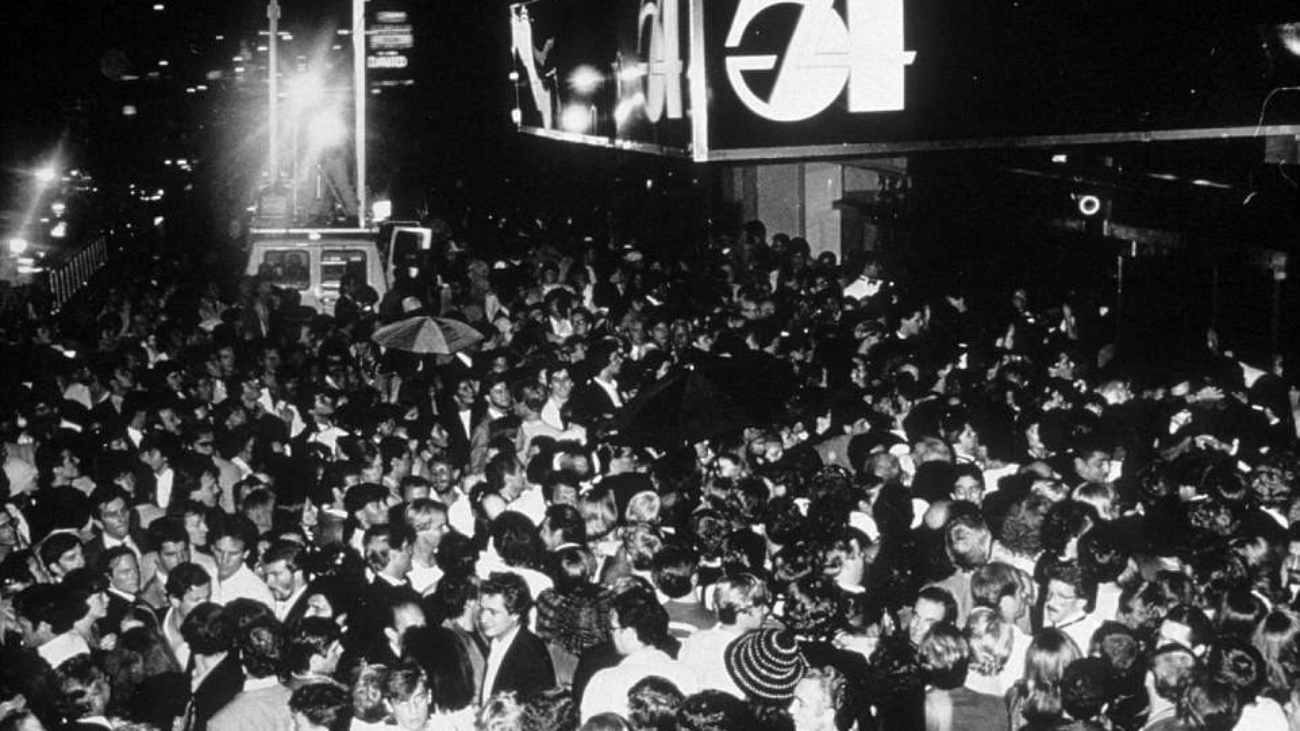
That philosophy of continuity and reinvention is not confined to the airwaves. It finds a powerful parallel in the physical transformation of one of New York City’s most storied cultural addresses: 254 West 54th Street. Once synonymous with the excess, glamour, and cultural upheaval of the original Studio 54 era, the building has continued to evolve, and now it is entering another defining chapter. The Roundabout Theatre Company’s recently announced $100 million renovation marks the first comprehensive overhaul of the venue in decades, signaling a renewed commitment to both preservation and innovation.
The scope of the project is significant. The goal is not simply to modernize, but to elevate the space into a fully optimized, future-facing performance environment. Accessibility is being expanded in meaningful ways, ensuring that a broader audience can experience what the venue has to offer. Advanced assisted listening systems will be integrated, aligning with contemporary expectations for inclusivity and technical excellence. Perhaps most notably, the restoration of a permanent stage and the addition of a full orchestra pit represent a deliberate return to theatrical fundamentals that had been absent since the building’s transition away from its disco roots in the 1980s. This is not nostalgia—it is strategic reinvention.
Equally important is the reimagining of the building’s third floor into a flexible-use space designed for artistic development, education, and community engagement. This addition reflects a broader shift in how cultural institutions operate today. It is no longer enough to present finished work; there is a growing emphasis on fostering the process behind it, creating environments where artists can experiment, collaborate, and connect with audiences in more direct and meaningful ways. In that sense, the building’s evolution mirrors JamFest’s own trajectory—both are expanding their roles from platforms of presentation to engines of creative exchange.
Despite the scale of the renovation plans, the venue remains very much alive in the present. Current productions are drawing significant attention, including a high-profile revival of The Rocky Horror Show that has already extended its run due to overwhelming demand. With a cast that blends theatrical precision and cultural recognition, the production reinforces the venue’s ability to balance legacy appeal with contemporary relevance. Looking ahead, the scheduled staging of Oedipus signals a continued commitment to ambitious, thought-provoking programming that spans genres and eras.
The building’s legacy as a cultural crossroads is also being actively revisited through brand activations and special events. A one-night-only reopening in September 2025 reintroduced the spirit of the original club to a new generation, serving as the backdrop for a major fashion and beauty launch that drew directly from the aesthetic codes of the 1970s. These moments are not attempts to recreate the past—they are reinterpretations, using the mythology of the space as a foundation for new creative expressions.
Downstairs, 54 Below continues to operate as one of the most respected cabaret venues in the country, offering an intimate counterpoint to the larger-scale productions above. Its programming remains consistently strong, attracting performers who bring both technical mastery and emotional depth to the stage. This layered approach—large theater, experimental community space, and intimate cabaret—creates a vertical ecosystem of performance that few venues can match.
There is a throughline connecting all of this, and it is rooted in the idea that music and performance are not static. They are constantly being reshaped by context, by technology, and by the expectations of audiences who are more connected and more discerning than ever before. JamFest’s Club Night and Sunday Spunday embody this shift on the broadcast side, delivering a continuous, evolving experience that reflects the rhythms of real-world music culture. The transformation of 254 West 54th Street reflects it in physical form, demonstrating how even the most iconic spaces can adapt without losing their identity.
For listeners and fans, the result is a richer, more integrated experience. You can move from a late-night DJ set that captures the pulse of a global festival to a historic venue that is redefining what live performance looks like in the modern era, all within the same cultural orbit. That is the power of thoughtful curation and strategic evolution—it creates connections that feel organic, even when they span decades and disciplines.
JamFest is not simply keeping pace with the culture; it is actively shaping how that culture is experienced. And as Club Night continues to expand its reach, carrying listeners from Saturday night into Sunday morning without interruption, it reinforces a simple but powerful idea: the best music experiences are not confined to a moment. They are extended, immersive, and built to be lived in.