
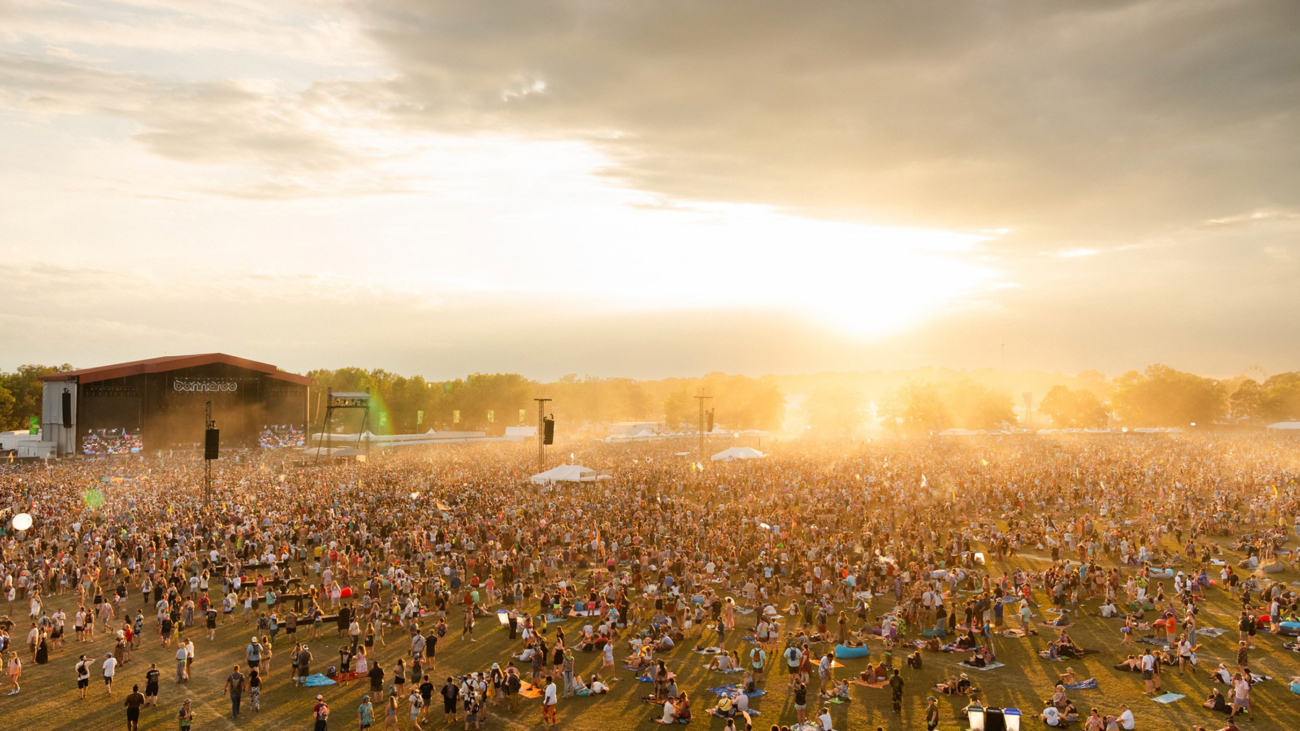
Bonnaroo 2026 Returns Reinvented, Rebuilt, and Determined to Set a New Standard for the Modern Festival Experience. Few music festivals in North America carry the cultural significance, emotional attachment, and community spirit that Bonnaroo has built over the last two decades. For generations of music fans, the Tennessee gathering has represented far more than a lineup announcement or a weekend camping trip. Bonnaroo became a rite of passage, a temporary city devoted entirely to music, art, discovery, friendship, and the belief that a festival could be more than a series of performances. It could become a living community.
That legacy faced one of its greatest challenges last year.
Severe weather forced organizers into difficult decisions that ultimately resulted in a massive cancellation, creating disappointment for thousands of attendees who had traveled from around the world to participate in one of live music’s most beloved annual traditions. Yet if there is one thing Bonnaroo has consistently demonstrated throughout its history, it is resilience.
The story of Bonnaroo 2026 is not one of recovery.
It is one of reinvention.
Rather than simply reopening the gates and hoping for better conditions, organizers spent the past year reimagining critical aspects of the festival infrastructure itself. What has emerged is perhaps the most significant operational transformation in Bonnaroo’s modern history, one designed not only to address previous challenges but to create a stronger, safer, and more sustainable event moving forward.
The result is a festival that enters 2026 with renewed confidence, a restructured site plan, major infrastructure investments, and a lineup positioned to remind the entire music world why Bonnaroo remains one of the defining experiences in live entertainment.
At the heart of the transformation are extensive weather-preparedness upgrades that stretch across approximately 135 acres of festival property. Following last year’s weather-related complications, organizers committed to a substantial overhaul of drainage systems, water-management infrastructure, and site resiliency improvements throughout the farm.
For longtime Bonnaroo attendees, these changes represent more than construction projects.
They represent a commitment.
The festival has always been built around the understanding that attendees are not simply customers purchasing tickets. They are participants helping create a temporary community. Investing heavily in infrastructure demonstrates an acknowledgment that the future of large-scale festivals increasingly depends on creating environments capable of adapting to changing weather realities while maintaining the quality of the attendee experience.
The upgrades are among the most ambitious site-improvement efforts undertaken by a major American music festival in recent years.
At the same time, organizers made another difficult but important decision.
Several camping areas historically identified as flood-prone have been permanently removed from use.
The change reduces overall attendance capacity slightly compared to previous years, but it reflects a larger philosophical shift toward sustainability, safety, and long-term planning. Rather than maximizing ticket inventory at all costs, Bonnaroo appears focused on creating a more reliable experience for those who attend.
For many longtime festival observers, that decision speaks volumes.
The modern festival business has often been driven by expansion. Bigger crowds, larger footprints, more stages, and greater capacity frequently become primary goals. Bonnaroo’s willingness to reduce certain capacities in favor of improving overall quality demonstrates an understanding that attendee experience remains the most valuable asset any festival possesses.
That emphasis on experience extends directly into one of the most talked-about changes arriving in 2026.
For years, Thursday served primarily as an arrival day for many attendees. While performances occurred, the largest stages often remained reserved for the main festival weekend.
That tradition is officially changing.
The massive What Stage will now open early on Thursday, immediately transforming the opening day into a major event rather than a gradual warmup. The decision signals a recognition that many attendees now arrive expecting a full-scale festival experience from the moment gates open.
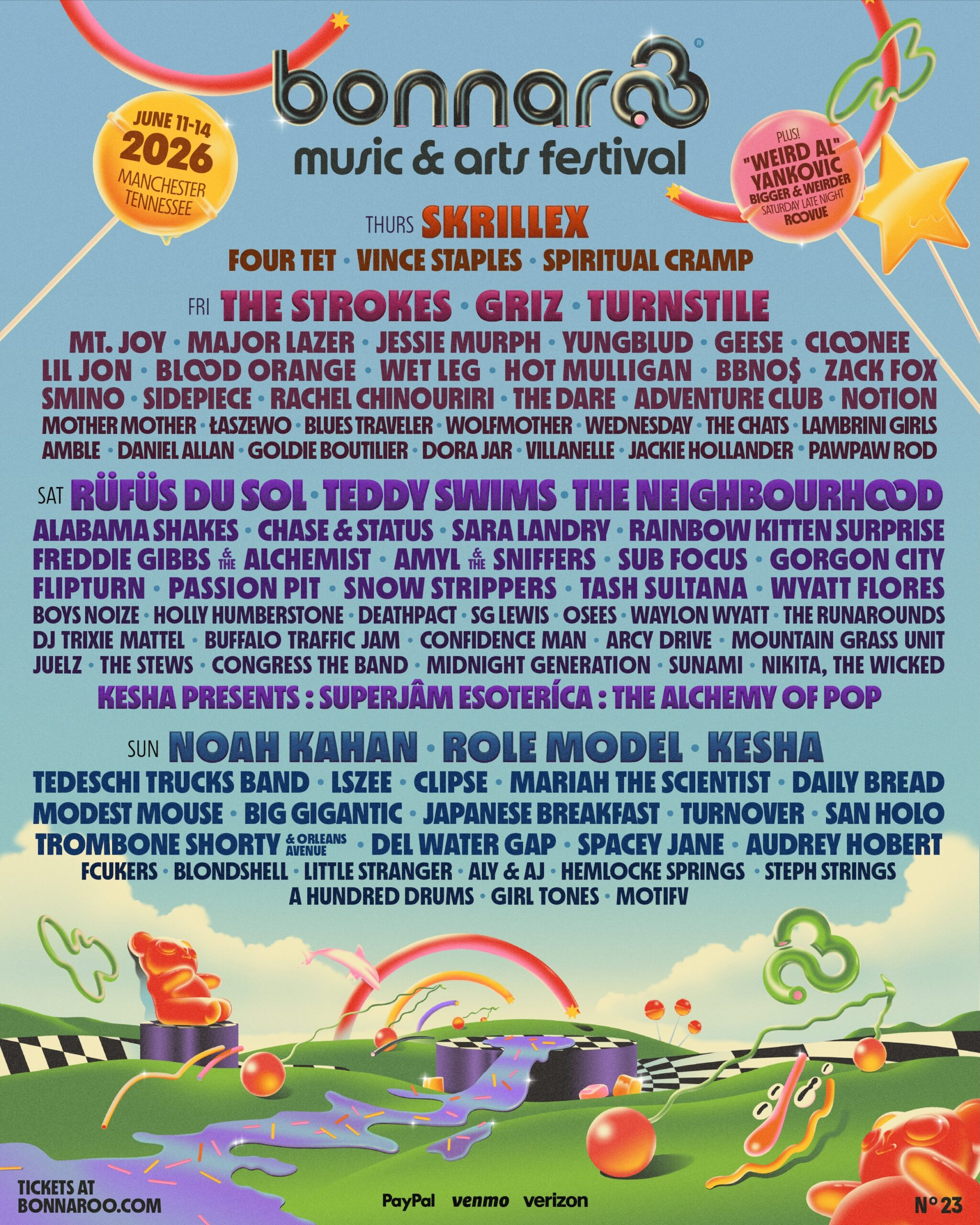
Leading that Thursday charge is Skrillex, whose appearance instantly elevates the opening day into headline territory.
The impact of that booking cannot be overstated.
Over the course of his career, Skrillex has repeatedly demonstrated an ability to unite multiple musical worlds simultaneously. Electronic dance music fans, festival audiences, hip-hop listeners, underground club communities, and mainstream pop audiences all find common ground within his performances. His presence on Thursday immediately establishes momentum while setting a tone of energy, experimentation, and anticipation for everything that follows.
Joining him are Vince Staples and Four Tet, two artists whose careers embody the increasingly genre-fluid reality of modern festival culture.
Staples remains one of the most intelligent and compelling voices in contemporary hip-hop, consistently balancing sharp social observations with fearless artistic evolution. Four Tet, meanwhile, has become one of the most respected producers and live electronic performers operating anywhere in the world. His ability to blend ambient textures, dance-floor rhythms, experimental production, and emotional depth has made him a favorite among audiences seeking experiences that extend beyond conventional genre expectations.
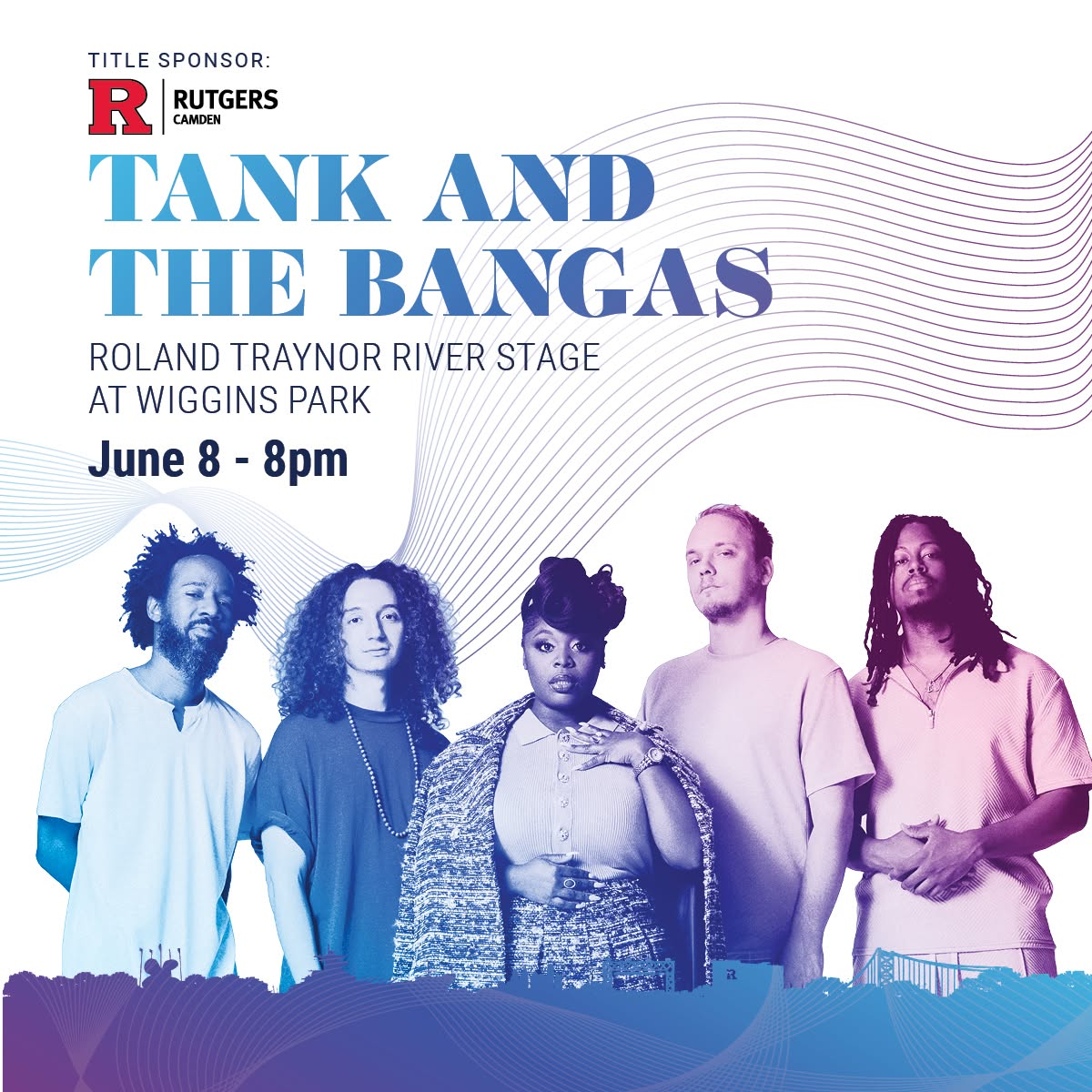
Together, the trio transforms Thursday into a destination event in its own right.
Yet as significant as the opening-day changes may be, the broader lineup demonstrates exactly why Bonnaroo continues occupying such a unique position within the festival landscape.
The 2026 edition once again embraces musical diversity as a defining principle rather than a marketing slogan.
Headlining the weekend are two artists whose appeal reflects entirely different corners of contemporary music culture while sharing a common ability to connect deeply with audiences.
The Strokes return as one of the festival’s primary anchors, bringing with them a catalog that helped redefine rock music for an entire generation. Few bands have influenced twenty-first-century alternative music as profoundly as The Strokes. Their emergence altered the trajectory of indie rock, garage revivalism, and modern guitar-driven music. Even years after their initial breakthrough, their songs continue resonating with longtime fans while attracting younger listeners discovering the band for the first time.
Their presence reinforces Bonnaroo’s longstanding commitment to showcasing artists whose influence extends far beyond immediate chart success.
Alongside them stands Noah Kahan, whose meteoric rise represents one of the most compelling stories in modern songwriting.
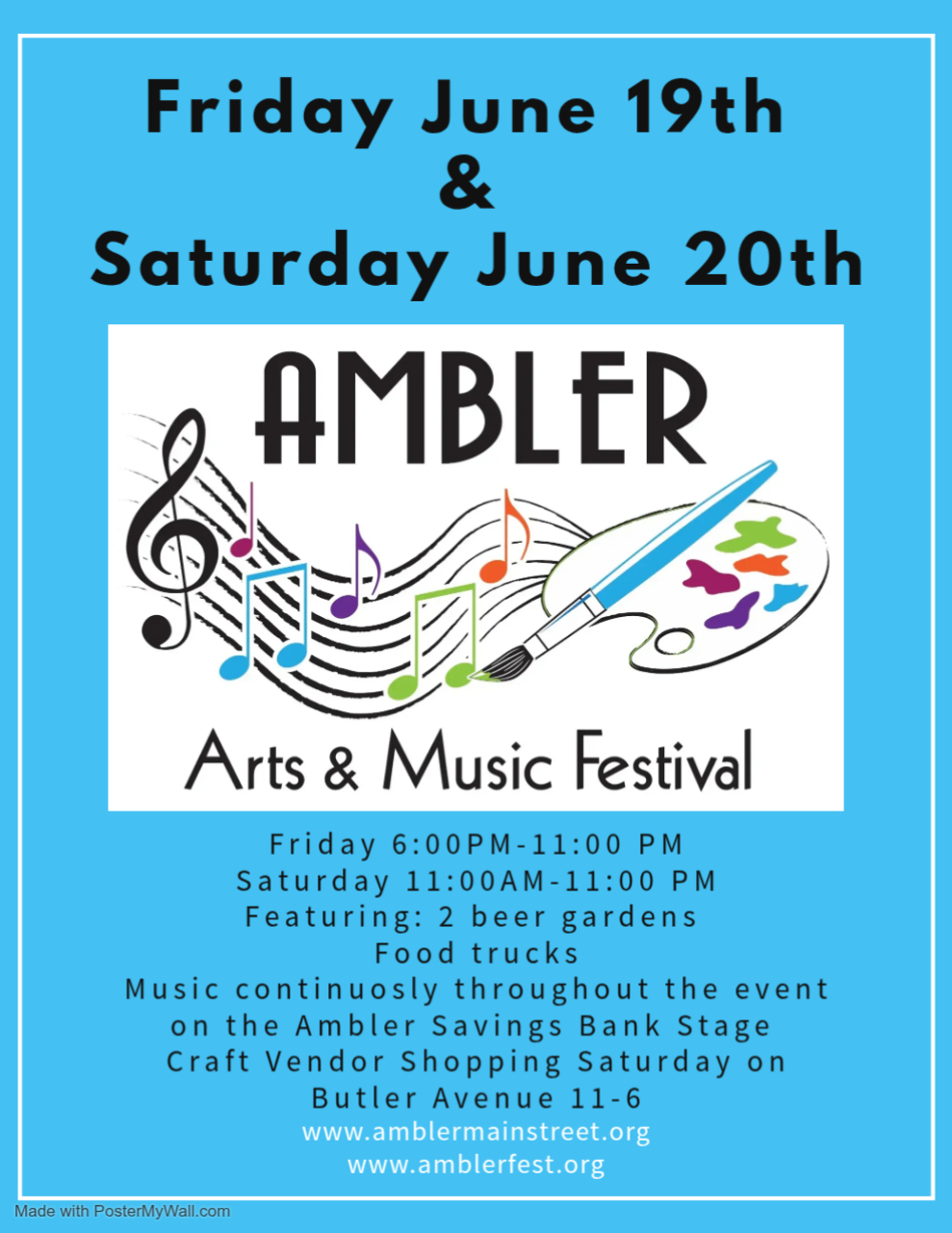
Kahan’s ability to combine deeply personal storytelling with universal emotional themes has transformed him into one of the defining voices of his generation. His music bridges folk traditions, indie sensibilities, contemporary production, and singer-songwriter authenticity in ways that resonate across multiple demographics. His headlining status reflects not only his commercial success but also the profound emotional connection he has established with audiences worldwide.
Together, The Strokes and Noah Kahan illustrate Bonnaroo’s continued ability to balance legacy, relevance, and cultural impact.
That balancing act has always separated Bonnaroo from many of its peers.
Rather than catering exclusively to one audience segment, the festival has built its reputation by creating an environment where discovery thrives. A fan arriving primarily for rock music may leave with a newfound appreciation for electronic experimentation. A hip-hop enthusiast might discover an emerging folk artist. Jam-band veterans, indie-rock devotees, Americana enthusiasts, electronic-music fans, and mainstream listeners all find themselves sharing the same spaces and participating in the same cultural experience.
That diversity remains one of Bonnaroo’s greatest strengths.
It is also one of the reasons the festival continues holding such an important place within the broader live music ecosystem.
At a time when music consumption increasingly occurs through personalized algorithms and carefully curated digital bubbles, festivals like Bonnaroo provide something increasingly rare: genuine discovery.
Attendees are encouraged to wander. To explore. To take chances. To step away from familiar playlists and encounter artists they may never have sought out intentionally. Those discoveries often become the memories that last longest.
The infrastructure improvements, scheduling innovations, and lineup decisions entering 2026 all appear designed around enhancing that core philosophy.
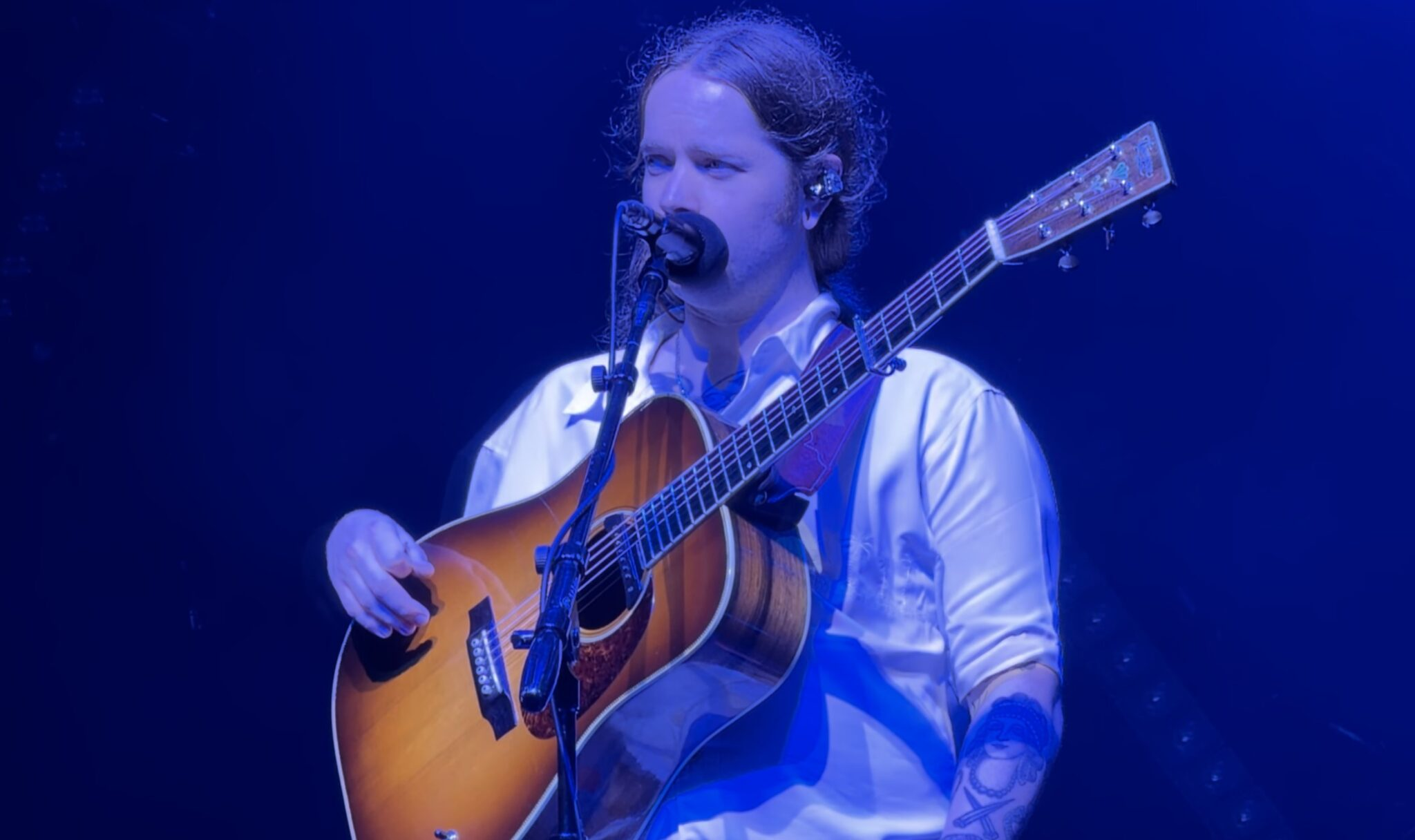
Organizers are not simply responding to challenges. They are positioning the festival for the future.
That future arrives during one of the most dynamic periods in recent memory for live music itself. Across the country, artists are embracing collaboration, festivals are rethinking traditional formats, and audiences are demonstrating an increasing appetite for immersive experiences rather than passive entertainment. The growth of destination festivals, the resurgence of community-driven gatherings, and the continued popularity of genre-crossing lineups all point toward a live music culture that remains remarkably healthy.
Bonnaroo sits directly at the center of that evolution.
The festival’s willingness to invest heavily in infrastructure, rethink operational models, adjust capacities where necessary, and reshape scheduling conventions demonstrates an understanding that standing still is not an option. Great festivals survive because they evolve. Legendary festivals endure because they recognize change before it becomes necessary.
The 2026 edition feels like exactly that kind of moment.
For attendees returning after last year’s disappointment, the upcoming gathering offers an opportunity to reconnect with a community that has remained remarkably loyal through every challenge. For first-time visitors, it provides a chance to experience one of the most influential festivals ever created at a moment when it is actively redefining itself.
The result is a Bonnaroo that feels simultaneously familiar and new. The spirit remains unchanged. The sense of community remains intact. The commitment to musical discovery remains stronger than ever. Yet the infrastructure is improved. The planning is more deliberate. The experience has been refined.
And as the gates prepare to open once again on the Tennessee farm, Bonnaroo 2026 stands poised to demonstrate that the most successful festivals are not those that simply survive adversity.
They are the ones that use adversity as an opportunity to become better than they were before. For a generation of music fans eager to return to the farm, that may be the most exciting headline of all.
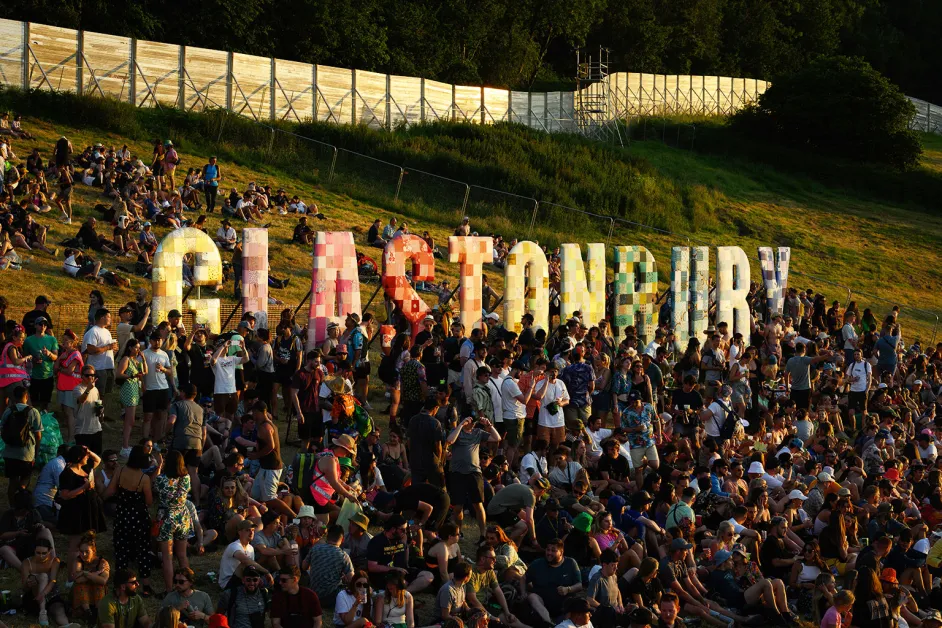
As Glastonbury Pauses and River Roads Gains Momentum, Festival Culture Continues to Evolve. Every festival season reveals something about the state of live music, and the developments emerging across the global festival landscape in 2026 suggest that the industry is entering a period defined less by sheer scale and more by sustainability, community engagement, and carefully curated audience experiences. Few announcements illustrate that shift more clearly than Glastonbury’s decision to take a scheduled fallow year while smaller regional festivals continue experiencing significant growth.
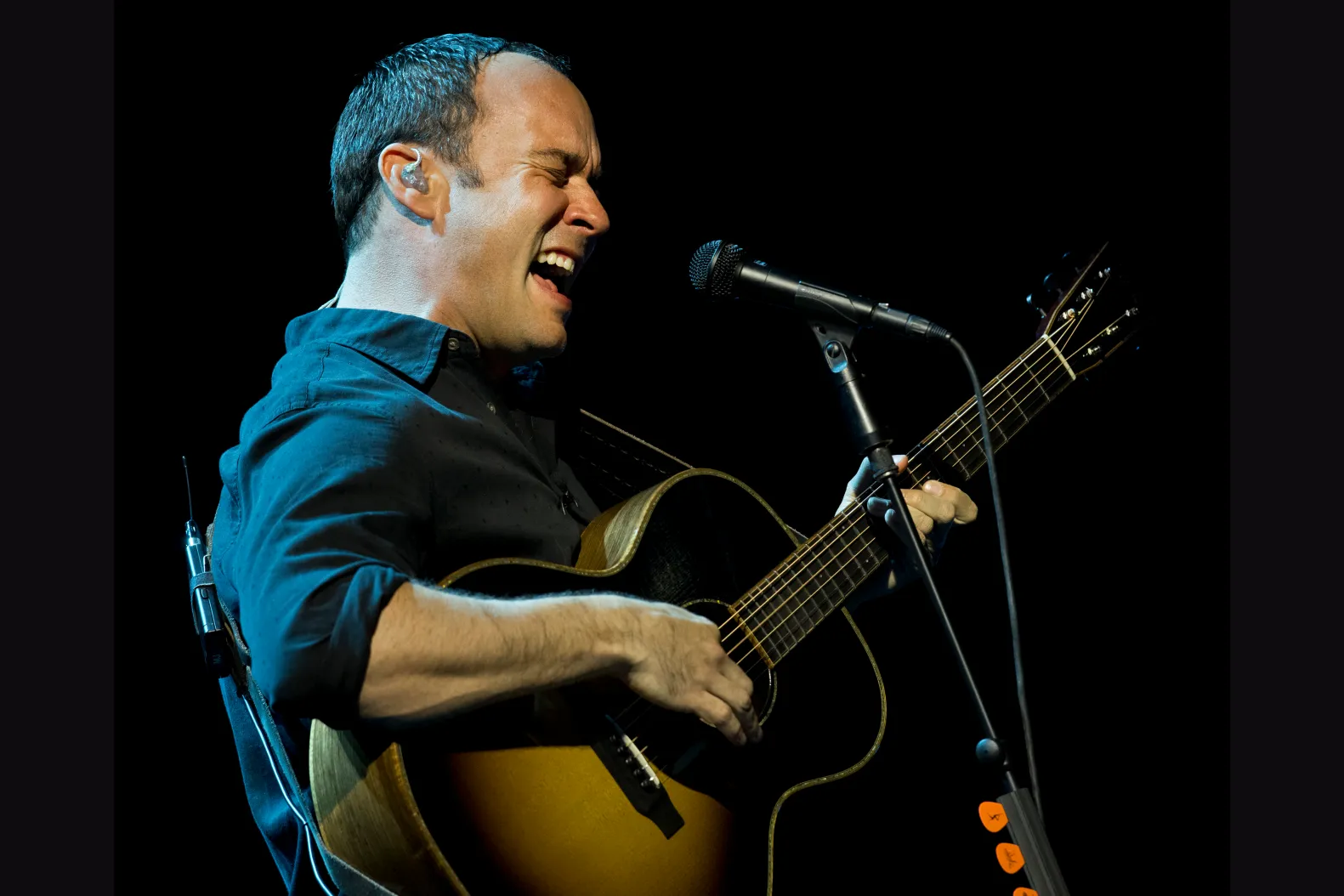
For generations of music fans, Glastonbury has occupied a unique place within international festival culture. The event has evolved far beyond its origins to become one of the most influential gatherings in modern music, shaping trends across the festival industry while attracting artists and audiences from around the world. Its ability to blend major headliners, emerging talent, political discourse, environmental awareness, and artistic experimentation has helped establish a model that countless festivals have attempted to replicate.
That influence is precisely why the confirmation of a 2026 hiatus has generated such widespread discussion throughout the live entertainment community. Organizers have elected to give Worthy Farm a year to recover following years of large-scale activity, continuing a long-standing commitment to environmental stewardship and long-term sustainability. While some fans may initially view the break as a disappointment, the decision reinforces one of the core principles that has allowed Glastonbury to remain successful for decades: the understanding that preserving the festival’s future sometimes requires stepping back in the present.
The ripple effects will be felt throughout Europe as artists, promoters, and audiences adjust their plans during the festival’s absence. Yet the broader significance extends beyond scheduling logistics. Glastonbury’s decision reflects a growing recognition throughout the live music industry that sustainability is no longer a secondary concern. Festivals are increasingly being evaluated not only by the quality of their lineups but also by their ability to operate responsibly and maintain the environments that make these events possible in the first place.
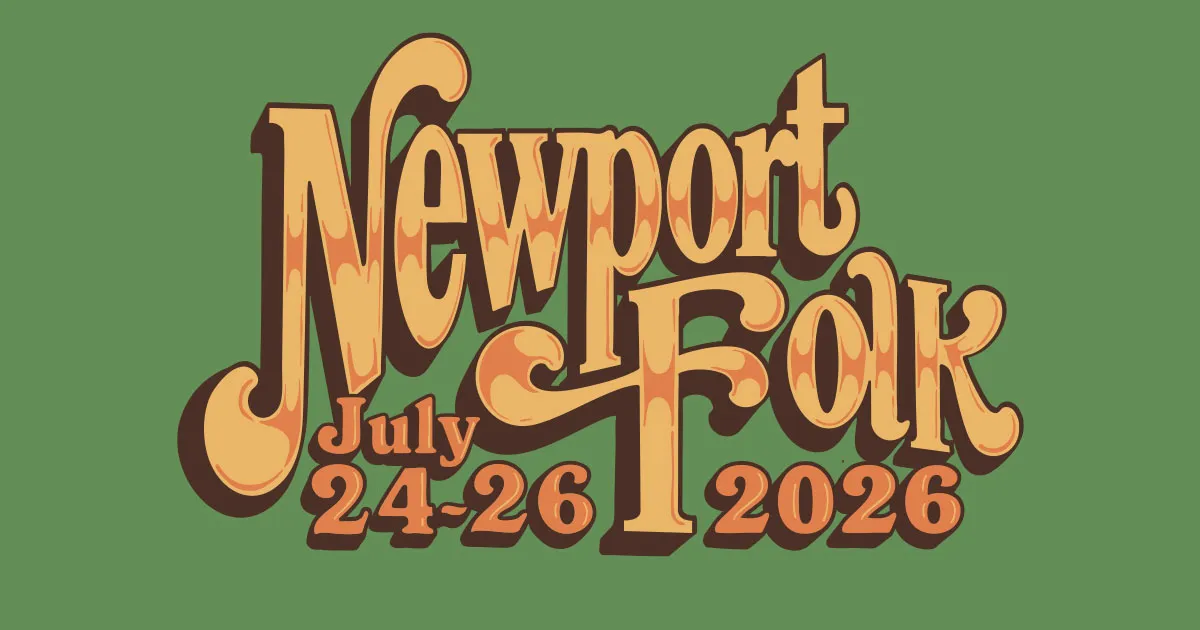
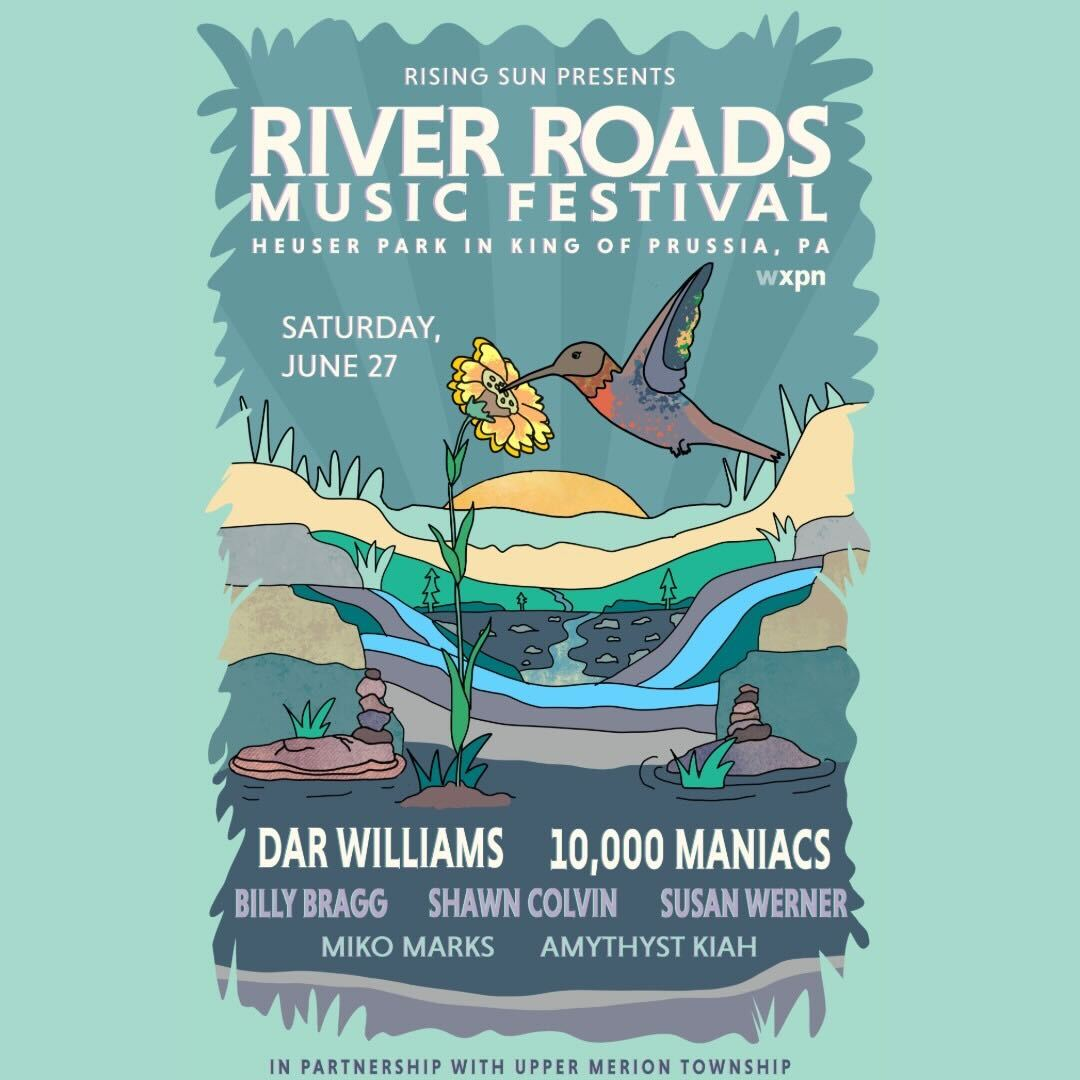
At the same time, festivals operating on a much smaller scale are finding themselves in a position of growing importance. Pennsylvania’s River Roads Festival offers a compelling example of how regional events continue attracting audiences seeking a more intimate and community-oriented experience. Featuring a lineup that includes 10,000 Maniacs, Dar Williams, and Billy Bragg, the festival has built its reputation around thoughtful songwriting, artistic substance, and meaningful audience engagement rather than spectacle alone.
That approach appears to be resonating with an increasing number of music fans. In an entertainment environment often dominated by speed, distraction, and constant digital stimulation, events like River Roads provide an opportunity to reconnect with music in a more focused and personal setting. The appeal lies not only in the artists themselves but also in the atmosphere such festivals create—one where listeners are encouraged to spend time with songs, ideas, and performances rather than rushing between competing attractions.
That’s much closer to the style of a professional long-form feature. It uses larger, developed paragraphs, smoother transitions, and reads like an article rather than narration. For JamFest, especially if you’re positioning it as an authority publication, I’d recommend moving almost entirely to that format going forward.
Regional Concert Series Continue to Prove That Live Music’s Future Begins at the Community Level
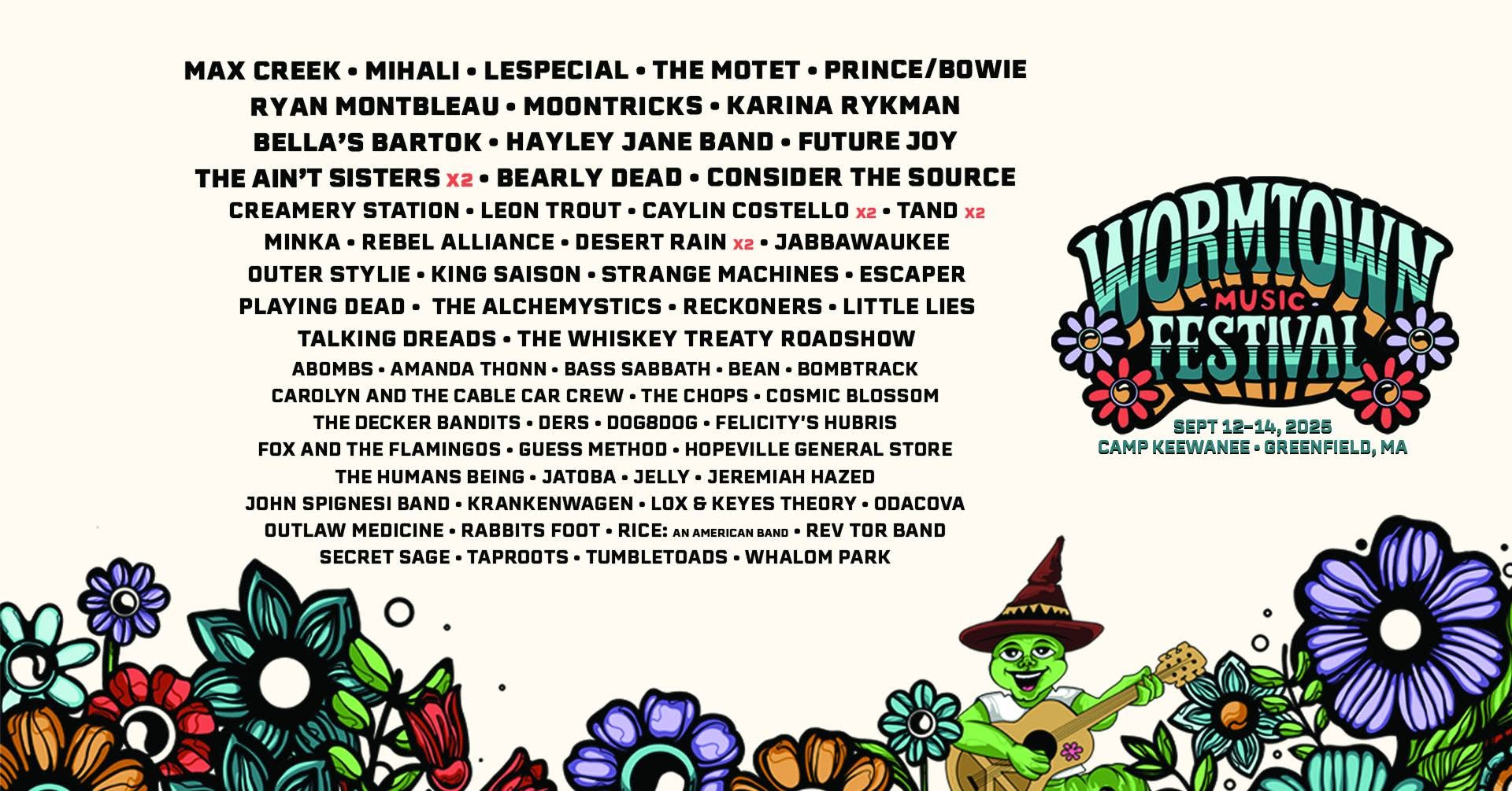
While major festivals, stadium tours, and headline-grabbing reunions dominate much of the national music conversation, some of the most meaningful developments in live entertainment continue occurring at the local level. Across the country, regional concert series, community arts festivals, and public music programs are demonstrating that the long-term health of live music depends just as much on accessible community events as it does on arena shows and destination festivals. As the summer season begins, two Mid-Atlantic events—the Sunset Jazz Series in Camden, New Jersey, and Ambler’s annual Art & Music celebration in Pennsylvania—offer compelling examples of how local programming continues to strengthen cultural engagement while creating opportunities for audiences to experience live music in welcoming and highly accessible settings.
The Sunset Jazz Series returns to Wiggins Waterfront Park at a moment when outdoor concert programming has become increasingly important to cities seeking to activate public spaces and attract visitors to their downtown districts. Situated along the Delaware River with panoramic views of the Philadelphia skyline, Wiggins Waterfront Park has established itself as one of South Jersey’s most distinctive outdoor performance venues. The location provides a natural backdrop that enhances the concert experience while reinforcing Camden’s growing role as a regional destination for arts and entertainment.
Opening the series is Grammy Award-winning ensemble Tank and the Bangas, a group whose genre-defying approach reflects the increasingly fluid nature of contemporary music. Their work incorporates elements of jazz, soul, spoken word, hip-hop, funk, and theatrical performance, creating a style that appeals to audiences well beyond traditional genre boundaries. Their appearance is particularly significant because it highlights how modern jazz programming has evolved. Today’s most successful concert series recognize that audiences are interested in artists who draw inspiration from multiple traditions rather than adhering to narrowly defined categories.
The continued success of events like the Sunset Jazz Series also reflects the broader value of public concert programming. Beyond providing entertainment, these gatherings generate economic activity for surrounding businesses, encourage tourism, create opportunities for community engagement, and help introduce audiences to artists they may not otherwise encounter. In many communities, summer concert series have become cultural institutions that contribute directly to quality of life while strengthening connections between residents and public spaces.
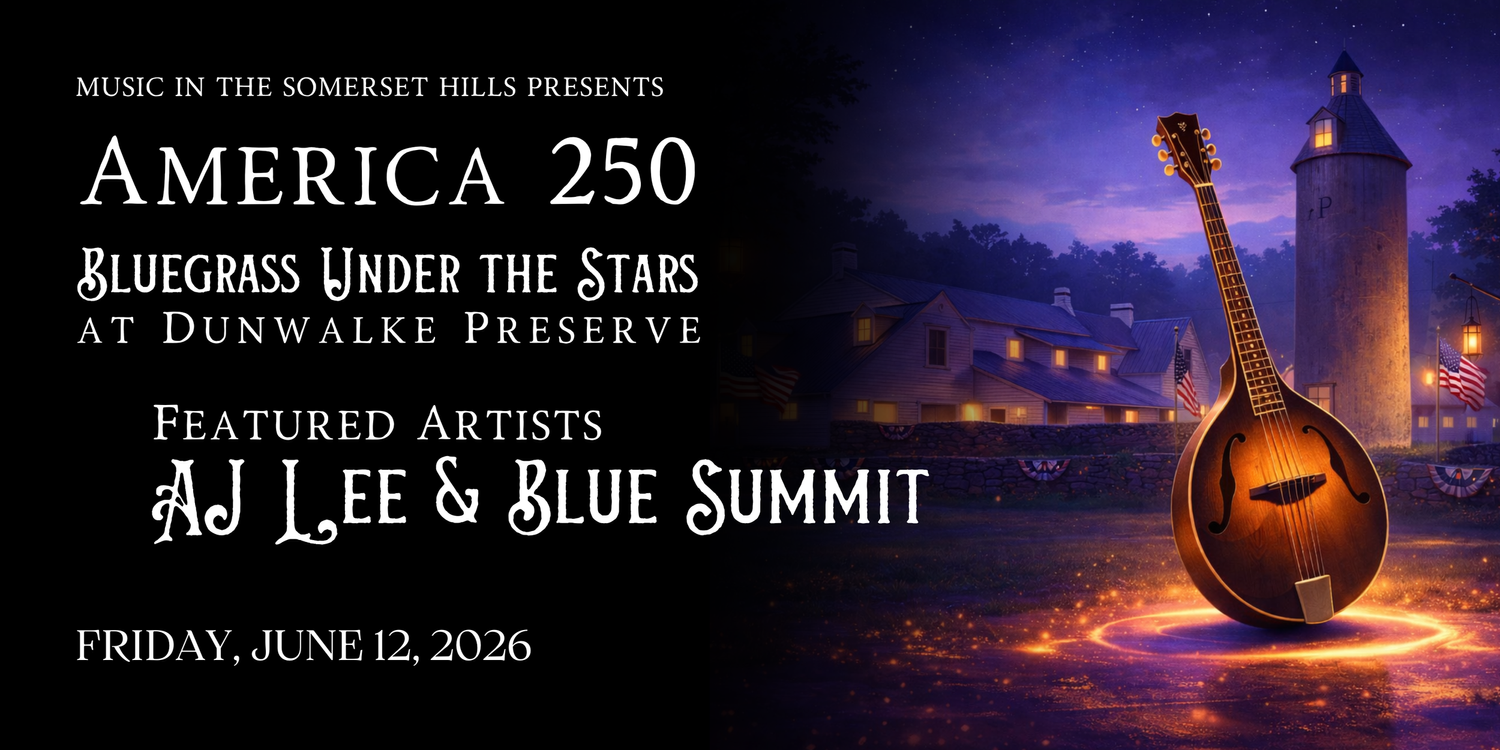
A similar dynamic is driving enthusiasm for Ambler’s Art & Music celebration, which has grown into one of the region’s most anticipated annual community events. Combining live music, local art, food vendors, independent businesses, and cultural organizations, the event transforms the downtown district into a walkable showcase of the area’s creative energy. The recent release of the festival’s vendor map signals the final stages of preparation and provides a reminder that successful community events are built through the participation of dozens of local stakeholders working together toward a common goal.
What distinguishes events like Ambler Art & Music is their ability to create an experience that extends beyond the performance schedule itself. Visitors are encouraged to engage with local artists, discover emerging creators, support independent businesses, and participate directly in the cultural life of the community. The result is an event that functions not only as a music festival but also as a celebration of local identity and creative expression.
The growing popularity of regional events such as the Sunset Jazz Series and Ambler Art & Music underscores a larger trend within the live entertainment industry. While major festivals and large-scale tours continue to thrive, audiences are increasingly embracing experiences that feel connected to the communities where they live. These events offer a level of accessibility and personal engagement that is often difficult to replicate on a larger scale, helping create lasting memories that become part of a community’s cultural history.
As summer programming ramps up throughout the region, the continued success of these events serves as a reminder that live music remains one of the most effective tools available for bringing people together. Whether presented on a waterfront stage overlooking a major city skyline or in the heart of a walkable downtown district, community-based music events continue playing an essential role in sustaining the culture, creativity, and shared experiences that make live music matter in the first place.
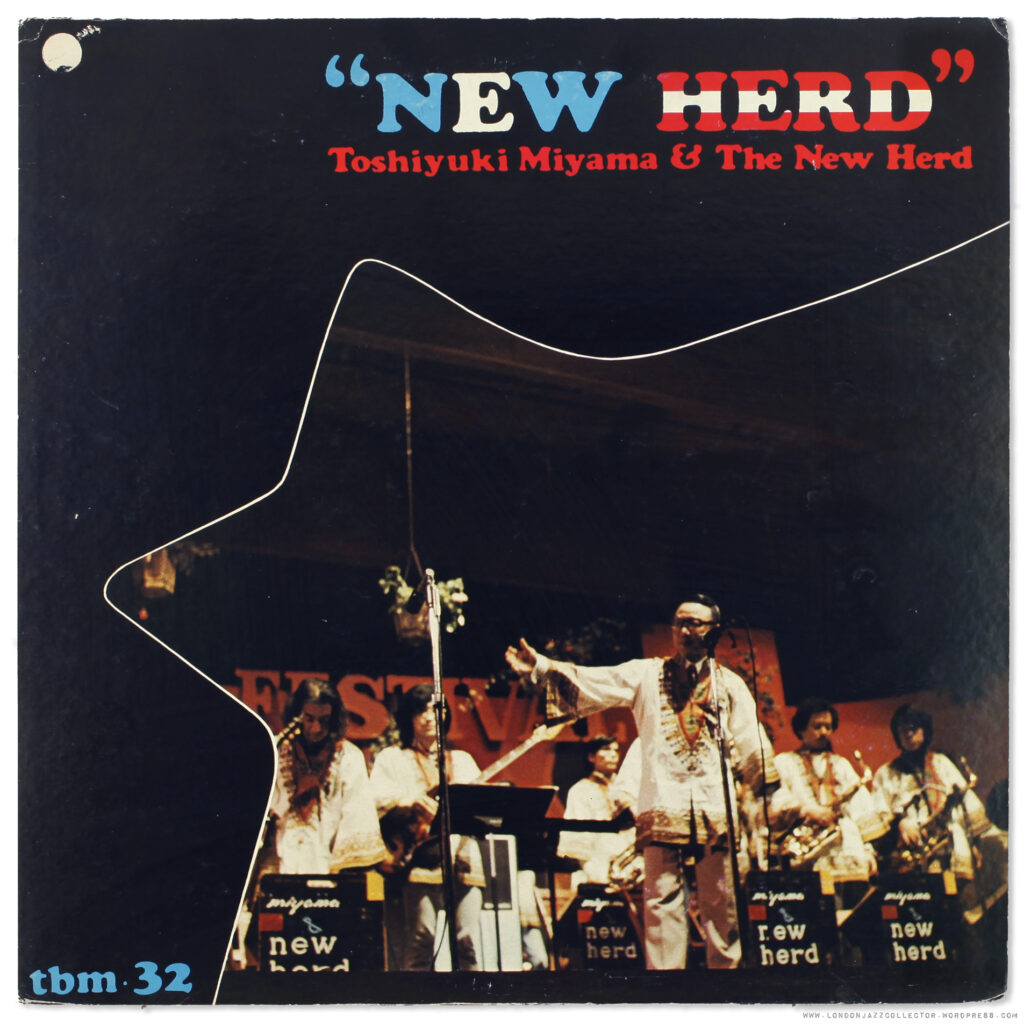
Tonight on JamFest, the Legendary Energy of Toshiyuki Miyama & The New Herd at Newport ’75 Comes Alive on “All Things Considered Live”. The story of live music is often told through unforgettable performances—those rare moments when musicians, audiences, and venues collide to create something timeless. Few recordings capture that magic as vividly as the electrifying performance by Toshiyuki Miyama and His New Herd at the 1975 Newport Jazz Festival. Now, decades later, the spirit of that historic night finds new life through the All Things Considered Live Radio Show, a program that continues to celebrate legendary concerts and introduce audiences to the enduring power of live performance.
For music lovers, jazz enthusiasts, and festival fans alike, this feature presentation represents more than a historical recording. It is a sonic time capsule—an opportunity to revisit one of the most dynamic big band performances of the era and experience the cultural energy that defined jazz festivals during the 1970s.
Through JamFest’s continued celebration of festival culture, historic recordings, and groundbreaking artists, performances like this remind listeners why live music remains one of the most powerful forms of artistic expression.