There are moments in music history when a project arrives not as a museum, not as a venue, and not even as an institution—but as a statement of intent. The Louisiana Music & Heritage Experience is precisely that kind of moment. Rising out of New Orleans—a city that doesn’t just host music but lives inside it—this ambitious $165 million development is positioning itself as one of the most important cultural builds in modern music history. For JamFest, and for anyone who understands the power of live performance, improvisation, and heritage, this is more than a headline. It is a signal.
To understand why this project matters, you have to start where all of it began. Long before global festivals, before streaming platforms, before recorded music reshaped how people consumed sound, there was a rhythmic convergence happening in the streets, in the gatherings, and in the open-air spaces of New Orleans. The earliest forms of jazz—Dixieland, traditional New Orleans style—weren’t curated. They were lived. They were communal. They were improvisational at their core. And they were born in places like Congo Square, where music, culture, and identity collided in real time.
The Louisiana Music & Heritage Experience is designed to capture that energy—not archive it.
At 120,000 square feet, the scale alone places it among the most ambitious music-focused developments ever conceived. But scale is not the story. The story is intent. This is not a museum built around glass cases and static exhibits. This is being constructed as a living environment, one that treats music as something that must be experienced dynamically. The vision is to move beyond preservation into immersion—where visitors don’t just learn about jazz, they step into it.
That means technology plays a central role. Advanced experiential design is expected to allow audiences to interact with foundational figures in jazz history, including pioneers like Buddy Bolden, not through passive storytelling, but through interactive formats that blur the line between past and present. The idea is simple but powerful: if jazz was born through improvisation and human connection, then its history should be explored the same way.
Inside the planned 40,000 square feet of exhibition space, the experience expands outward into a full ecosystem. A dedicated performance theater and soundstage will anchor the facility as a legitimate live venue, not just an educational space. A research archive ensures that scholars, historians, and creators have access to the deeper layers of Louisiana’s musical DNA. And perhaps most importantly, a built-in music club and themed restaurant position the space as a daily gathering point—where live sets, residencies, and spontaneous performances can keep the spirit of New Orleans alive long after the exhibits close for the night.
That integration of live performance is where JamFest’s perspective becomes essential.
Because what the Louisiana Music & Heritage Experience is building physically, JamFest has been reinforcing culturally: the idea that live music is not a format—it’s the foundation. It’s why JamFest programming continues to spotlight artists, recordings, and movements that thrive in real-time expression. It’s why the network doesn’t chase trends but instead amplifies authenticity. And it’s why shows like the What Is Hip?! Radio Show every Friday night exist as a direct extension of that philosophy, diving deep into the rhythms, grooves, and lineage of New Orleans-inspired sound with the kind of precision and respect the genre demands.
The alignment is not accidental. It’s structural.
New Orleans is not just the birthplace of jazz—it’s a framework for understanding how music evolves. The call-and-response patterns, the improvisational layering, the blending of cultures into something entirely new—these are not historical footnotes. They are active forces still shaping music today, from jam bands to funk collectives to modern jazz fusion. The Louisiana Music & Heritage Experience is designed to map that continuum, connecting early brass bands to contemporary artists in a way that feels fluid, not forced.
Location plays a critical role in that continuity. Current plans are focusing on two primary areas that carry both symbolic and strategic weight. One option situates the project within the River District near the Ernest N. Morial Convention Center, positioning it as a high-traffic cultural destination integrated into the city’s modern infrastructure. The other option reaches deeper into the city’s historical core, near Basin Street and within sight of Congo Square itself—placing the experience as close as possible to the very ground where jazz first took shape.
Either choice carries significance. One speaks to global accessibility and tourism flow. The other speaks to authenticity and historical resonance. Both reinforce the same underlying truth: this project is not being built in New Orleans by chance. It could not exist anywhere else.
Behind the scenes, the leadership team reflects the same level of intentionality. With figures who have shaped institutions like the Rock and Roll Hall of Fame and the Grammy Museum, the project is being guided by individuals who understand both the importance of preservation and the necessity of evolution. Add to that a board featuring artists and cultural leaders deeply rooted in Louisiana’s music scene, and the result is a rare balance of institutional knowledge and lived experience.
Funding momentum continues to build, with significant state support already secured and major partnerships in place to support the operational side of the facility, including food, beverage, and live programming integration. The timeline points toward a 2027 opening, but the reality is that the project is already active. Through events like NOLA Funk Fest and ongoing community engagement, the Louisiana Music & Heritage Experience is effectively previewing itself in real time—testing how audiences interact with the concept before the doors even open.
For JamFest, that approach resonates at a fundamental level.
Because the future of music culture isn’t about building something and waiting for people to show up. It’s about creating momentum, building community, and letting the experience evolve organically. It’s about understanding that the most important performances don’t always happen on the biggest stages—they happen in the moments where artists and audiences connect without barriers.
That’s what New Orleans has always done. That’s what the Louisiana Music & Heritage Experience is being built to honor. And that’s exactly what JamFest continues to amplify every day across its programming.
As this project moves closer to reality, it won’t just redefine what a music institution can be. It will challenge how audiences engage with sound, history, and culture itself. It will raise the bar for immersive storytelling in music. And it will reinforce something that has always been true but is now being realized at scale: live music is not a chapter in the story. It is the story.
And when those doors finally open, the world won’t just be visiting a museum. It will be stepping directly into the heartbeat of music itself.
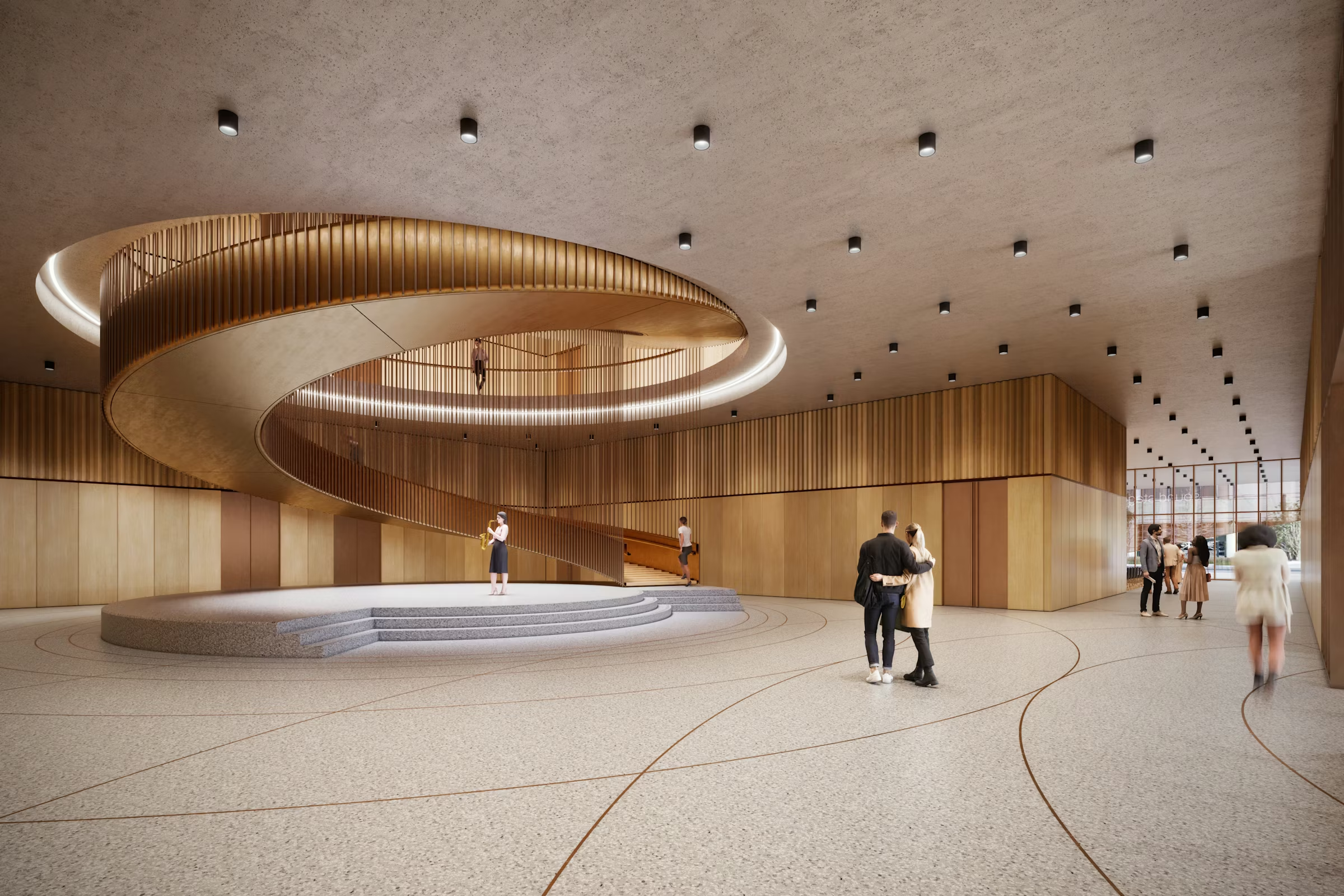
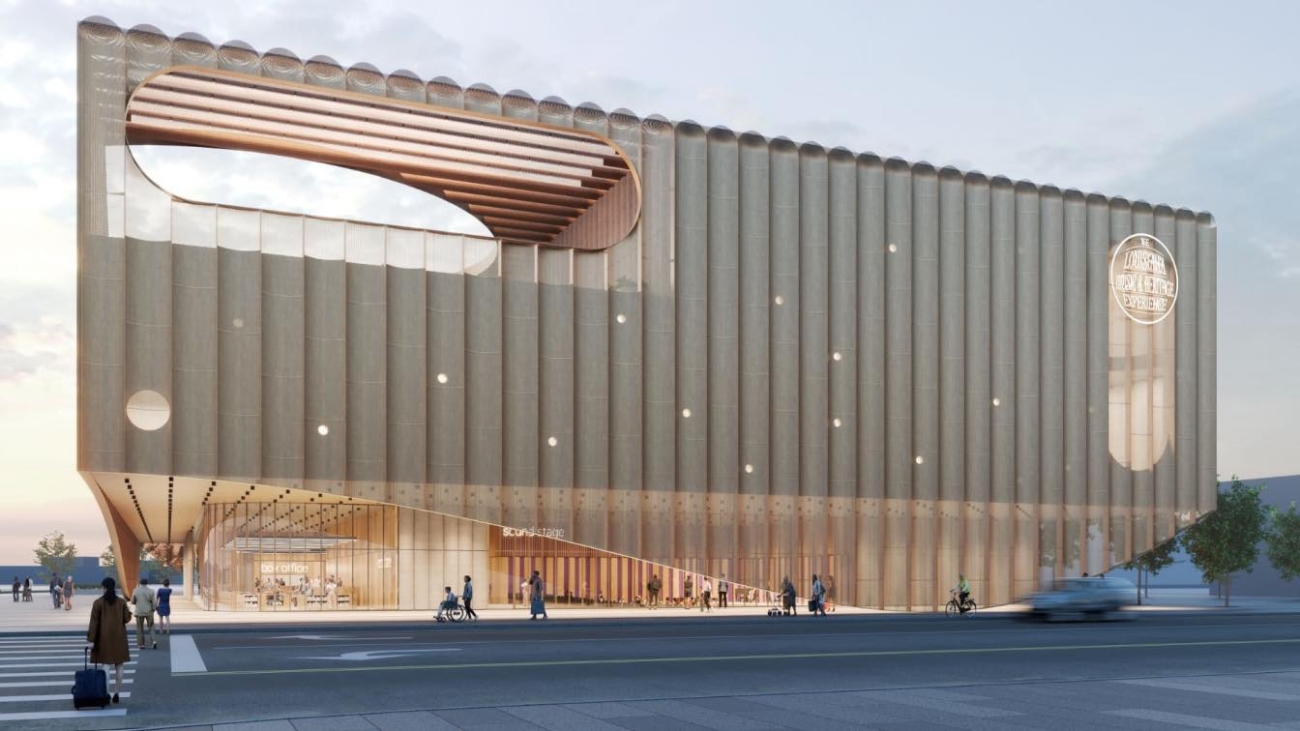
The Louisiana Music & Heritage Experience (LMHE) is set to be a visual landmark as much as a cultural one. Designed by the award-winning firm EskewDumezRipple , the building’s architecture is inspired by the curves and rhythms of musical instruments.
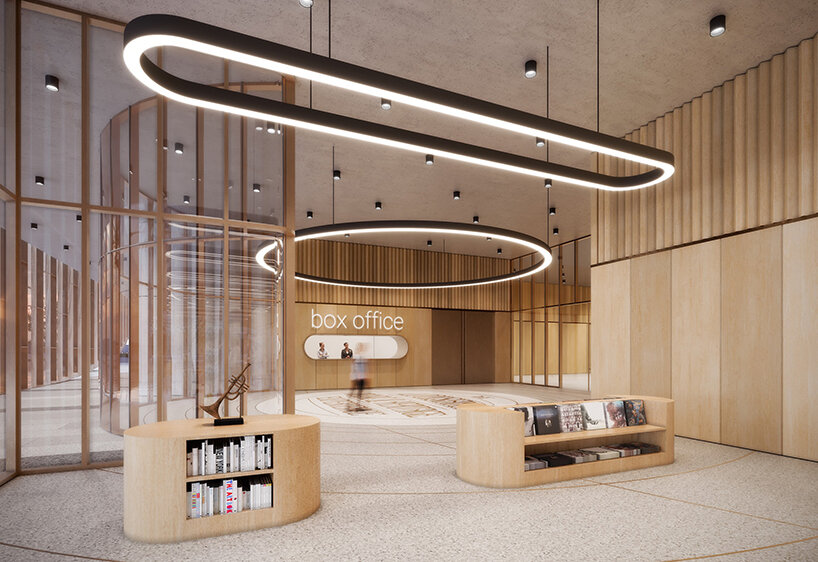
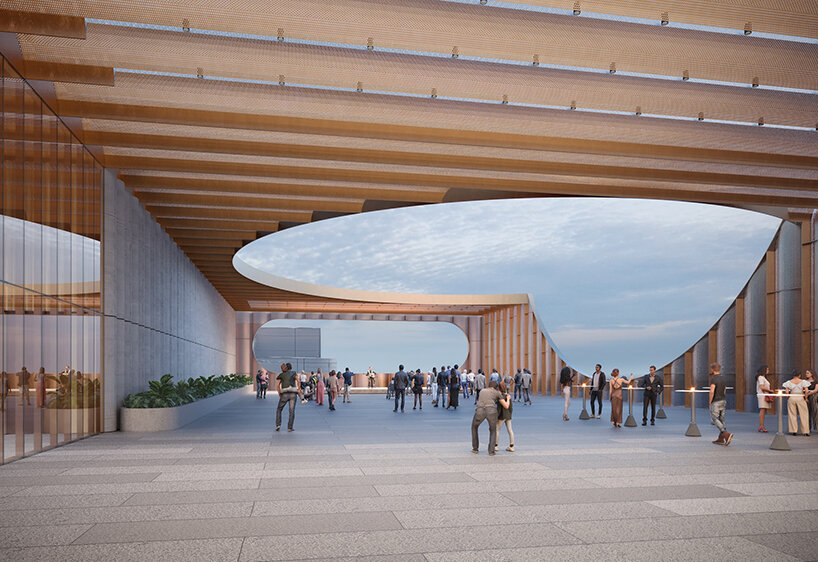
The renderings below showcase the proposed 120,000-square-foot facility, featuring its distinctive “flowing” facade and immersive interior spaces meant to host the museum’s high-tech exhibits and performance soundstage.